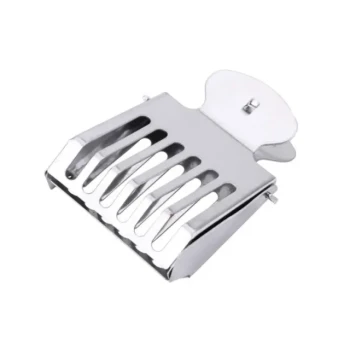
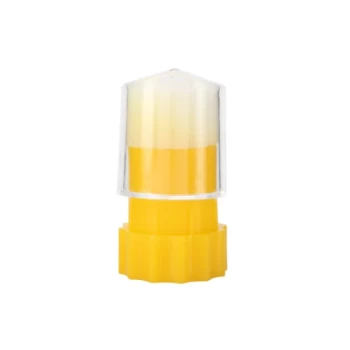
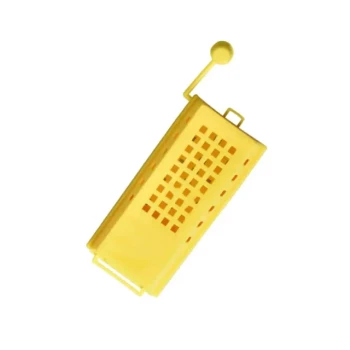
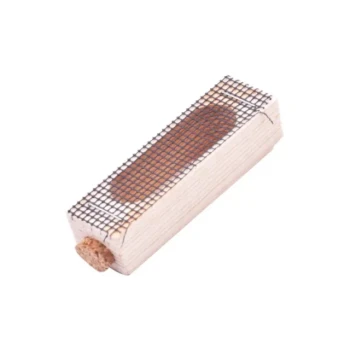
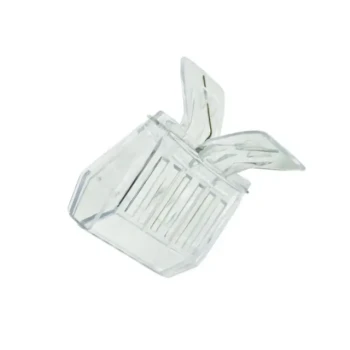
To introduce a queen bee from a bank, you must place the queen cage securely between the frames of the destination hive. This positioning allows the resident worker bees to interact with the new queen through the mesh while they gradually consume a candy plug blocking the exit. This physical barrier creates a mandatory delay, ensuring the colony acclimates to the new queen's pheromones before she is fully released.
The success of a queen introduction relies on patience rather than speed. By using a candy plug to delay her release, you allow the colony's pheromones to align with the new queen, transforming potential aggression into acceptance.
The Mechanics of Introduction
Proper Cage Placement
To maximize the chances of acceptance, the queen cage must be placed directly between the frames of the new hive.
Ideally, position the cage in the center of the brood nest. This ensures the queen stays warm and places her in direct contact with the nurse bees who are most likely to care for her.
The Candy Barrier Function
The candy plug serves as an automatic, timed release mechanism.
As the resident workers eat through the candy, they are forced to tolerate the queen's presence without being able to attack her. This gradual process reduces the risk of rejection by allowing the hive's scent to merge with the queen's scent.
Verifying Colony Acceptance
Distinguishing Feeding from Aggression
While the queen is still caged, you must monitor the behavior of the worker bees on the outside of the mesh.
A sign of acceptance is seeing workers feeding the queen through the cage mesh. Conversely, if workers are clinging tightly to the cage or biting the wires, this indicates aggression, and the queen should not yet be released.
Post-Release Confirmation
Once the workers have eaten through the plug and released the queen, the transition is not yet complete.
You must confirm that she has successfully integrated into the colony's workflow. A healthy, accepted queen typically begins laying eggs within 24 to 48 hours of release.
Common Pitfalls and Risks
The Danger of Premature Release
The most significant error in this process is releasing the queen too early.
If the candy plug is bypassed or the queen is manually released before the workers stop showing aggression, the colony will likely kill her. The acclimation period provided by the candy is a non-negotiable safety buffer.
Recognizing Failure Signs
Even after release, you must remain vigilant for signs of a failed introduction.
If you observe a significant drop in egg production, areas of the hive devoid of eggs, or physical damage to the queen’s wings or body, the introduction has likely failed. These are clear indicators that the colony is rejecting the queen or that she is unhealthy.
Making the Right Choice for Your Goal
Successful beekeeping requires adapting your monitoring based on the stage of the introduction.
- If your primary focus is Acclimation: Do not disturb the hive while the workers are eating the candy plug; allow the gradual release to happen naturally.
- If your primary focus is Productivity: Inspect the brood pattern 48 hours after release; a mix of eggs and larvae confirms the queen is established and laying.
Trust the slow pace of the candy release method, as a gradual introduction is the only way to ensure long-term colony stability.
Summary Table:
| Stage | Action | Key Success Indicator |
|---|---|---|
| Placement | Secure queen cage between brood frames | Nurse bees clustering calmly around the mesh |
| Acclimation | Allow workers to consume the candy plug | Worker bees feeding the queen through the wire |
| Release | Automatic release via candy consumption | Absence of aggressive 'balling' behavior |
| Verification | Inspect hive 48 hours post-release | Presence of new eggs and steady brood pattern |
Elevate Your Apiary's Productivity with HONESTBEE
Successful queen introduction is just the beginning of a thriving commercial operation. At HONESTBEE, we specialize in supporting commercial apiaries and distributors with a comprehensive range of professional-grade beekeeping solutions.
Whether you need precision hive-making machinery, high-efficiency honey-filling lines, or a steady supply of essential industry consumables, our portfolio is designed to scale your business. We empower our partners with the tools and hardware necessary to transform honey production into a high-performance enterprise.
Ready to optimize your wholesale supply chain?
Contact HONESTBEE Today to discover how our specialized equipment and cultural merchandise can drive your success.
Related Products
- Durable Galvanized Steel Spring Queen Bee Cage
- Portable Queen Bee Incubator with 12V Car Adapter for Safe Transport
- Professional Queen Bee Introduction and Transport Cage
- Heavy Duty Stainless Steel Queen Bee Catcher Clip
- Queen Bee Catcher Plastic Bee Marker Bottle with Piston Marking Tube
People Also Ask
- Why are specialized queen bee cages used for the banking of mated queen bees? Maximize Commercial Apiary Storage Efficiency
- What is the mechanism of action for using temporary queen bee cages? Master Successful Queen Introduction
- What is the step-by-step process for installing a queen bee's cage onto a frame? Ensure Hive Acceptance Safely
- What is the optimal placement for a queen bee cage? Essential Strategies for Successful Re-queening
- What are the advantages and disadvantages of introducing a queen bee by embedding the cage? Boost Your Queen Acceptance