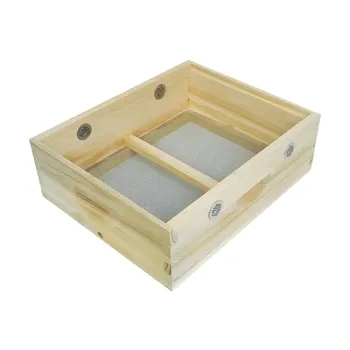
The proper winterizing protocol is to remove and protect empty honey supers, clean all woodenware, and shield occupied hive bodies from moisture and heat loss without blocking ventilation. At the end-of-season inspection, scrape excess propolis and wax, remove honey supers from the colony, and store them indoors in conditions that limit weather exposure and wax-moth damage. For the overwintering colony, use an appropriate exterior wrap or insulation system, maintain entrance and ventilation access, and complete repairs and sanitation before spring.
Honey supers should generally be removed and stored indoors, while occupied hive bodies remain protected in place. The goal is to control moisture, preserve wooden components, prevent pests and disease transmission, and ensure every box and frame is ready for the next honey flow.
Prepare the Apiary Before Winter
Complete the End-of-Season Inspection
Inspect colonies and equipment after the final honey harvest and before persistent cold weather arrives.
Check the condition of hive bodies, roofs, bottom boards, frames, entrances, and ventilation openings. Identify cracked boxes, loose joints, deteriorated paint, damaged handles, and other defects that could worsen during winter.
Scrape Propolis and Excess Wax
Use a hive tool to remove excess propolis and burr comb from frames, hive bodies, rails, and contact surfaces.
This prevents wooden components from binding together during cold-weather manipulation and makes spring inspections faster and less stressful for the colony.
Separate Equipment by Condition
Divide equipment into three groups:
- Equipment remaining with live colonies
- Empty supers and frames requiring storage
- Damaged or contaminated equipment requiring repair or sanitation
This separation is particularly important for commercial operations managing multiple apiaries, because it reduces accidental movement of pests, pathogens, and defective equipment through the inventory.
Store Honey Supers Correctly
Remove Empty Honey Supers
The top honey supers should be removed once they are no longer required by the colony.
Leaving empty supers exposed to rain, snow, and freezing conditions accelerates weather damage to the wood. Empty drawn comb is also vulnerable to destructive wax-moth infestations.
Store Supers Indoors
Store honey supers and their frames in a dry indoor location protected from direct weather exposure.
Keep the storage area orderly and maintain clear identification by apiary, colony, and equipment status. This supports faster order fulfillment and reduces the risk of returning unverified equipment to healthy colonies.
Protect Drawn Comb from Wax Moths
Empty comb requires particular attention because wax moths are attracted to unprotected, unused comb.
Use a storage and treatment method appropriate to the operation’s equipment, local conditions, and product instructions. Comb frames and fabric warming cushions may be sterilized with acetic acid vapor, but treatment must be performed according to the applicable safety requirements and with adequate ventilation.
Avoid Storing Wet or Unverified Equipment
Do not place damp, visibly contaminated, or uninspected components directly into general inventory.
Dry and evaluate equipment first. Equipment from dead colonies may be reusable when mortality resulted from non-infectious causes such as starvation or mite-related stress, but equipment associated with contagious disease requires thorough disinfection before reuse.
Protect Occupied Wooden Hive Bodies
Choose a Weather-Protection Method
The primary reference identifies two practical approaches for occupied hive bodies:
- Dark roofing felt or tar paper, which protects the wood and absorbs solar heat during clear winter days.
- Foam insulation boards, which reduce heat loss around the hive.
The most suitable method depends on climate, hive design, ventilation requirements, and the operator’s ability to inspect and maintain the equipment throughout winter.
Wrap the Hive Exterior
If using tar paper or roofing felt, wrap the exterior of the hive securely while leaving the hive entrance and required ventilation openings unobstructed.
The covering should shield the woodenware from rain, ice, and snow without sealing the colony into an airtight enclosure. A double layer of tar paper over the roof, properly weighted or secured, provides additional protection against moisture deterioration.
Preserve Ventilation and Entrance Access
Winter protection must not block the entrance, ventilation holes, or other designed moisture-control features.
The objective is to reduce exposure and heat loss—not to trap condensation inside the hive. Any insulation or wrapping system should be checked after installation to confirm that openings remain functional.
Protect Exposed Wood Before Winter
Before equipment is placed into service, exposed exterior wood should receive an appropriate exterior primer and paint system.
Prime and paint only the outside surfaces of hive components. Interior surfaces, where bees live, should not be coated with exterior paint or primer.
Use Winter Downtime for Equipment Rotation
Move Colonies Into Serviceable Boxes
A yearly rotation schedule can allow colonies to occupy alternative hive bodies during winter while older woodenware is removed for indoor maintenance.
This approach is especially useful for commercial operators because it turns winter downtime into a planned refurbishment cycle rather than an emergency repair period before the next honey flow.
Clean, Scorch, and Repair Removed Boxes
Older wooden hive bodies can be cleaned, structurally repaired, and, where appropriate, treated with controlled thermal sanitation.
The reference recommends flame-torch treatment for heavy-duty wooden hive bodies, metal frames, and hand hive tools to clear accumulated propolis or residue. Thermal treatment must be controlled carefully to avoid charring, weakening joints, damaging hardware, or creating a fire hazard.
Prepare Equipment for Spring Installation
By the end of winter maintenance, each component should be:
- Structurally sound
- Clean and dry
- Properly painted on exterior surfaces
- Free of excessive propolis and wax
- Correctly identified and stored
- Cleared for reuse or isolated for further treatment
A standardized inspection checklist helps wholesalers, distributors, and large apiaries maintain consistent equipment quality across locations.
Sanitize Equipment According to Risk
Handle Non-Infectious Colony Losses Separately
Equipment from colonies lost to starvation or mite-induced stress may be reused after inspection and appropriate cleaning.
Do not assume that every dead colony represents a disease risk, but do not return the equipment to active inventory without recording the suspected cause of loss.
Treat Contagious Disease as a Separate Category
Equipment exposed to contagious pathogens or viral disease must be thoroughly disinfected using appropriate sanitation and sterilization procedures before it is introduced to healthy colonies.
When the cause of mortality is uncertain, quarantine the equipment until it can be assessed and treated. Mixing unverified components with clean stock creates an avoidable risk of disease transmission between colonies and apiary locations.
Match Treatment to the Material
Use acetic acid vapor for suitable comb frames and fabric warming cushions, following required handling precautions.
Use controlled thermal sanitation for appropriate heavy-duty wooden components, metal frames, and hive tools. Do not apply a treatment merely because it is available; select it based on the material, contamination risk, and risk of damage.
Understanding the Trade-offs
Tar Paper Versus Foam Insulation
Tar paper is relatively simple, durable, and useful for protecting wood from precipitation while absorbing solar radiation.
Foam insulation can reduce heat loss more effectively in some conditions, but it requires careful installation so that entrances, ventilation, inspections, and equipment handling are not obstructed.
Indoor Storage Versus On-Site Storage
Indoor storage provides superior protection against weather damage and makes inspection, cleaning, and inventory control easier.
However, it requires sufficient dry storage capacity and a disciplined system for separating clean, treated, contaminated, and repair-pending equipment.
Thermal Sanitation Versus Component Damage
Flame treatment can remove residue and sanitize suitable surfaces efficiently.
Excessive heat can scorch wood, damage joints, weaken components, and create a fire hazard. Thermal sanitation should therefore be controlled, deliberate, and limited to appropriate equipment.
Reuse Versus Replacement
Reusing equipment from non-infectious colony losses can reduce replacement costs and preserve useful comb and woodenware.
Replacement is the safer choice when components are structurally unsound, heavily deteriorated, or associated with contamination that cannot be reliably eliminated.
Common Winterizing Mistakes to Avoid
Leaving Empty Supers Outdoors
Empty supers left exposed to rain and snow deteriorate faster, while unprotected drawn comb can suffer wax-moth damage.
Remove supers from the colony and move them into a controlled storage process after the final inspection.
Sealing the Hive Too Tightly
Wrapping that blocks entrances or ventilation can interfere with colony regulation and moisture control.
Install protection around the hive rather than over its functional openings.
Painting Interior Surfaces
Interior paint or primer can expose bees to an unsuitable coating environment and is not part of the recommended woodenware protection method.
Paint exposed exterior surfaces only.
Returning Unverified Equipment to Stock
Equipment should not be moved directly from a dead or diseased colony into a healthy colony or general warehouse inventory.
Label, isolate, inspect, clean, and sanitize it according to the suspected risk before reuse.
Making the Right Choice for Your Goal
The most reliable winterization program combines seasonal inspection, indoor super storage, exterior hive protection, planned equipment rotation, and risk-based sanitation.
- If your primary focus is colony survival: Protect occupied hive bodies from precipitation and heat loss while keeping entrances and ventilation openings clear.
- If your primary focus is woodenware longevity: Remove excess propolis, repair damaged boxes, and protect exterior surfaces with suitable primer and paint before service.
- If your primary focus is honey-super preservation: Remove supers from the colony and store them indoors under a system that limits weather damage and wax-moth risk.
- If your primary focus is disease prevention: Separate equipment by colony history and thoroughly sanitize components associated with contagious pathogens before reuse.
- If your primary focus is commercial efficiency: Use a yearly rotation schedule, standardized inspection records, and dependable access to replacement boxes, frames, insulation, paint, and sanitation supplies.
A disciplined winterizing protocol protects colonies, extends equipment life, and keeps the operation ready for the next production season.
Summary Table:
| Equipment | Action | Storage | Protection |
|---|---|---|---|
| Honey supers | Remove from colony after harvest | Indoors, dry, protected from pests | Use acetic acid vapor for comb frames |
| Occupied hive bodies | Protect in place | N/A | Wrap with tar paper or foam insulation; keep ventilation open |
| Empty boxes/frames | Clean, repair, sanitize | Indoors, labeled | Paint exterior surfaces; avoid painting interior |
| Contaminated equipment | Sanitize or replace | Quarantine if uncertain | Use thermal sanitation for heavy-duty items |
Ready to winterize your apiary effectively? At HONESTBEE, we supply the full spectrum of beekeeping tools, machinery, and equipment, including hive-making machines, honey-filling lines, and essential industry consumables. Our one-stop sourcing, rapid response, and dedicated service ensure you have the right supplies for seasonal maintenance and beyond. Contact us today to discuss your wholesale needs and discover how our premium trading services can keep your operation running smoothly year-round.
Related Products
- Wooden Bee Hive Frames for Beekeeping and Wholesale
- HONESTBEE Wired and Assembled Wooden Bee Frames Foundation for a Thriving Hive
- Wholesales Dadant Size Wooden Bee Hives for Beekeeping
- Assembled Wooden Bee Frames with Plastic Foundation for Durability and Convenience by HONESTBEE
- Solid Bottom Board Australian Pine Wood Langstroth Bottom Board for Wholesale
People Also Ask
- How do wooden and plastic hive frames compare in terms of durability? Wood vs. Plastic Longevity & Repairability
- How does balancing the number of frames impact hive productivity? Optimize Your Apiary's Biological Output
- What are the main considerations when choosing between wooden and plastic bee hive frames? Optimize Your Apiary's Efficiency
- How should beehive frames be maintained to prolong their lifespan? 5 Pro Tips for Durable Beekeeping Equipment
- What is the primary function of frames within a beehive system? Structural Foundation and Hive Management