Spring maintenance is fundamentally about bio-security. It serves to eliminate pathogens and molds that have accumulated inside the hive during the winter months. By thoroughly cleaning the interior and disinfecting frames, you establish a hygienic environment that acts as a physical barrier against disease spread, directly protecting developing larvae.
The primary goal of spring maintenance is to disrupt the life cycle of overwintering threats. By eliminating organic waste and disinfecting surfaces, you actively prevent disease transmission and secure a healthy space for the colony to rear its brood.
Eliminating Biological Threats
Breaking the Disease Cycle
Winter conditions often lead to the accumulation of pathogens and molds within the hive.
Thorough cleaning removes these microscopic threats before the colony expands. This process creates a critical physical barrier that prevents diseases from infecting new brood.
Removing Pest Breeding Grounds
Debris typically collects on the hive's bottom boards and in crevices during the colder months.
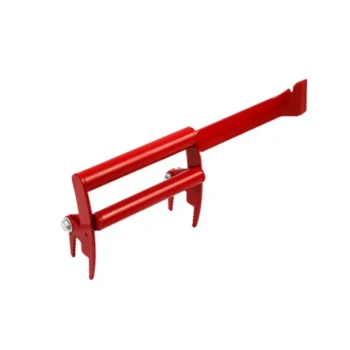
This organic waste creates an ideal breeding ground for pests, such as wax moths. Using specialized scrapers to remove this debris disrupts the life cycle of these pests and sanitizes the hive interior.
Optimizing the Physical Environment
Ensuring Larval Health
The cleanliness of the hive directly impacts the development of bee larvae.
A disinfected environment allows the colony to focus on brood rearing rather than fighting off infections. This ensures the population can grow rapidly and healthily in the spring.
Reducing Residue Accumulation
Old hive frames and foundations can harbor not only biological pathogens but also chemical residues.
Periodically replacing these components is a vital bio-security measure. It significantly reduces the colony's exposure to harmful substances that build up over time.
The Operational Trade-offs
Cleaning vs. Replacement
While cleaning preserves existing equipment, there is a limit to how effective surface disinfection can be on old wax.
Wax foundations act as molds for honeycomb construction; if they are too degraded, they compromise the space available for egg-laying. The trade-off often favors replacing old frames entirely to ensure maximum hygiene.
Energy Efficiency and Output
Reusing old frames may save money on materials, but it can cost the colony energy.
Using high-purity new wax foundations encourages bees to build combs quickly. This reduces the energy bees waste secreting wax—a process that consumes honey—thereby indirectly increasing your overall honey output.
Making the Right Choice for Your Goal
To maximize the effectiveness of your spring maintenance, align your actions with your specific objectives for the season.
- If your primary focus is Colony Health: Prioritize the thorough scraping of bottom boards and crevices to remove all organic debris that supports wax moths and pathogens.
- If your primary focus is Honey Production: Replace old frames with high-quality new wax foundations to reduce the energy bees spend on comb building and increase storage efficiency.
A clean hive is not just about aesthetics; it is the foundational step for a productive and disease-free season.
Summary Table:
| Maintenance Action | Primary Goal | Key Benefit |
|---|---|---|
| Interior Scraping | Remove organic debris | Disrupts pest cycles (e.g., wax moths) |
| Frame Disinfection | Eliminate pathogens | Creates a physical barrier against disease |
| Wax Foundation Replacement | Reduce chemical residue | Improves larval health and comb-building speed |
| Bottom Board Cleaning | Sanitize environment | Prevents mold accumulation from winter moisture |
Scale Your Apiary Success with HONESTBEE
Maintaining bio-security is the foundation of a profitable beekeeping operation. At HONESTBEE, we specialize in supporting commercial apiaries and distributors with the heavy-duty tools and high-quality consumables needed to maintain a hygienic environment. From hive-making machinery and honey-filling stations to high-purity wax foundations and essential beekeeping hardware, our comprehensive wholesale portfolio ensures your business has the competitive edge.
Ready to upgrade your inventory or equip your commercial operation for peak season?
Contact our team today to discuss wholesale solutions and discover how our expertise in beekeeping equipment can drive your honey production and colony health forward.
References
- Anarbayeva Gulsara Dilshod qizi Kuchiyev Ohunjon Razoqovich. ORGANIZATION OF SPRING SERVICE AND FEEDING TECHNOLOGY FOR THE BEE FAMILY. DOI: 10.5281/zenodo.6818562
This article is also based on technical information from HonestBee Knowledge Base .
Related Products
- Wooden Bee Hive Frames for Beekeeping and Wholesale
- Plastic Bee Frame Beekeeping Hive Frames for Wholesale
- Professional Galvanized Steel Frame Rest for Beehives
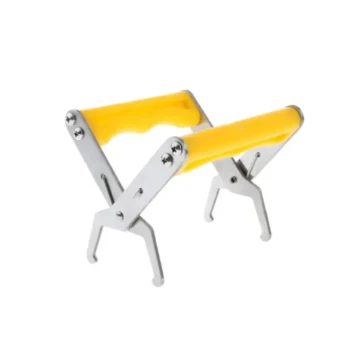
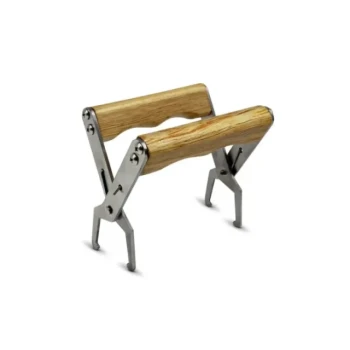
- Ergonomic High Visibility Plastic Frame Grip Handles
- Precision Stainless Steel Frame Cleaner for Hive Grooves and Corners
People Also Ask
- How does balancing the number of frames impact hive productivity? Optimize Your Apiary's Biological Output
- How do wooden and plastic hive frames compare in terms of durability? Wood vs. Plastic Longevity & Repairability
- What are the main considerations when choosing between wooden and plastic bee hive frames? Optimize Your Apiary's Efficiency
- How should beehive frames be maintained to prolong their lifespan? 5 Pro Tips for Durable Beekeeping Equipment
- What are frames and combs used for in beekeeping? The Foundation of Modern Hive Management