The primary purpose of installing pollen traps with specific capture efficiencies at the entrance of modern beehives is to systematically collect representative pollen samples without compromising the health of the colony. By using a controlled capture rate, such as 16%, researchers can intercept fresh pollen loads to accurately identify plant species and track seasonal resource utilization while ensuring the hive retains enough food for normal development.
By regulating the capture efficiency, these devices strike a critical balance between rigorous scientific data collection and sustainable beekeeping. They allow for the precise monitoring of local flora and foraging behavior without starving the colony or altering its natural growth patterns.
The Mechanics of Sample Integrity
Collecting Fresh Genetic Material
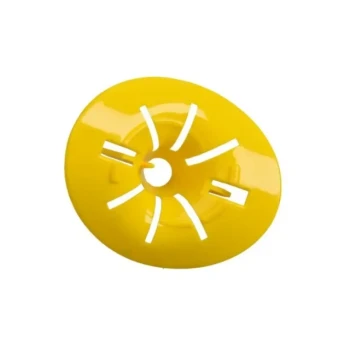
Pollen traps installed at the entrance serve as a mechanical filter for returning foragers. As bees pass through the trap grid, the pollen pellets on their hind legs are gently dislodged and fall into a collection container.
Avoiding Sample Degradation
This entrance-based method captures the pollen immediately, before it enters the hive environment. This is crucial because it prevents the pollen from being processed into "bee bread," which can lead to degradation or cross-contamination.
Ensuring High Temporal Resolution
Because the samples are collected in real-time as bees return, researchers gain a high-resolution timeline of foraging activity. This allows for precise correlation between specific dates and the blooming cycles of surrounding vegetation.
Balancing Efficiency with Colony Health
The "Specific Efficiency" Principle
The capture efficiency—often calibrated around 16%—is not arbitrary; it is a calculated threshold. It ensures that a statistically significant amount of pollen is harvested for analysis while the vast majority remains with the bees.
Preventing Developmental Hindrance
If a trap captures too much pollen, it risks starving the brood and weakening the colony. A specific, lower capture efficiency allows the colony to maintain its standard developmental trajectory despite the intervention.
Analytical Outcomes of the Survey
Accurate Species Identification
By analyzing the intercepted pellets, researchers can determine exactly which plant species the bees are preferring at any given time. This provides definitive data on the botanical diversity supporting the apiary.
Tracking Resource Utilization
Long-term use of these traps enables the mapping of resource availability across different seasons. This data reveals shifts in foraging behavior as the local flora changes from spring through autumn.
Understanding the Trade-offs
Sampling Granularity vs. Colony Stress
While higher capture rates might yield larger sample sizes, they invariably place higher stress on the colony's nutritional reserves. The specific efficiency selected is always a compromise between data volume and hive safety.
Maintenance Requirements
Traps are not "set and forget" devices; the grid can physically alter the entrance dynamic. Regular monitoring is required to ensure the grid does not become blocked or damage the bees during ingress.
Optimizing Your Survey Strategy
To effectively utilize pollen traps in your botanical surveys, align your equipment choice with your specific research goals:
- If your primary focus is Colony Sustainability: Select traps with lower capture efficiencies (around 16%) to ensure the hive continues to develop without supplemental feeding.
- If your primary focus is Data Accuracy: Rely on entrance-based traps rather than in-hive sampling to ensure you are analyzing fresh, uncontaminated pollen loads.
The successful use of pollen traps relies on prioritizing the quality of the sample over the quantity, ensuring you gain botanical insights without disrupting the biological sampler.
Summary Table:
| Feature | Specific Efficiency Traps (e.g., 16%) | High-Efficiency/Total Traps |
|---|---|---|
| Primary Goal | Balanced data collection & hive health | Maximizing pollen harvest |
| Sample Quality | Fresh, uncontaminated pellets | Varies; potential for storage degradation |
| Colony Impact | Minimal; maintains normal brood development | High; requires supplemental feeding |
| Usage | Scientific botanical surveys & monitoring | Commercial pollen production |
| Data Accuracy | High temporal resolution of flora | Large volume, lower resolution |
Elevate Your Beekeeping Operations with HONESTBEE
At HONESTBEE, we specialize in supporting commercial apiaries and distributors with high-performance beekeeping tools and machinery. Whether you are conducting botanical surveys or scaling up honey production, our comprehensive wholesale portfolio has you covered. From precision-engineered pollen traps and hive-making machines to honey-filling equipment and essential consumables, we provide the industrial-grade solutions you need to thrive.
Ready to optimize your apiary’s efficiency? Contact us today to discover how our expert supplies and honey-themed merchandise can add value to your business.
References
- Tura Bareke, Admassu Addi. Bee flora diversity in different vegetation communities of Gesha-Sayilem forest in Kaffa Zone, south-western Ethiopia. DOI: 10.22271/2582-3744.2020.dec.138
This article is also based on technical information from HonestBee Knowledge Base .
Related Products
- Removable Plastic Pollen Trap With Ventilated Tray for Bees Pollen Collector
- 30 cm Plastic Entrance Hole Bee Pollen Trap and Collector
- Plastic Bee Pollen Trap Strips Comb Catcher Collector
- 8 Frame and 10 Frame Propolis Trap Collector Screen for Propolis Collection
- Professional Bucket Style Wasp and Moth Pheromone Trap
People Also Ask
- What are the design principles and advantages of pollen traps in the collection of bee pollen? Boost Your Apiary Yield
- What is the function of professional pollen traps in evaluating honey plants? Quantifying Pollination and Crop Potential
- What functions do pollen traps serve for bee bread production? Optimize Your Raw Material Collection
- What maintenance and pest prevention measures should be taken for pollen traps? Protect Your Hive and Harvest Quality
- How does the use of pollen traps in honeybee hives enhance crop fertilization? Boost Your Yield Through Induced Activity