The primary purpose of the partial harvesting technique is to maintain the biological and social stability of the honeybee colony by strictly limiting extraction to mature honey combs. By deliberately preserving brood combs—where eggs and larvae develop—this method minimizes physical disturbance and hive damage, effectively preventing the colony from abandoning the hive (absconding) in response to stress.
By distinguishing between resource storage and the colony's nursery, partial harvesting safeguards the hive's long-term survival while simultaneously ensuring the chemical purity of the final honey product.
Preserving Colony Health and Stability
Preventing Colony Absconding
The most critical function of partial harvesting is the prevention of colony loss. When a hive is harvested indiscriminately, the destruction of brood combs signals a catastrophic event to the bees.
This damage often triggers a defense mechanism where the colony abandons the location entirely. Partial harvesting mitigates this risk by keeping the reproductive center of the hive intact.
Maintaining Social Structure
Honeybee colonies rely on a complex social hierarchy and strictly defined zones within the hive.
Disrupting the brood area creates chaos in the colony's social organization. Preserving these combs ensures the workforce remains focused on foraging and ecological restoration rather than emergency hive repair.
Ensuring Long-Term Productivity
A stable colony is a productive colony.
By avoiding the boom-and-bust cycle of total destruction and rebuilding, the colony maintains a continuous role in local ecology. This ensures consistent honey production cycles rather than requiring a restart after every harvest.
Impact on Honey Quality and Composition
Optimizing Chemical Profiles
Beyond colony health, separating honey combs from brood combs has a measurable impact on the chemical makeup of the harvest.
Extracting mixed combs can alter critical sugar proportions. Specifically, it risks increasing sucrose levels and reducing the ratio of reducing sugars, which can cause the honey to fail regulatory standards.
Reducing Non-Nectar Contaminants
Brood combs serve different biological functions than honey storage combs.
Including brood combs in the extraction process introduces excessive pollen density and other non-nectar substances into the mix. Using equipment designed to isolate honey combs improves the "quality pass rate," ensuring compliance with strict standards such as Egypt standard ES: 355-1 / 2005.
Understanding the Trade-offs
Equipment and Processing Requirements
Implementing partial harvesting is not merely a change in intent; it is a change in infrastructure.
It requires specific processing equipment capable of extracting honey without damaging the comb structure or inadvertently crushing brood cells. This may require an initial investment in specialized extractors or modifying hive management practices.
Operational Precision
This method demands a higher level of skill from the beekeeper.
Operators must be able to accurately identify comb types and handle hives with greater care than is required for total harvesting. Speed is often sacrificed for precision to ensure the brood nest remains undisturbed.
Aligning Harvesting Strategy with Your Goals
The choice to adopt partial harvesting depends on your specific objectives regarding sustainability and market positioning.
- If your primary focus is Colony Sustainability: Prioritize partial harvesting to minimize absconding rates and ensure the colony remains an active agent in ecological restoration.
- If your primary focus is Market Compliance: Use this technique to control sucrose levels and pollen density, ensuring your product meets rigorous international quality standards.
Partial harvesting represents a shift from resource exploitation to resource stewardship, yielding a higher quality product from a healthier, more resilient source.
Summary Table:
| Feature | Partial Harvesting | Total Harvesting |
|---|---|---|
| Primary Focus | Colony sustainability & purity | Maximum immediate yield |
| Brood Comb Status | Preserved and protected | Often destroyed or removed |
| Absconding Risk | Significantly reduced | High risk due to hive stress |
| Honey Quality | High (low pollen/sucrose) | Variable (high contaminants) |
| Impact on Colony | Long-term social stability | High disruption & repair needs |
Elevate Your Apiary with Sustainable Solutions
At HONESTBEE, we understand that commercial beekeeping success relies on the delicate balance between high-yield production and colony health. As a specialized partner for commercial apiaries and distributors, we provide the industrial-grade machinery and precision tools required to implement advanced techniques like partial harvesting.
Our value to your business:
- Specialized Machinery: From honey-filling machines to gentle extractors that preserve comb integrity.
- Wholesale Efficiency: A comprehensive range of beekeeping tools and essential consumables tailored for large-scale operations.
- Market Compliance: Equipment designed to help you meet international quality standards (like ES: 355-1) by ensuring chemical purity.
Ready to optimize your honey production and safeguard your colonies? Contact HONESTBEE today to explore our wholesale equipment portfolio.
References
- Muneer Ahmad Sofi, S.S. Pathania. Traditional beekeeping for the restoration of degraded Agro ecosystem under Himalayan conditions of Jammu and Kashmir. DOI: 10.15740/has/ijfci/8.1/78-85
This article is also based on technical information from HonestBee Knowledge Base .
Related Products
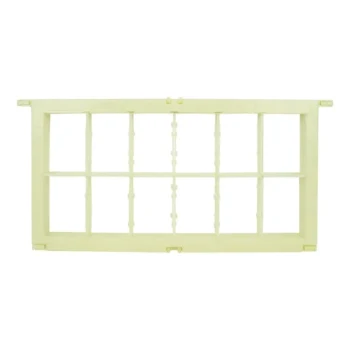
- Professional Sectional Comb Honey Frame with 250g Cassette System for Beekeeping
- Professional Wide Blade Honey Scraper for Beekeeping and Honey Processing
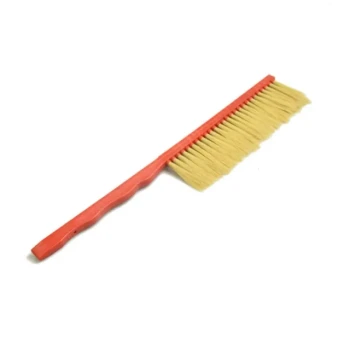
- Plastic Handle Single Row Artificial Fiber Bee Brush
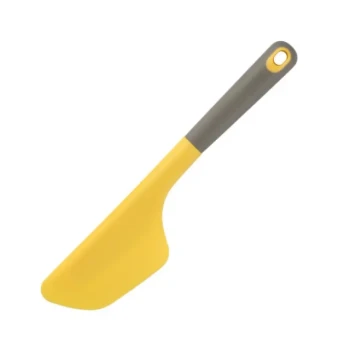
- Professional Long-Handled Silicone Honey Scraper for Beekeeping
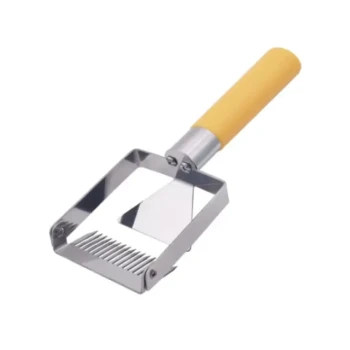
- Stainless Steel Pivoting Honey Uncapping Fork with Plastic Handle
People Also Ask
- How are honeybee combs utilized for non-destructive colony monitoring? Master Population Density Tracking
- What is the technical purpose of exchanging honeycomb frames? Master Apiary Equalization for Growth
- What frame to use for honeycomb? Choose the Right System for Pure, Edible Comb
- What is a honeycomb frame? The Key to Modern, Sustainable Beekeeping
- What are the recommended temperature and duration settings for freezing honey frames? Ensure Pest-Free Comb Storage