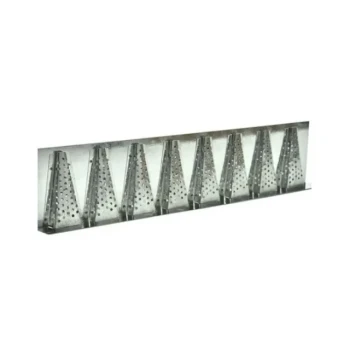
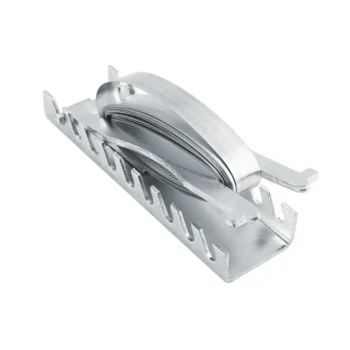
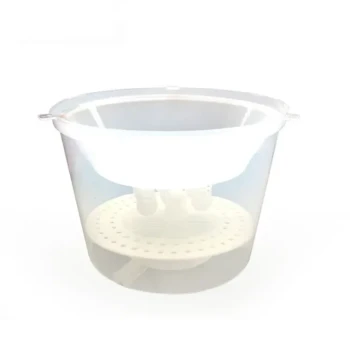
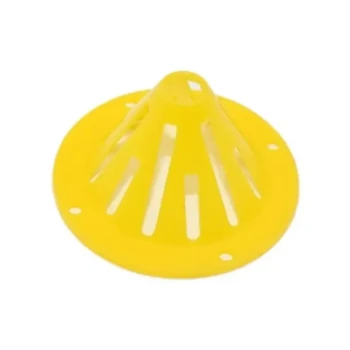
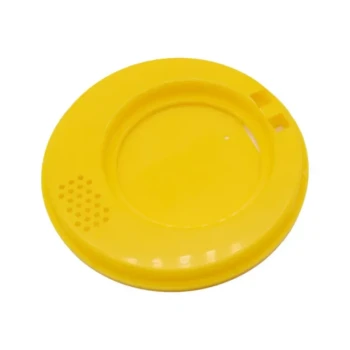
The primary purpose of using a trapping device at the hive entrance is to guarantee sample homogeneity. By physically intercepting bees as they return to the hive, researchers specifically target adult foragers, who are typically around 20 days old. This isolation eliminates the variables associated with mixed-age populations found inside the hive, providing a standardized baseline for toxicity experiments.
The core objective is to reduce data noise. By filtering for a specific age and caste (returning foragers), researchers minimize physiological and genetic fluctuations, ensuring that results in toxicity tests—such as Median Lethal Dose (LD50)—reflect the toxin's effect rather than the sample's biological inconsistency.
The Critical Role of Sample Homogeneity
Targeting a Specific Demographic
In a honeybee colony, age determines role. Bees inside the hive range from newly emerged workers to nurse bees and guards.
By placing a trap at the entrance, researchers filter out these younger internal bees. They capture only the active foragers returning from the field, which represents a distinct, age-specific cohort (approximately 20 days old).
Reducing Physiological Noise
Biological variation is the enemy of precise data. If a sample includes bees of vastly different ages, their metabolic rates and susceptibility to toxins will differ naturally.
Trapping ensures that every bee in the test group shares a similar physiological maturity. This reduces fluctuations in biological indicators that are caused solely by age differences or genetic variance.
Implications for Toxicity Testing
Stabilizing LD50 Assessments
Standardized toxicity tests, such as determining the Median Lethal Dose (LD50), require a consistent baseline.
If the test subjects have different natural resistance levels due to age, the resulting LD50 data will be erratic and unreliable. The trapping device provides the uniform sample pool necessary to calculate these dosage thresholds accurately.
Isolating External Exposure
Foragers are the segment of the colony most likely to encounter pesticides in the field.
Collecting these bees specifically allows researchers to assess the health of the workforce that is actively bridging the gap between the external environment and the colony.
Understanding the Trade-offs
Representation Limits
While trapping ensures a consistent sample, it creates a narrow dataset.
By focusing exclusively on older foragers, the data may not reflect how the same toxin affects younger nurse bees or the queen, who have different physiological profiles.
Scope of Homogeneity
It is important to remember that trapping controls for age and role, but not necessarily for colony-level health.
While it standardizes the sample, it does not account for pre-existing stressors the colony may face, such as nutrition deficits, unless specific dietary controls (like pollen traps for feeding) are also employed.
Making the Right Choice for Your Goal
To ensure your experimental design yields valid results, align your collection method with your specific data requirements.
- If your primary focus is Standardized Toxicity Data (LD50): Use entrance traps to collect returning foragers, ensuring high repeatability and minimal age-related noise in your mortality statistics.
- If your primary focus is Colony-Wide Impact: Supplement trap collection with internal sampling to compare toxicity effects across different castes (nurses vs. foragers).
Reliable science begins with a controlled variable; entrance trapping turns the complex honeybee colony into a standardized test subject.
Summary Table:
| Feature | Description | Benefit for Research |
|---|---|---|
| Target Cohort | Adult returning foragers (~20 days old) | Ensures a standardized age-specific sample |
| Data Precision | Minimizes physiological & metabolic variance | Reduces noise in mortality statistics (LD50) |
| Demographic Filter | Excludes nurse bees, guards, and drones | Isolates the segment most exposed to pesticides |
| Consistency | Uniform metabolic baseline | Enhances repeatability across different trials |
Elevate Your Beekeeping Operations with HONESTBEE
At HONESTBEE, we understand that precision in the field leads to success in the market. Whether you are a commercial apiary conducting essential health monitoring or a distributor seeking high-quality equipment, we provide the comprehensive wholesale solutions you need.
From specialized trapping devices and hive-making machinery to professional-grade honey-filling equipment and essential industry consumables, our portfolio is designed to optimize every stage of your honey production and research.
Ready to scale your business with industry-leading tools?
Contact HONESTBEE Today to discuss our full spectrum of beekeeping hardware and cultural merchandise. Let us help you achieve superior consistency and efficiency in your apiary management.
References
- Juliana Sartori Lunardi, Ricardo de Oliveira Orsi. Evaluation of Motor Changes and Toxicity of Insecticides Fipronil and Imidacloprid in Africanized Honey Bees (Hymenoptera: Apidae). DOI: 10.13102/sociobiology.v64i1.1190
This article is also based on technical information from HonestBee Knowledge Base .
Related Products
- Beehive Entrance Reducer Guardian Metal Hive Entrance for Bees
- Multi-Functional Sliding Hive Entrance for Beekeeping
- 8-Cone Galvanized Steel Bee Robber Guard
- Steel Round Disc Entrance Reducer for Flexzion Bee Hive Nuc Box Gate
- Professional Reversible Beehive Hive Entrance
People Also Ask
- Why are entrance reducers used to counter hornet infestations? Protect Your Hive with Strategic Choke Points
- What is the purpose of an entrance reducer for a beehive? Strengthen Colony Defense and Prevent Robbery
- What are the proper guidelines for using hive entrance reducers? Master Temperature Control & Colony Defense
- Why is it critical to maintain a smaller entrance for a newly established bee hive? Boost Colony Growth and Security
- What is the physical mechanism behind the use of hive entrance reducers? Protect Your Bees from Vespa velutina