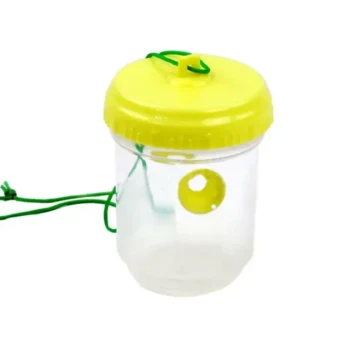
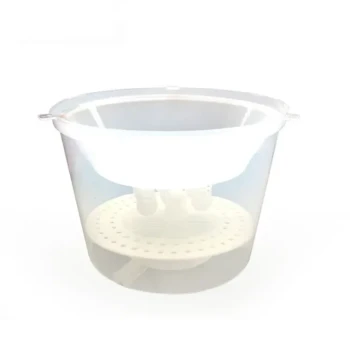
The primary purpose of baited pole traps is to serve as a defensive perimeter system that intercepts Small Hive Beetles before they infiltrate your hives. By utilizing chemical attractants like fermented honey, pollen, or yeast, these traps lure adult beetles away from colonies, allowing you to monitor invasion trends and reduce incoming pest pressure.
Core Takeaway: Baited pole traps function as an apiary's "early warning system" and first line of defense. They are designed to intercept migrating beetles at the property edge, preventing them from ever reaching the honeybee colonies while providing critical data on local pest population surges.
The Strategy Behind Perimeter Trapping
Interception Before Infestation
The most effective way to manage Small Hive Beetles is to prevent them from entering the hive in the first place.
Baited pole traps are positioned specifically around the perimeter of the apiary.
This placement creates a buffer zone, attempting to catch adult beetles as they arrive from the wild, rather than dealing with them after they have established themselves inside the colony.
Monitoring Invasion Trends
Beyond physical removal, these traps act as a diagnostic tool.
By checking the traps regularly, beekeepers can identify specific invasion trends.
A sudden spike in the number of beetles caught in the perimeter traps signals a migration event, alerting the beekeeper to increase vigilance or deploy additional defenses within the hives.
Utilizing Chemical Attractants
The traps rely on specific scents that mimic the smells of a working hive.
The primary reference notes the use of fermented honey, pollen, or yeast mixtures.
These substances act as powerful chemical attractants, luring beetles toward the trap mechanism and away from the live bees.
Understanding the Scope and Limitations
Seasonal Specificity
These traps are not necessarily a year-round "set and forget" solution.
They are most effective when deployed during beetle migration seasons.
Understanding the seasonal behavior of beetles in your specific region is required to time the deployment of these traps correctly.
External vs. Internal Control
It is critical to distinguish between perimeter defense and internal hive management.
These traps are designed to catch beetles before they enter the colony.
They do not address beetles that have already bypassed the perimeter and are reproducing inside the hive; they must be viewed as a preventative measure, not a cure for active infestation.
Making the Right Choice for Your Goal
To effectively use baited pole traps, align their usage with your specific management objectives:
- If your primary focus is Pest Prevention: Deploy these traps along the apiary boundary during migration seasons to reduce the number of adult beetles reaching your hives.
- If your primary focus is Apiary Monitoring: Use the trap catch rates to track beetle population surges and determine when to escalate internal hive controls.
Effective beetle management relies on stopping the threat at the border before it becomes a colony-level crisis.
Summary Table:
| Feature | Purpose & Function |
|---|---|
| Primary Role | Early warning system and defensive perimeter interception |
| Placement | Apiary boundaries and property edges (Buffer Zone) |
| Attractants | Fermented honey, pollen, or yeast mixtures |
| Key Benefit | Reduces pest pressure by catching beetles before hive entry |
| Monitoring | Identifies population surges to signal when to escalate defense |
Secure Your Apiary with Professional-Grade Solutions
Protecting your colonies from Small Hive Beetles requires a multi-layered defense strategy. At HONESTBEE, we specialize in supporting commercial apiaries and distributors with high-performance beekeeping tools and machinery. Whether you need specialized hardware like hive-making machines or essential industry consumables, our comprehensive wholesale offering is designed to scale your operations and safeguard your honey production.
Ready to upgrade your pest management and equipment?
Contact HONESTBEE Today to discover how our specialized beekeeping solutions and honey-themed merchandise can add value to your business!
References
- Peter Neumann, Marc Oliver Schäfer. Quo vadis Aethina tumida? Biology and control of small hive beetles. DOI: 10.1007/s13592-016-0426-x
This article is also based on technical information from HonestBee Knowledge Base .
Related Products
- Reusable Aluminium Beetle Trap for Small Hive Beetles Silver Bullet
- Black Plastic Beetle Barn Hive Beetle Trap for Beehives
- Removable Washable Hive Beetle Trap Attractants for Small Hive Beetles
- Reusable Clear Small Hive Beetle Traps for Beehives Beetle Trapping Tools
- Plastic Beetle Blaster Trap Beekeeping Tools and Supplies
People Also Ask
- How should powdered substances be used in beetle traps for hive beetle control? Expert Guide for Maximum Colony Protection
- Why are beetle traps less effective during winter? Seasonal Shifts in Pest Control Explained
- When is the best time to use small hive beetle traps in cold climates? Protect Your Honeybee Winter Stores Now
- When and how should disposable traps for small hive beetles be removed? Master Hive Hygiene and Efficiency
- How do small hive beetle traps contribute to colony management? Enhance Diagnostic Accuracy and Protect Hive Health