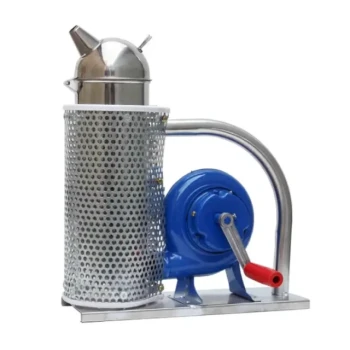
Precision grinding and 250-micron sieving are the twin pillars of professional bee pollen standardization. These processes transform irregular granules into a uniform powder, maximizing the surface area for subsequent solvent contact. This technical precision is vital for eliminating the inefficiencies of uneven particle sizes, particularly during high-level processing like ultrasonic-assisted extraction (UAE).
Core Takeaway: Utilizing industrial-grade grinding and 250-micron classification ensures that bee pollen products achieve maximum nutrient bioavailability and extraction yields. For distributors and wholesalers, this standardized processing is the key to delivering consistent, high-potency ingredients that meet rigorous B2B quality specifications.
The Role of Precision Grinding in Value-Added Processing
Breaking the Pollen Wall (Exine)
Bee pollen grains possess a tough, resilient outer shell known as the exine. Industrial grinding uses high-frequency impact and shear forces to physically disrupt this barrier. Without this step, the valuable nutrients locked inside remain largely inaccessible to both extraction solvents and the human digestive system.
Maximizing Bioavailability for the End Consumer
By reducing the particle size, processors significantly increase the specific surface area of the pollen. This allows for a much higher release rate of essential amino acids, trace elements, and vitamins. For resellers, this mechanical pretreatment directly correlates to the perceived effectiveness and market value of the final functional product.
Enhancing Industrial Extraction Yields
In professional laboratory and manufacturing settings, grinding ensures that solvents like ethanol or water can fully penetrate the cellular matrix. This is critical for the thorough extraction of bioactive flavonoids, phenolics, and carotenoids. Standardized powder guarantees that the chemical analysis of a batch is truly representative of its nutritional profile.
Why 250-Micron Classification Matters for Manufacturers
Standardizing Extraction Efficiency
The 250-micron classification sieve acts as a critical quality control gate. By ensuring every particle meets this standard, manufacturers eliminate the "negative impact of uneven sizes" mentioned in primary technical references. This uniformity is especially important for ultrasonic-assisted extraction, where particle size consistency dictates the evenness of cavitation and nutrient release.
Ensuring Uniformity in Liquid Formulations
For B2B clients involved in the production of liquid feeds or syrups, pulverized pollen is essential. Fine particles prevent sedimentation and ensure that nutritional components are distributed evenly throughout the liquid. This precision processing allows honeybee larvae or livestock to absorb proteins and elements more effectively than they could from raw, unprocessed clumps.
Mimicking Natural Morphology for Feed Substitutes
In the production of artificial supplemental feeds (using soy or corn), grinding equipment reduces materials to a diameter that simulates natural pollen. This ensures that bees can successfully collect the substitute. It also enhances the digestion and utilization rate of the feed, providing a reliable solution for large-scale apiary management.
Understanding the Trade-offs of Mechanical Processing
Heat Sensitivity and Nutrient Degradation
High-speed mechanical grinding generates friction, which can lead to thermal buildup. If temperatures are not carefully managed, sensitive bioactive compounds and enzymes within the bee pollen may degrade. Professional sourcing partners mitigate this by using cooled industrial grinders to preserve the "raw" integrity of the product.
Processing Costs vs. Product Potency
While ultra-fine grinding increases the value and efficacy of the pollen, it adds an additional layer of operational cost and equipment maintenance. However, for distributors, the trade-off is almost always positive. The increase in extraction yield and the ability to market a "high-bioavailability" product typically far outweigh the initial processing investment.
Strategic Sourcing for B2B Growth
Integrating professionally processed bee pollen into your inventory allows you to meet the demands of sophisticated industrial buyers who require high-purity ingredients.
- If your primary focus is Extraction and Manufacturing: Prioritize suppliers who utilize 250-micron sieving to ensure maximum yield and batch-to-batch consistency in your production line.
- If your primary focus is Health and Wellness Retail: Look for ultra-fine ground pollen products that highlight increased bioavailability and nutrient release as a key selling point for consumers.
- If your primary focus is Agricultural Supply: Opt for homogenized, finely ground pollen or substitutes that guarantee uniform distribution in liquid feeds to ensure efficient nutrient delivery to honeybee colonies.
By choosing products processed with precision grinding and standardized sieving, you ensure your inventory meets the highest global standards for technical excellence and biological efficacy.
Summary Table:
| Processing Step | Technical Function | B2B Value Proposition |
|---|---|---|
| Precision Grinding | Breaks the pollen exine (outer shell) | Maximizes nutrient bioavailability & potency |
| 250μm Sieving | Ensures uniform particle size (standardization) | Optimizes extraction yields (UAE) & consistency |
| Mechanical Reduction | Increases specific surface area | Enhances solvent penetration & nutrient release |
| Homogenization | Eliminates clumps and irregular granules | Prevents sedimentation in liquid feed formulations |
Scale Your Bee Product Business with HONESTBEE
At HONESTBEE, we understand that for distributors and commercial apiaries, precision is profit. We provide a one-stop sourcing solution for high-performance beekeeping machinery, including industrial grinders and processing equipment designed to meet the rigorous 250-micron standard.
Why Partner with HONESTBEE?
- Comprehensive Portfolio: From hive-making machines to advanced honey-filling lines and processing consumables.
- Built for B2B: We offer competitive wholesale margins, OEM/ODM support, and certified equipment reliability.
- Efficiency Guaranteed: Benefit from our deep industry expertise, rapid response times, and ultra-fast global fulfillment.
Ready to enhance your production efficiency and product quality? Contact our expert team today to discuss your wholesale needs and request a custom quote!
References
- Abdurrahman Şimşek, Devrim Oskay. Determination of Protein Content and Amino Acid Composition of Extracts Obtained by Ultrasonic-Assisted Extraction Using Different Solvents from Selected Bee Pollens Collected in Bingöl Cente. DOI: 10.29185/hayuretim.1687962
This article is also based on technical information from HonestBee Knowledge Base .
Related Products
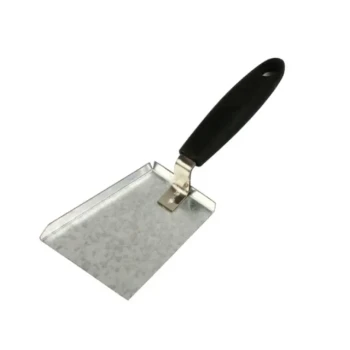
- Heavy-Duty Ergonomic Grip Galvanized Pollen Shovel
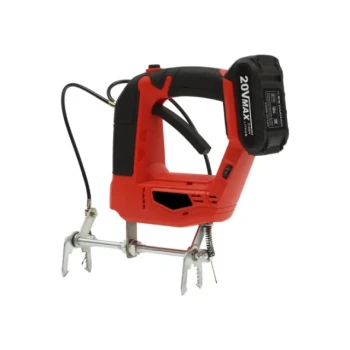
- High Performance Cordless Electric Bee Shaker for Beekeeping
- Electric Flatting and Embossing Machine with Tray for Beekeeping
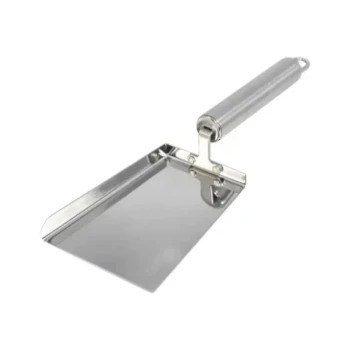
- Heavy-Duty Ergonomic Stainless Steel Pollen Shovel
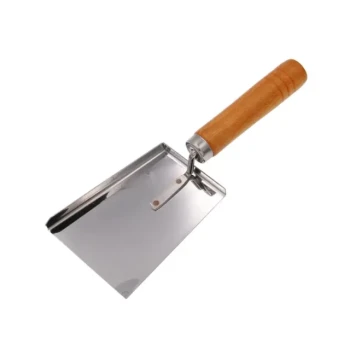
- Stainless Steel Pollen Shovel with Wooden Handle
People Also Ask
- For what reasons do beekeepers collect bee pollen? Boost Hive Health and Unlock New Revenue Streams
- Why should commercial apiaries focus on the collection of diversified bee products? Maximize Your Hive’s Profit Potential
- How do bee pollen collection tools affect the quality of bee pollen used in functional dairy ice cream production?
- How does a specialized pollen collector facilitate the harvesting of diverse bee products? Automate High-Value Yields
- What is the impact of pollen collectors and associated equipment on the cost structure of pollen production? Maximize ROI