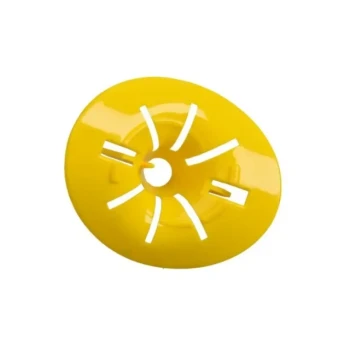
Pollen traps serve as essential physical filters installed at the entrance of beehives to systematically intercept pollen pellets from the hind legs of returning foragers. Their primary purpose in field investigations is to collect fresh, raw pollen samples before they are processed by the colony, providing researchers with tangible data regarding the colony's nutritional intake and foraging sources.
By mechanically separating pollen from bees at the hive entrance, these devices allow for the precise quantification of foraging vitality and the identification of environmental resources. They transform a biological process into measurable data points regarding plant utilization and potential toxicity.
Deciphering Foraging Patterns
Collecting Unprocessed Samples
The fundamental function of a pollen trap is to obtain raw pollen. Because the trap intercepts the pellet immediately upon the bee's return, the sample remains "fresh."
This ensures the material has not been stored or chemically altered by the colony inside the hive. Researchers rely on this pristine state for accurate chemical and nutritional analysis.
Botanical Classification and Identification
Once collected, these samples act as a catalog of the local flora. Researchers analyze the color and morphology of the pellets to identify specific plant sources.
This allows for the mapping of utilization rates of different plant resources. It provides a clear timeline of which flowers are being visited during specific flowering periods.
Evaluating Environmental Interactions
Toxicity Assessment
Pollen traps are critical for environmental safety studies. By collecting pollen from specific crops, researchers can perform toxicity assessment experiments.
These samples are analyzed to determine if the bees are bringing back pesticides or other contaminants. This is vital for understanding why a colony might be failing or assessing the safety of agricultural practices.
Measuring Foraging Vitality
The volume of pollen collected serves as a proxy for the health and efficiency of the workforce. Traps allow for the quantification of total pollen collection over specific time intervals.
High volumes generally indicate a strong foraging force and abundant local resources. Conversely, low yields can signal poor colony health or a lack of forage in the surrounding environment.
Understanding the Constraints
The Nutritional Trade-off
While traps are excellent for data collection, they physically remove the colony's primary protein source.
Continuous use of a pollen trap can lead to nutritional stress for the brood. In long-term investigations, traps are often used intermittently to prevent starving the colony while still gathering data.
Physical Obstruction
The mechanism relies on a physical barrier that restricts the size of the entrance to strip the pollen.
This can cause congestion at the hive entrance. It may slightly alter the natural behavior of the bees as they navigate the obstacle, which is a variable researchers must account for.
Applying This to Your Investigation
## How to Leverage Pollen Traps Effectively
- If your primary focus is Botanical Surveying: Use the distinct color and morphology of the trapped pellets to create a precise map of local floral resources and blooming timelines.
- If your primary focus is Toxicity Analysis: Rely on the trap to provide raw, unprocessed samples to detect pesticide residues before they are diluted or stored within the hive system.
- If your primary focus is Colony Health Monitoring: Measure the volume of pollen over set intervals to quantify foraging vitality and the abundance of external resources.
Pollen traps bridge the gap between field observation and laboratory analysis, turning a hive's intake into actionable environmental data.
Summary Table:
| Research Objective | Primary Function of Pollen Trap | Key Data Collected |
|---|---|---|
| Botanical Surveying | Intercepts fresh pellets for morphology analysis | Floral diversity and blooming timelines |
| Toxicity Assessment | Collects raw, unprocessed samples before hive storage | Pesticide residue and environmental contaminants |
| Colony Health | Quantifies the volume of protein intake | Foraging vitality and workforce efficiency |
| Nutritional Analysis | Preserves samples in their original chemical state | Raw pollen protein and lipid profiles |
Elevate Your Beekeeping Operations with HONESTBEE
Are you looking to scale your commercial apiary or expand your distribution network? HONESTBEE specializes in supporting professional beekeepers and global distributors with a complete spectrum of high-performance tools and machinery.
From advanced hive-making and honey-filling machines to premium beekeeping consumables and specialized equipment, we provide the hardware you need to turn raw foraging data into a profitable, efficient enterprise. Whether you need heavy-duty machinery or honey-themed cultural merchandise to enhance your brand, our wholesale solutions are tailored to your success.
Ready to upgrade your apiary’s efficiency? Contact us today to explore our full catalog and wholesale pricing!
References
- Andrea Cristina Pimentel de Carvalho, Dejair Message. A scientific note on the toxic pollen of <i>Stryphnodendronpolyphyllum</i> (Fabaceae, Mimosoideae) which causes sacbrood-like symptoms. DOI: 10.1051/apido:2003059
This article is also based on technical information from HonestBee Knowledge Base .
Related Products
- Removable Plastic Pollen Trap With Ventilated Tray for Bees Pollen Collector
- 30 cm Plastic Entrance Hole Bee Pollen Trap and Collector
- Plastic Bee Pollen Trap Strips Comb Catcher Collector
- 8 Frame and 10 Frame Propolis Trap Collector Screen for Propolis Collection
- Professional Bucket Style Wasp and Moth Pheromone Trap
People Also Ask
- What are the design principles and advantages of pollen traps in the collection of bee pollen? Boost Your Apiary Yield
- What is the function of professional pollen traps in evaluating honey plants? Quantifying Pollination and Crop Potential
- What functions do pollen traps serve for bee bread production? Optimize Your Raw Material Collection
- What maintenance and pest prevention measures should be taken for pollen traps? Protect Your Hive and Harvest Quality
- How does the use of pollen traps in honeybee hives enhance crop fertilization? Boost Your Yield Through Induced Activity