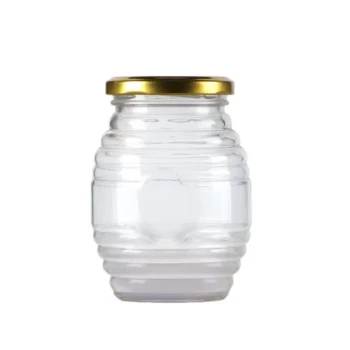
The primary purpose of using sealed storage equipment for old hive components from colonies affected by Colony Collapse Disorder (CCD) is to physically prevent healthy honeybees from "robbing" the abandoned hive. By sealing away these materials, you block neighboring colonies from scavenging residual honey and pollen, which effectively stops the horizontal transmission of pathogens or environmental toxins to the rest of your apiary.
Sealed storage acts as a biosecurity firewall. It breaks the chain of contamination by ensuring that persistent pathogens from a collapsed colony cannot be transported to healthy hives during foraging and scavenging activities.
The Mechanics of Contained Storage
Preventing the "Robbing" Instinct
In an apiary environment, strong colonies act opportunistically. If they detect a weak or abandoned hive, they will attempt to "rob" it of its remaining resources, such as honey and pollen.
This behavior is the primary vector for disease spread. Sealed storage eliminates the target, ensuring that healthy bees cannot physically access the contaminated materials.
Blocking Horizontal Transmission
Horizontal transmission refers to the spread of a pathogen from one individual or group to another within the same population. In beekeeping, this happens when bees move materials from a sick hive to a healthy one.
By isolating old equipment, you sever the physical connection between colonies. This containment is essential because the pathogens associated with CCD can remain viable on equipment long after the original colony has collapsed.
Managing Persistent Threats
Isolating Residual Resources
The honey and pollen left behind in a collapsed hive are not just wasted resources; they are potential biological hazards. These stores often harbor the specific bacteria, viruses, or fungi responsible for the colony's collapse.
Sealed storage keeps these residual resources strictly contained. It ensures that no biological material enters the food supply of a healthy colony.
Accounting for Unknown Factors
The specific causes of CCD can be complex, multifaceted, and sometimes unidentified at the time of collapse. Because the exact pathogen or environmental factor is often unknown, you must assume it is persistent.
Sealed storage provides a safety buffer against this uncertainty. It treats the equipment as infectious until it can be properly sterilized or disposed of, rather than risking immediate re-exposure.
Common Pitfalls to Avoid
The Illusion of Safety
Storage is not sterilization. It is crucial to understand that sealing the equipment does not kill the pathogen; it only contains it.
Placing components in storage prevents immediate spread, but the equipment remains a biohazard. Reintroducing this equipment to a new colony without further processing (such as irradiation or scorching) poses a significant risk of re-infection.
Compromised Seals
The effectiveness of this method relies entirely on the integrity of the seal. If the storage equipment has gaps, cracks, or loose lids, determined foragers will find a way inside.
A partially sealed container is effectively useless. It allows robbing to occur while giving the beekeeper a false sense of security regarding their biosecurity protocols.
Making the Right Choice for Your Goal
To effectively manage apiary health and prevent the recurrence of CCD, consider the following recommendations:
- If your primary focus is immediate containment: Seal all hive bodies, frames, and supers immediately upon discovering a collapse to stop robbing behavior before it begins.
- If your primary focus is long-term biosecurity: Treat all stored equipment from collapsed colonies as permanently contaminated until it undergoes rigorous sterilization or is destroyed.
Effective isolation is the single most important step in preventing a localized collapse from becoming an apiary-wide disaster.
Summary Table:
| Aspect | Purpose & Impact | Key Action |
|---|---|---|
| Primary Goal | Prevent "robbing" behavior | Seal hives immediately after collapse |
| Transmission Control | Blocks horizontal disease spread | Sever physical contact between colonies |
| Resource Isolation | Contains contaminated honey/pollen | Use airtight containers or sealed rooms |
| Uncertainty Buffer | Safeguards against unknown pathogens | Treat equipment as infectious until sterilized |
| Equipment Integrity | Prevents foragers from entering gaps | Ensure no cracks or loose lids in storage |
Protect Your Apiary with Professional-Grade Solutions
Biosecurity is the backbone of a successful beekeeping operation. At HONESTBEE, we understand that commercial apiaries and distributors require more than just tools—they need reliability. We offer a comprehensive wholesale portfolio ranging from heavy-duty hive-making and honey-filling machinery to essential industry consumables designed to keep your colonies safe and productive.
Whether you are scaling your commercial apiary or supplying the next generation of beekeepers, our expert-grade equipment ensures you have the "biosecurity firewall" needed to prevent disasters like CCD from spreading.
Ready to upgrade your equipment or stock your inventory?
Contact Honestbee Today for a Custom Wholesale Quote
References
- Jamie Ellis. Colony Collapse Disorder (CCD) in Honey Bees. DOI: 10.32473/edis-in720-2010
This article is also based on technical information from HonestBee Knowledge Base .
Related Products
- Classic Glass Honey Jar with Metal Lug Cap for Beehive Storage
- Professional Galvanized Steel Frame Rest for Beehives
- Durable Plastic Interlocking Hive Connector for Beekeeping
- Styrofoam Mini Mating Nuc Box with Frames Feeder Styrofoam Bee Hives 3 Frame Nuc Box
- Langstroth Honey Bee Box Hive Boxes for Different Depths
People Also Ask
- What are the benefits of glass jars regarding strength and safety for storing honey? Ensure Purity and Long-Term Quality
- What are the advantages of using glass jars for honey storage? Ensure Purity and Premium Appeal for Your Product
- What are the benefits of using high-transparency Glass Jars for honey? Elevate Purity and Premium Branding
- What is the aesthetic appeal of using glass jars for honey? Elevate Your Brand with Premium Packaging
- Which container is best for storing honey? Preserve Purity & Flavor with the Right Choice