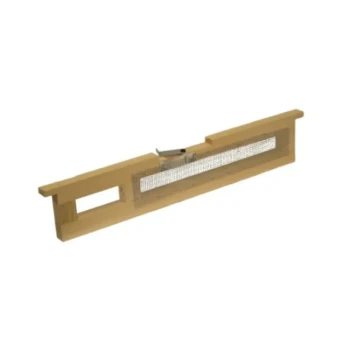
Standardized plywood frames serve as essential physical boundaries used to define precise experimental areas within field settings. By confining released larvae to a specific zone, these frames ensure that the pests burrow and pupate in a controlled environment, preventing loss due to dispersal and minimizing external environmental interference.
The use of physical frames is the primary method for ensuring high-precision recovery of pupae. It guarantees that data regarding pupation depth and survival rates reflects biological reality rather than experimental error.
The Role of Containment in Field Research
Defining the Experimental Footprint
In open field conditions, defining the exact boundaries of a study is often difficult. Standardized frames solve this by creating a precise, physical perimeter on the soil surface.
This allows researchers to designate exact square footage for the experiment. It eliminates ambiguity regarding where the biological activity is supposed to take place.
Controlling Larval Behavior
The frames act as a barrier to enforce interaction with the specific soil zone under observation. They ensure that released pest larvae burrow into the designated soil rather than crawling away.
Without this containment, larvae could disperse widely. This would make it impossible to determine if a pest died or simply moved outside the study area.
Enhancing Data Accuracy
Improving Recovery Rates
The ultimate goal of these experiments is to retrieve pupae and prepupae for analysis. Frames significantly improve the accuracy of this recovery process.
Because the search area is strictly defined, researchers can focus their extraction efforts. This leads to higher retrieval rates and more robust sample sizes.
Validating Pupation Depth
Accurate measurement of how deep pests bury themselves requires a controlled baseline. Frames preserve the integrity of the surface area, ensuring depth measurements are consistent across different trials.
Ensuring Survival Data Reliability
Reliable survival data depends on accounting for every released individual. By preventing escape, the frames ensure that missing specimens are likely due to mortality rather than migration.
Understanding the Trade-offs
Balancing Control and Natural Conditions
While frames introduce a physical barrier, their primary purpose is to minimize environmental interference without moving the experiment to a lab.
However, researchers must ensure the frames are installed flush with the soil. Improper installation can lead to gaps that compromise the controlled zone.
Making the Right Choice for Your Research
To get the most out of your field release experiments, consider your primary data goals.
- If your primary focus is Data Precision: Use rigid frames to ensure that pupation depth measurements are taken from a consistent, undisturbed baseline.
- If your primary focus is Mortality Tracking: Rely on frames to prevent larval dispersal, ensuring that low recovery rates are correctly attributed to death rather than escape.
Using standardized frames is the most effective way to turn a variable field environment into a source of rigorous, defensible scientific data.
Summary Table:
| Key Feature | Research Benefit | Purpose in Field Monitoring |
|---|---|---|
| Physical Boundary | Defined Footprint | Establishes a precise perimeter for larvae release. |
| Containment | Reduced Dispersal | Prevents larvae from crawling outside the study zone. |
| Control Area | Higher Recovery | Ensures pupae are retrieved from a strictly defined area. |
| Surface Baseline | Depth Accuracy | Maintains a consistent ground level for measuring burrowing depth. |
| Data Validation | Reliable Survival Rates | Distinguishes between specimen mortality and migration loss. |
Maximize Your Research Precision with HONESTBEE
At HONESTBEE, we understand that high-quality data starts with high-quality equipment. Whether you are conducting field research or managing a large-scale commercial operation, we provide the tools necessary for success.
We specialize in catering to commercial apiaries and distributors, offering a comprehensive wholesale range that includes:
- Precision Machinery: Hive-making and honey-filling machines for streamlined production.
- Beekeeping Essentials: A full spectrum of durable tools, frames, and hardware.
- Consumables & Merchandise: Industry-essential consumables and honey-themed cultural goods.
Take your operation to the next level with reliable, professional-grade equipment. Contact HONESTBEE today to discuss our wholesale offerings and how we can support your specific beekeeping and research needs.
References
- Baldwyn Torto, Peter E. A. Teal. Monitoring Aethina tumida (Coleoptera: Nitidulidae) With Baited Bottom Board Traps: Occurrence and Seasonal Abundance in Honey Bee Colonies in Kenya. DOI: 10.1603/en10013
This article is also based on technical information from HonestBee Knowledge Base .
Related Products
- Professional Wooden Requeening Frame for Beekeeping
- Assembled Wooden Bee Frames with Plastic Foundation for Durability and Convenience by HONESTBEE
- Wooden Bee Hive Frames for Beekeeping and Wholesale
- Assembled Wooden Bee Frames with Beeswax Foundation Ready to Use by HONESTBEE
- HONESTBEE Wired and Assembled Wooden Bee Frames Foundation for a Thriving Hive
People Also Ask
- What are the primary functions of beekeeping frames? Boost Efficiency with Professional Hive Management
- What are the best practices for assembling beekeeping frames? Pro Tips for Maximum Durability & Efficiency
- How are deep, medium, and shallow frames typically used in beekeeping? Optimize Your Hive Setup
- What are the characteristics of wooden frames in beekeeping? Unlock Natural Flexibility & Cost-Effectiveness
- What are the common specifications for wooden beekeeping frames used in colony expansion? Your Complete Guide