Adhere strictly to the standard capacity of your equipment. For a beginner, the correct setup is simple: if you are using a 10-frame box, you must install exactly 10 frames. If you are using an 8-frame box, install exactly 8 frames. Applying this 1:1 ratio to every box in your hive is essential for maintaining proper bee space and reducing management difficulties during your first few seasons.
Beginners should prioritize stability and predictability over experimentation. Using a full count of frames, ideally with foundation, provides the bees with a necessary guide that simplifies inspections and accelerates hive establishment.
Matching Frame Count to Box Size
The Rule of Full Capacity
The most critical rule for a novice is to match the number of frames to the box size. Do not attempt to run fewer frames than the box is designed to hold. Leaving empty space invites the bees to build "burr comb" or irregular wax structures that make inspections difficult and messy.
Avoiding Advanced Spacing Techniques
You may encounter advice suggesting running 9 frames in a 10-frame box to create wider combs. Ignore this advice for now. Experimenting with frame spacing is an advanced technique that requires experience reading bee behavior; attempting this too early often results in cross-combing and rolled bees.
The Role of Foundation
Why Foundation Matters for Beginners
While it is possible to manage hives without foundation, using it is generally recommended for beginners. Foundation provides a structured guide for the bees to build upon. This structure ensures straight combs, which are significantly easier for a novice beekeeper to remove and inspect without damaging the hive.
Speed of Establishment
Using foundation can lead to faster honey production and hive growth. Because the bees do not have to generate as much wax from scratch to draw out the comb, they can focus energy on raising brood and storing resources. This efficiency is crucial during a colony's first year.
Harvesting Considerations
Your choice of foundation in "honey supers" (the upper boxes for honey storage) depends on how you plan to harvest. If you plan to use a centrifugal extractor, you should use plastic foundation to prevent the comb from blowing out under pressure. If you plan to use the crush and strain method, you can leave frames foundationless or use simple starter strips.
Common Pitfalls to Avoid
The Risk of Going Foundationless Too Soon
While some sources suggest leaving brood frames empty for natural comb, this introduces significant risk for a beginner. Without the guide of a foundation sheet, bees often build comb across multiple frames (cross-combing). This effectively "glues" the frames together, making it impossible to perform necessary disease inspections without destroying the comb.
Inconsistent Frame Counts
A common mistake is using different frame counts in different boxes within the same stack. This disrupts the vertical "bee space" corridors the colony uses to move between boxes. Ensure every box, from the bottom board to the top cover, utilizes the standard count (10 for 10, 8 for 8).
Making the Right Choice for Your Goal
To ensure your first year is focused on learning rather than fixing mistakes, choose the setup that matches your objectives:
- If your primary focus is Ease of Management: Use foundation in all frames (brood and super) to ensure straight comb and easy inspections.
- If your primary focus is Extraction Harvesting: Ensure you use plastic foundation in your honey supers to withstand the force of the spinning extractor.
- If your primary focus is Low-Cost Harvesting: You may leave honey super frames foundationless for the "crush and strain" method, but keep foundation in the brood nest for stability.
Master the standard setup first; there is plenty of time to experiment once you understand the bees' language.
Summary Table:
| Setup Element | Recommendation | Benefit for Beginners |
|---|---|---|
| Frame Count | Match box capacity (10 for 10, 8 for 8) | Prevents burr comb and messy cross-combing |
| Foundation | Use plastic or wax foundation | Ensures straight comb for easier inspections |
| Spacing | Standard 1:1 ratio (no gaps) | Maintains proper bee space and colony flow |
| Harvesting | Plastic foundation (for extractors) | Protects comb integrity during honey extraction |
Scale Your Apiary with HONESTBEE Professional Equipment
Ready to transition from a beginner to a pro? HONESTBEE is the trusted partner for commercial apiaries and distributors worldwide. We provide a comprehensive wholesale range, including high-precision hive-making machinery, efficient honey-filling lines, and a full spectrum of durable beekeeping tools and consumables.
Whether you are stocking up on standard frames or investing in industrial-grade equipment, our products are designed to maximize your productivity and colony health.
Unlock wholesale pricing and expert support today.
Related Products
- Wooden Bee Hive Frames for Beekeeping and Wholesale
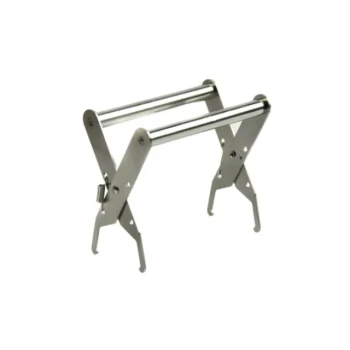
- Heavy-Duty Stainless Steel Clip-On Frame Perch
- Assembled Wooden Bee Frames with Plastic Foundation for Durability and Convenience by HONESTBEE
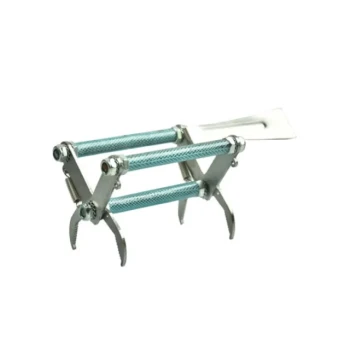
- Professional Galvanized Steel Frame Rest for Beehives
- HONESTBEE Wired and Assembled Wooden Bee Frames Foundation for a Thriving Hive
People Also Ask
- How does balancing the number of frames impact hive productivity? Optimize Your Apiary's Biological Output
- How do wooden and plastic hive frames compare in terms of durability? Wood vs. Plastic Longevity & Repairability
- What are the main considerations when choosing between wooden and plastic bee hive frames? Optimize Your Apiary's Efficiency
- How should beehive frames be maintained to prolong their lifespan? 5 Pro Tips for Durable Beekeeping Equipment
- Can I reuse old beehive frames? Save Money and Boost Hive Productivity