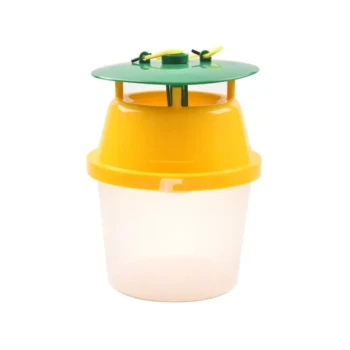
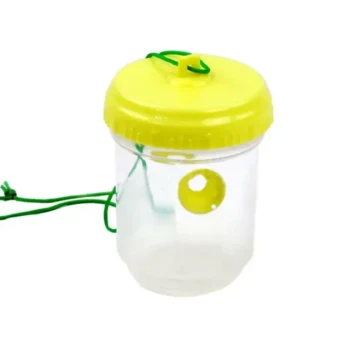
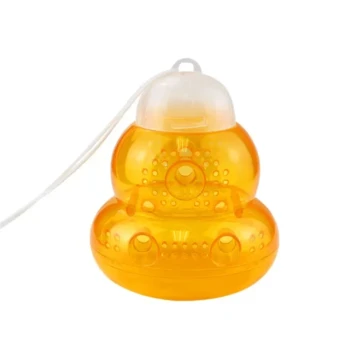
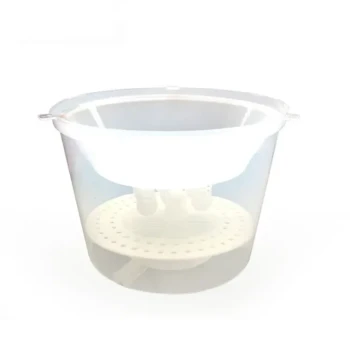
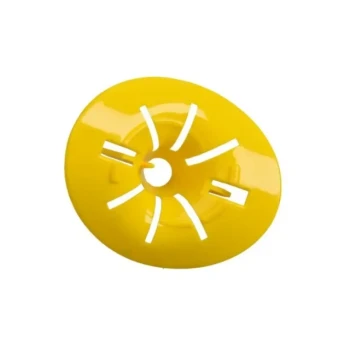
Pollen traps serve as the primary mechanical interface for harvesting raw bee pollen samples directly at the hive source. Installed at the entrance of the beehive, these devices utilize specific aperture grids to physically intercept and strip pollen pellets from the hind legs of returning worker bees, enabling the collection of biological material for analysis or commercial use.
By automating the separation of pollen from foraging bees, these traps provide a standardized method to obtain large-scale, pure biological samples. They are essential for bridging the gap between field foraging activity and the laboratory analysis of botanical sources.
The Mechanical Interception Process
Precision Aperture Grids
The core component of a pollen trap is a physical barrier featuring a grid with precisely measured apertures.
As foraging bees return to the hive, they are forced to navigate through these specific holes to gain entry.
Physical Stripping
The mechanics of the trap rely on friction and obstruction. As the bee squeezes through the grid, the structure mechanically dislodges the pollen pellets carried in the corbicula (pollen baskets) on their hind legs.
Collection and Separation
Once the pellets are stripped from the bee, gravity causes them to fall into a specialized storage drawer or tray located beneath the grid.
This process ensures immediate physical separation, isolating the raw pollen from the insect before it can be stored inside the hive.
The Scientific and Industrial Value
Monitoring Foraging Ecology
Pollen traps are indispensable for tracking biological activity. They allow researchers to monitor foraging patterns across different flowering periods and geographical regions.
By collecting samples over specific timeframes, analysts can assess the abundance of floral resources in the surrounding landscape.
Sample Purity for Analysis
The samples collected are raw and non-destructive. This makes them ideal for chemical composition analysis and botanical identification.
Because the pollen is intercepted at the entrance, it remains free of hive debris, ensuring the cleanliness required for industrial production or rigorous laboratory testing.
Operational Trade-offs and Considerations
Balancing Efficiency and Safety
The effectiveness of a pollen trap depends entirely on the precision of the hole diameter.
The aperture must be calibrated accurately enough to strip the pollen load without trapping the bee or causing physical injury to the insect.
Impact on Hive Dynamics
While traps are designed to allow normal movement, they act as a bottleneck.
Some configurations, such as bottom-mounted traps, are often preferred as they may cause less interference with bee flight frequency compared to other mounting positions.
Making the Right Choice for Your Goal
When integrating pollen traps into your workflow, align the equipment with your specific objectives:
- If your primary focus is ecological research: Prioritize traps that allow for precise temporal activation to accurately map foraging activities across specific flowering seasons.
- If your primary focus is commercial production: Select high-efficiency traps with large collection drawers that maximize yield while maintaining the purity of the botanical source.
The pollen trap is the definitive tool for converting dynamic foraging behavior into tangible, analyzable data without compromising the colony.
Summary Table:
| Feature | Function & Impact |
|---|---|
| Aperture Grid | Precisely sized barrier that strips pollen pellets from bee legs. |
| Storage Drawer | Collects raw samples away from hive debris for maximum purity. |
| Biological Monitoring | Enables tracking of floral resources and foraging patterns. |
| System Compatibility | Available in bottom-mounted or entrance configurations for hive safety. |
Elevate Your Commercial Pollen Production with HONESTBEE
As a professional distributor or commercial apiary operator, you need precision-engineered equipment that balances high-yield harvesting with bee safety. HONESTBEE specializes in the wholesale supply of high-performance beekeeping machinery and tools designed for industrial-scale efficiency.
From precision-calibrated pollen traps to advanced honey-filling machines and specialized hive-making hardware, we provide the full spectrum of equipment and consumables required to scale your operations. Partner with us to access professional-grade tools that ensure sample purity and colony health.
Ready to upgrade your wholesale supply chain? Contact HONESTBEE today to discuss your bulk equipment needs
References
- H. Fathy, Zienab A. E. Hassanein. Chemical Composition of the Main Pollen Collection by Honey Bee (Apis mellifera L.) at Kafr El-Sheikh Governorate. DOI: 10.21608/jppp.2018.41280
This article is also based on technical information from HonestBee Knowledge Base .
Related Products
- Removable Plastic Pollen Trap With Ventilated Tray for Bees Pollen Collector
- 30 cm Plastic Entrance Hole Bee Pollen Trap and Collector
- Plastic Bee Pollen Trap Strips Comb Catcher Collector
- High-Efficiency Diamond Maze Bee Escape for Clearing Supers
- Professional Bucket Style Wasp and Moth Pheromone Trap
People Also Ask
- What are the design principles and advantages of pollen traps in the collection of bee pollen? Boost Your Apiary Yield
- What is the function of professional pollen traps in evaluating honey plants? Quantifying Pollination and Crop Potential
- What functions do pollen traps serve for bee bread production? Optimize Your Raw Material Collection
- What maintenance and pest prevention measures should be taken for pollen traps? Protect Your Hive and Harvest Quality
- How does the use of pollen traps in honeybee hives enhance crop fertilization? Boost Your Yield Through Induced Activity