Pollen traps function as non-invasive biological sampling interfaces installed directly at the hive entrance. By physically intercepting returning foragers and forcing them to drop their pollen pellets, these devices allow for the collection of environmental samples without disrupting the internal structure or daily operations of the bee colony.
By transforming the colony into a living sensor, pollen traps provide the critical raw material needed to quantify floral abundance, analyze nutritional diversity, and precisely identify botanical sources within the surrounding landscape.
The Mechanics of Interception
Physical Separation
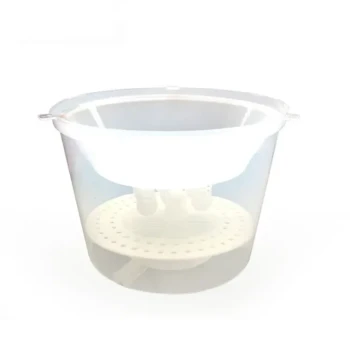
The fundamental role of the pollen trap is mechanical filtration. As worker bees attempt to enter the hive, they are forced to pass through a grid with specific pore sizes.
This physical barrier strips the pollen pellets attached to the bees' hind legs. These pellets then fall into a protected collection tray, separating the resource from the bee before it enters the colony.
Sample Authenticity
Because the trap intercepts the pollen immediately upon the bee's return, the sample remains "raw."
This is crucial for scientific analysis. It ensures the material has not yet been processed, fermented, or altered by the colony, making it ideal for accurate toxicity assessments and nutritional profiling.
Analyzing the Foraging Landscape
Botanical Source Identification
The trapped pollen serves as a direct record of where the bees have been. Researchers use these pellets to determine the botanical origin of the forage based on color and morphology.
For deeper analysis, DNA metabarcoding can be applied to these samples. This allows for the precise identification of plant species, helping land managers evaluate the success of specific seed mixes or conservation plantings.
Nutritional Profiling
Assessing the environment requires understanding the quality, not just the quantity, of available food.
Samples collected from traps are analyzed for protein content and nutritional diversity. This data reveals whether the local flora provides a complete diet or if the colony is facing nutritional deficiencies due to a monoculture environment.
Quantifying Forage Abundance
The volume of pollen collected over a specific timeframe acts as a metric for environmental productivity.
High volumes generally indicate distinct resource abundance. Commercial apiarists use this data to make logistical decisions, such as determining when to relocate colonies to areas with better forage availability.
Operational Considerations and Trade-offs
Balancing Sampling with Survival
While pollen traps are valuable assessment tools, they must be used with a strict limit on retention rates.
Standard protocols often design traps to retain only a specific portion of the incoming load (e.g., approximately 10%). This ensures that while researchers get their data, the colony retains enough protein to feed its brood and maintain normal growth.
Monitoring External Pressures
A sudden drop in trapped pollen volume does not always indicate a lack of flowers.
It can also serve as an indicator of external stressors, such as high predation pressure. Monitoring these fluctuations helps operators assess the effectiveness of defensive measures, such as Electric Harps, in improving foraging efficiency.
Making the Right Choice for Your Goal
To effectively use pollen traps for environmental assessment, align your analysis method with your specific objective:
- If your primary focus is Ecosystem Biodiversity: prioritize DNA metabarcoding of trapped samples to identify specific plant species and evaluate the richness of the local flora.
- If your primary focus is Apiary Management: monitor the total volume of trapped pollen to identify peak forage times and trigger colony relocation when resources dwindle.
- If your primary focus is Ecotoxicology: ensure daily collection to obtain fresh, raw samples for testing potential pesticide residues or plant-based toxins before they degrade.
By treating the pollen trap as a data collection point rather than just a harvesting tool, you gain a definitive window into the health of the foraging environment.
Summary Table:
| Function | Operational Role | Key Benefit |
|---|---|---|
| Physical Separation | Mechanical grid filters pollen pellets from foragers | Provides raw, unprocessed samples for analysis |
| Botanical ID | Analysis of pollen color, morphology, and DNA | Identifies specific plant species in the landscape |
| Nutritional Profiling | Assessment of protein and amino acid content | Detects nutritional deficiencies and floral quality |
| Volume Tracking | Measuring collection totals over time | Quantifies forage abundance for logistical planning |
| Toxicity Testing | Daily collection of fresh pollen samples | Monitors pesticide exposure and environmental toxins |
Elevate Your Apiary Management with HONESTBEE
At HONESTBEE, we empower commercial apiaries and global distributors with the professional-grade tools needed to thrive. From high-efficiency pollen traps to advanced hive-making and honey-filling machinery, our comprehensive wholesale portfolio covers every stage of beekeeping.
Whether you are scaling a commercial operation or supplying the industry with essential consumables and honey-themed merchandise, our team is dedicated to providing the specialized hardware and insights your business demands. Contact us today to discuss your bulk equipment needs and discover how our expertise can drive your productivity and success.
References
- Belén Branchiccela, Karina Antúnez. Impact of nutritional stress on the honeybee colony health. DOI: 10.1038/s41598-019-46453-9
This article is also based on technical information from HonestBee Knowledge Base .
Related Products
- Removable Plastic Pollen Trap With Ventilated Tray for Bees Pollen Collector
- 30 cm Plastic Entrance Hole Bee Pollen Trap and Collector
- Plastic Bee Pollen Trap Strips Comb Catcher Collector
- High-Efficiency Diamond Maze Bee Escape for Clearing Supers
- Professional Bucket Style Wasp and Moth Pheromone Trap
People Also Ask
- What are the design principles and advantages of pollen traps in the collection of bee pollen? Boost Your Apiary Yield
- What is the function of professional pollen traps in evaluating honey plants? Quantifying Pollination and Crop Potential
- What functions do pollen traps serve for bee bread production? Optimize Your Raw Material Collection
- What maintenance and pest prevention measures should be taken for pollen traps? Protect Your Hive and Harvest Quality
- How does the use of pollen traps in honeybee hives enhance crop fertilization? Boost Your Yield Through Induced Activity