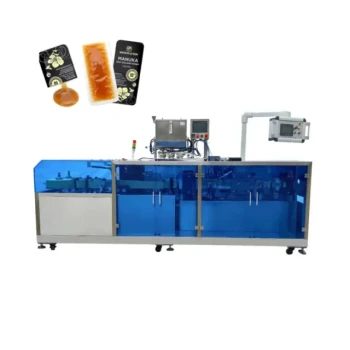
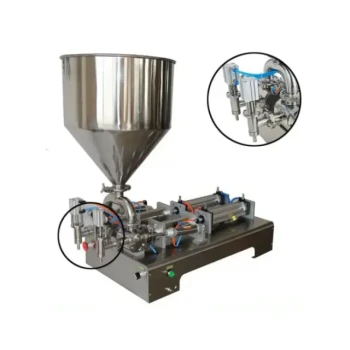
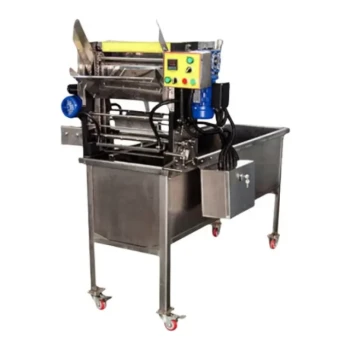
Automated honey filling and coding equipment serves as the technological backbone for product authenticity and brand protection. By integrating high-precision weighing with advanced coding capabilities, these systems ensure that the source, batch, and specific origin information for every jar are clearly and unalterably recorded. This creates a verifiable chain of custody that fulfills regulatory traceability obligations and prevents low-quality substitutes from infiltrating the market.
Core Takeaway: The true value of this technology lies not just in efficiency, but in accountability. It acts as a gatekeeper, ensuring that the physical product matches the claims on the label, thereby protecting producer interests and strictly enforcing the barriers against adulteration and counterfeiting.
The Role of Precision Coding in Origin Protection
To protect regional brands, producers must move beyond simple packaging and embrace data integration.
Enforcing Unalterable Traceability
The primary function of advanced coding equipment is to create a permanent record. These machines print unalterable source and batch data directly onto the packaging at the moment of filling. This creates a direct link between the specific production run and the retail unit, ensuring compliance with strict administrative regulations regarding food sourcing.
Safeguarding Regional Identity
For premium honey, the specific region of origin is the primary value driver. Automated coding prevents generic or blended honey from being passed off as high-value regional produce. By explicitly marking origin information, producers protect their specific "brand equity" and prevent the dilution of their market reputation by lower-quality imitators.
Building Consumer Trust via Transparency
A labeling system provides the "quality backing" for the physical product. Detailed labels that include ingredient composition, certifications, and production dates allow consumers to verify what they are buying. This transparency is a core mechanism for preventing the distribution of counterfeit goods and building long-term consumer confidence.
How Automation Prevents Adulteration
Adulteration often occurs when the production chain is opaque or accessible to manual interference. Automation closes these gaps.
Eliminating Secondary Contamination
Manual handling during the post-processing stage is a major risk factor for contamination. Automated, closed-loop filling systems minimize human contact. This ensures the honey remains additive-free and maintains the high purity levels established during extraction, effectively blocking the introduction of foreign substances.
Ensuring Physicochemical Consistency
Adulterated honey often varies significantly in weight or volume compared to pure honey. Industrial filling equipment uses high-precision weighing and volumetric sensors to ensure every jar meets exact specifications. This consistency makes it much harder for irregular, adulterated batches to pass quality checks unnoticed.
Preserving Natural State
Authenticity is also about chemical stability. Professional equipment protects honey from exposure to air and moisture during the fill. By maintaining moisture content below 20%, the machinery prevents fermentation and spoilage, ensuring the honey retains the natural color and purity required by high-end commercial markets.
Understanding the Trade-offs
While automation provides security, it introduces new complexities that producers must manage.
Complexity of Maintenance
Transitioning from manual to automated systems requires a shift in workforce skills. High-precision sensors, pneumatic controls, and coding printers require specialized technical maintenance. A failure in the coding module can halt the entire production line, even if the filling mechanism is working perfectly.
Rigidity of Standardization
Automation demands uniformity. The containers, labels, and caps must meet strict dimensional standards for the machine to function correctly. This reduces the flexibility a producer might have to make quick, small-batch changes to packaging designs compared to a manual process.
Making the Right Choice for Your Goal
When selecting equipment to protect your product's integrity, focus on your specific market objectives.
- If your primary focus is Regulatory Compliance: Prioritize equipment with integrated, high-resolution coding systems that can print dynamic QR codes or batch numbers directly on the glass or label.
- If your primary focus is Product Purity: Invest in machines with a "closed filling process" and pneumatic control systems to eliminate air exposure and human contact.
Summary: Ultimately, automated filling and coding transforms honey from a raw agricultural commodity into a verifiable, secure commercial asset that commands trust in the marketplace.
Summary Table:
| Feature | Function in Quality Control | Impact on Adulteration Prevention |
|---|---|---|
| Precision Coding | Prints unalterable batch and source data | Ensures a verifiable chain of custody and origin protection |
| Closed-Loop Filling | Minimizes human contact and air exposure | Eliminates secondary contamination and prevents fermentation |
| Volumetric Sensors | Maintains exact weight and consistency | Identifies irregular batches and ensures chemical stability |
| Data Integration | Links production runs to retail units | Builds consumer trust through transparent labeling |
Secure Your Honey Brand with HONESTBEE Technology
Protect your product's integrity and command higher market prices with HONESTBEE. As a premier partner for commercial apiaries and distributors, we provide more than just hardware—we offer a shield for your brand equity.
From high-precision honey-filling machines to advanced coding systems and a full spectrum of beekeeping machinery, we empower you to eliminate adulteration risks and satisfy global traceability standards. Whether you are a large-scale distributor or a specialized regional producer, our wholesale solutions are designed to scale your efficiency and safeguard your purity.
Ready to upgrade your production line? Contact HONESTBEE Today to explore our comprehensive range of tools, machinery, and honey-themed cultural merchandise.
References
- Antonio García Jiménez. La protección jurídica y administrativa de las abejas. DOI: 10.56398/ajacieda.00116
This article is also based on technical information from HonestBee Knowledge Base .
Related Products
- Automatic Honey Filling and Filtering Machine for Beekeeping Bottle Filling
- Fully Automatic Honey Filling Packaging Machine for Processing Line
- Precision Durable Efficient HONESTBEE Rotary Honey Filling Machine
- Precision Automated Packaging Turntable Honey Spoon Filling Sealing Packing Machine
- Semi Automatic Small Honey Bottle Filling Machine Honey Filler
People Also Ask
- What process advantages do professional honey filtering and filling machines provide? Optimize Your Organic Honey Output
- How do honey filling and filtering machines increase product value? Turn Raw Honey into Premium Export-Grade Goods
- How do honey filtration and filling machinery contribute to industrialization? Scale Your Commercial Honey Production
- What specific issues do industrial filtration and automated filling machinery address? Ensure Honey Quality & Compliance
- How does the use of professional honey filtration and filling machinery facilitate international honey exports?