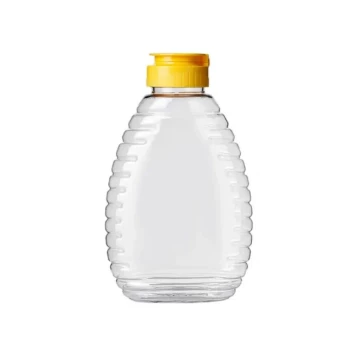
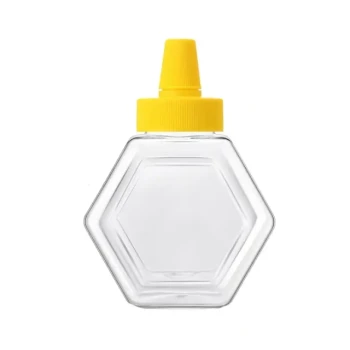
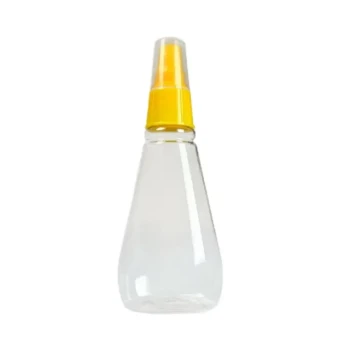
The U.S. Food and Drug Administration (FDA) mandates specific material standards for honey packaging to ensure product safety and quality. Under current regulations, you are permitted to use only glass or four specific types of food-safe plastics: High-Density Polyethylene (HDPE), Low-Density Polyethylene (LDPE), Polypropylene (PP), and Polyethylene Terephthalate (PET).
To ensure regulatory compliance and protect the integrity of your product, your honey packaging must be strictly limited to glass or the FDA-approved list of food-grade plastics.
Approved Material Categories
To meet FDA standards, you must select materials that are chemically inert and safe for long-term contact with food.
Glass Containers
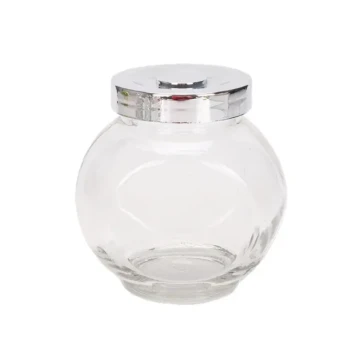
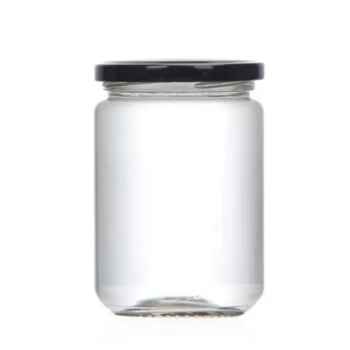
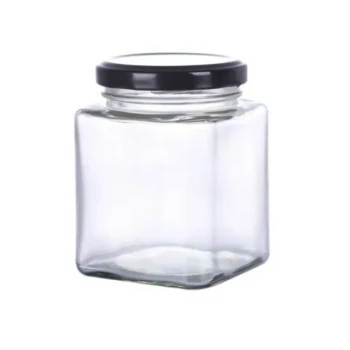
Glass is the traditional standard for honey packaging. It is non-porous and impermeable, meaning it will not react with the honey or allow external moisture to enter.
Because glass offers superior clarity, it is often the preferred choice for producers who want to showcase the natural color and texture of their honey.
High-Density Polyethylene (HDPE)
HDPE is known for its strength and chemical resistance. It is often opaque or translucent, making it suitable for bulk storage or retail packaging where visual clarity is not the primary priority.
This material provides an excellent barrier against moisture, which is critical for preventing fermentation in honey.
Low-Density Polyethylene (LDPE)
LDPE is characterized by its flexibility. This is the standard material used for squeezable honey bottles, such as the iconic "honey bear" containers.
While less rigid than HDPE, it remains chemically resistant and safe for direct food contact.
Polypropylene (PP)
Polypropylene is a tough, heat-resistant plastic. It is frequently used for containers that may require hot-filling or for durable closures and caps.
Its high melting point ensures that the container maintains its structural integrity even if the honey is packed while warm.
Polyethylene Terephthalate (PET)
PET is a rigid, clear plastic that mimics the appearance of glass. It is lightweight and shatterproof, offering a balance between the premium look of glass and the durability of plastic.
It provides a strong barrier against oxygen and moisture, preserving the honey's flavor profile.
Understanding Material Trade-offs
While all listed materials are compliant, they offer different benefits regarding logistics and consumer experience.
Clarity vs. Durability
Glass and PET offer the highest visibility, allowing customers to see the product clearly. However, glass is heavy and fragile, which significantly increases shipping costs and breakage risks.
HDPE and PP are more durable and lighter, reducing logistics costs, but their lack of transparency may reduce shelf appeal for premium markets.
Rigid vs. Squeezable
Rigid containers like Glass and PET are excellent for shelf stability and stacking. However, they make it difficult for consumers to dispense viscous honey.
LDPE allows for squeezable convenience, a key selling point for table-ready honey products, but offers less structural protection during shipping.
Making the Right Choice for Your Goal
Selecting the right material depends on your specific product positioning and distribution model.
- If your primary focus is premium retail presentation: Choose Glass or PET to maximize product visibility and perceived value.
- If your primary focus is consumer convenience: Choose LDPE to provide a flexible, squeezable bottle that is easy to use at the table.
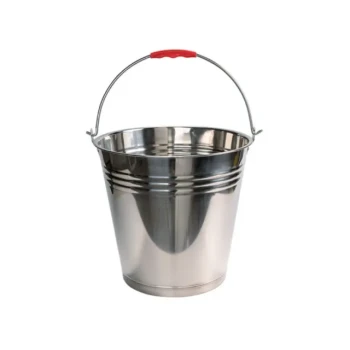
- If your primary focus is bulk storage or shipping efficiency: Choose HDPE for its durability, moisture resistance, and lightweight properties.
Compliance is the baseline; choose the material that best supports your product's journey from the hive to the customer.
Summary Table:
| Material Type | Key Characteristics | Best Use Case |
|---|---|---|
| Glass | Non-porous, superior clarity, heavy | Premium retail presentation |
| PET | Lightweight, clear, shatterproof | High-visibility retail at lower shipping costs |
| HDPE | Durable, moisture-resistant, opaque | Bulk storage and shipping efficiency |
| LDPE | Flexible, squeeze-capable | Consumer-friendly table-ready bottles |
| PP | Heat-resistant, tough | Hot-filling and durable closures/caps |
Elevate Your Honey Brand with HONESTBEE Professional Packaging Solutions
Navigating FDA compliance is just the first step. To truly succeed in the competitive honey market, you need a partner who understands the logistics of commercial apiculture. HONESTBEE specializes in supporting commercial apiaries and distributors with high-quality, food-grade packaging and specialized machinery.
How we add value to your business:
- Comprehensive Supply: From FDA-approved PET and glass containers to specialized honey-filling machines.
- Scalability: Wholesale offerings designed to grow with your production volume.
- Industry Expertise: We provide the full spectrum of beekeeping tools, hardware, and even honey-themed cultural merchandise to enhance your brand's story.
Ready to optimize your packaging and production line? Contact HONESTBEE today to discover how our wholesale solutions can drive your apiary's growth!
Related Products
- Double Nozzle Small Honey Filling Machine Honey Sachet Packing Packaging Equipment
- Food Grade Plastic Honey Bucket Pail for Beekeeping
- Classic Drum Shaped Glass Honey Jar with Airtight Lid
- Small Honey Filling Machine Sachet Packing Equipment Single Nozzle
- Fully Automatic Honey Filling Packaging Machine for Processing Line
People Also Ask
- What value do retail packaging equipment and filling technologies provide in the honey distribution process? Maximize ROI
- How does industrial honey-filling machinery support Robinia pseudoacacia stands? Maximize Your Acacia Honey Yield
- How does high-precision honey filling equipment protect honey's biological activity? Safeguard Purity & Premium Value
- Why is high-precision honey filling equipment necessary? Secure the medicinal value and ROI of stingless bee honey.
- What role does precision filling equipment play in cost control? Maximize Honey Profits & Market Growth