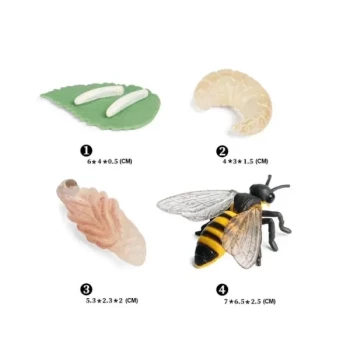
The significance of preparing new honey bee nuclei lies in establishing a strategic biological reserve. In commercial apiary management, this practice serves as a critical buffer against unpredictable colony mortality. It allows beekeepers to immediately replace dead or collapsed colonies—particularly following winter loss rates that often exceed 20-30%—ensuring the operation maintains its required population count through direct human intervention.
By maintaining a stockpile of healthy nuclei, apiaries transform colony loss from a potential crisis into a manageable operational expense. This proactive approach guarantees the stability of the total managed colony count, which is the foundational requirement for fulfilling agricultural pollination contracts.
Mitigating Biological Volatility
The Necessity of an Asset Reserve
Commercial beekeeping faces inherent biological risks, most notably the collapse of colonies due to environmental stressors or disease. Preparing new nuclei creates a biological asset reserve.
This reserve functions as an inventory of live replacement units. Instead of waiting for surviving colonies to slowly rebuild population naturally, the apiarist has immediate resources available to restore the apiary to full strength.
Countering High Winter Mortality
Winter is the most critical bottleneck for apiary survival, with loss rates frequently reaching 20-30% or higher.
Without a reserve of nuclei, these losses represents a direct reduction in production capacity for the coming season. The preparation of nuclei allows the apiary to absorb these high attrition rates without permanently shrinking the operation's scale.
Active Human Intervention
Reliability in a commercial setting cannot rely solely on natural reproductive cycles.
Preparing nuclei represents a shift toward active human intervention to stabilize colony numbers. This ensures that the recovery of the apiary is dictated by the management plan, not by the unpredictable variables of nature.
Operational Continuity and Standardization
Sustaining Pollination Commitments
The primary output for many commercial apiaries is essential agricultural pollination services.
These contracts require a guaranteed number of active hives. By utilizing prepared nuclei to rapidly backfill losses, apiaries ensure they can meet these service agreements without interruption, regardless of the severity of the previous winter.
Leveraging Standardized Infrastructure
To manage colonies effectively, modern apiaries rely on standardized Langstroth boxes as the core hardware.
These unified hive bodies provide the necessary growth space and management baseline. However, this hardware is only valuable if there is a biological unit to inhabit it. Nuclei preparation ensures that standardized equipment—whether single or double-story hive bodies—remains utilized rather than sitting empty due to colony collapse.
Common Pitfalls to Avoid
Over-Reliance on Stability
While nuclei provide a safety net, they treat the symptom (colony loss) rather than the root cause.
Beekeepers must not let the availability of replacement nuclei lead to complacency regarding pathogen dynamics or overwintering preparations. The goal is to use nuclei to maintain count, not to excuse poor management of the primary colonies.
Ignoring Standardization
When introducing new nuclei, consistency is key.
Failing to utilize standardized Langstroth equipment when deploying these nuclei can disrupt the uniformity of the apiary. Mixing equipment types makes it difficult to compare honey yields or pathogen loads across different groups, undermining the precision required for commercial management.
Making the Right Choice for Your Goals
- If your primary focus is Risk Management: Prioritize the creation of nuclei in late summer to specifically offset the anticipated 20-30% winter mortality rate.
- If your primary focus is Pollination Contracts: Treat your nuclei reserve as non-negotiable inventory; you must have enough "on the shelf" to guarantee your hive count never drops below contract minimums.
- If your primary focus is Research or Data: Ensure all nuclei are deployed into identical standardized hive bodies to maintain high comparability for evaluating survival rates and disease dynamics.
By integrating nuclei preparation into your workflow, you secure the biological continuity required to support mechanized production and long-term commercial viability.
Summary Table:
| Strategic Factor | Commercial Significance | Operational Benefit |
|---|---|---|
| Risk Mitigation | Offsets 20-30% winter mortality rates | Ensures apiary scale remains constant |
| Asset Reserve | Functions as biological inventory | Rapid replacement of collapsed colonies |
| Contract Security | Guarantees hive counts for pollination | Protects service agreements and revenue |
| Standardization | Utilizes Langstroth infrastructure | Optimizes equipment use and management |
| Management Control | Active human intervention | Reduces reliance on unpredictable natural cycles |
Scale Your Apiary Operations with HONESTBEE
Maintaining a robust biological reserve requires more than just bees—it demands high-quality, standardized infrastructure. At HONESTBEE, we specialize in supporting commercial apiaries and distributors by providing a comprehensive wholesale range of beekeeping tools and machinery.
Whether you need specialized hive-making machines to standardize your Langstroth inventory, honey-filling machines for your harvest, or high-volume industry consumables, we deliver the hardware that powers professional beekeeping. Ensure your operation is resilient and ready for the next season.
Contact us today to discuss your wholesale needs and see how our specialized equipment can enhance your apiary's efficiency.
References
- Francesco Nazzi, Francesco Pennacchio. Honeybee immunity and colony losses. DOI: 10.4081/entomologia.2014.203
This article is also based on technical information from HonestBee Knowledge Base .
Related Products
- Automatic Heat Preservation 6 Frame Pro Nuc Box for Honey Bee Queen Mating
- HONESTBEE Anatomy Bee Model Detailed Anatomical Display for Education and Study
- Honey Bee Lifecycle Model: A Detailed Honeycomb Display of Bee Development
- Honey Bee Life Cycle Model 4 Stage Educational Set for Kids Learning
- 4 Frame Plastic Nuc Boxes for Beekeeping Bee Nuc Box
People Also Ask
- What are the options for adding frames to a nuc after taking two frames from the parent colony?
- How are nuc boxes used in queen rearing? The Essential Tool for Reliable Queen Mating
- What steps are involved in transferring frames from the nuc box to the hive? A Guide for a Smooth, Low-Stress Colony Move
- What is the process for managing a new bee colony started in a nuc box? Expert Tips for Hive Success
- How long can bees be kept in a nuc box? Expert Timeline for Hive Transfer