Professional filtration is the definitive step that transforms raw extraction into a commercial-grade product. It serves the immediate, critical function of physically separating beeswax, organic debris, and impurities from crude honey to establish baseline purity and prevent significant quality downgrades.
The use of professional sieves is not merely about aesthetics; it is a preservation technique that stabilizes honey by removing organic contaminants that could trigger fermentation or accelerate crystallization, all while ensuring compliance with strict food safety regulations.
The Mechanics of Physical Separation
Removing Macroscopic Debris
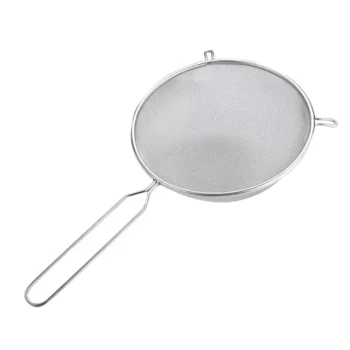
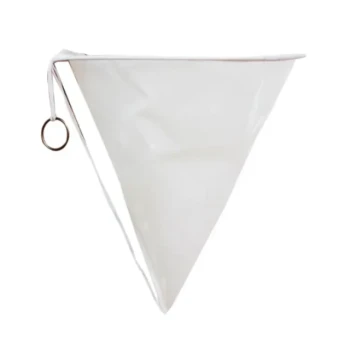
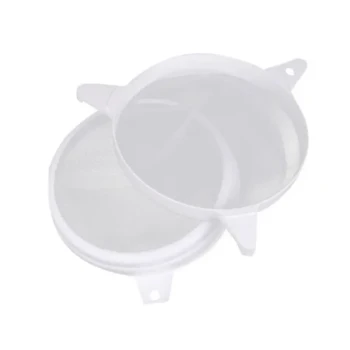
Raw honey extraction inherently introduces foreign matter into the product. Professional sieves and filter cloths are designed to mechanically arrest beeswax fragments, insect remains, and other suspended debris introduced during the harvest.
Multi-Stage Precision
High-quality systems often utilize multi-stage stainless steel meshes. This graduated approach allows for the removal of progressively smaller particles without subjecting the honey to excessive pressure or heat.
Ensuring Hygiene Standards
By removing these physical contaminants, you ensure the product meets the basic hygiene standards required for commercial sale. This is the first line of defense in moving from an agricultural raw material to a food-safe product.
Enhancing Product Stability and Longevity
Reducing Fermentation Risks
Residual organic matter, such as protein-heavy bee parts or wax, can harbor yeasts. Removing these elements through professional filtration significantly reduces the risk of microbial fermentation, which can spoil the honey's flavor and safety.
Delaying Crystallization
Suspended impurities act as "nucleation sites" where glucose crystals can begin to form. By removing minute physical particles, filtration slows the natural crystallization process, keeping the honey liquid and attractive for a longer period.
Market Standards and Sensory Quality
Optimizing Visual Clarity
Consumer perception is heavily influenced by the visual aspect of the product. Filtration enhances the transparency and clarity of the honey, making it visually appealing and preventing it from looking "dirty" or cloudy on the shelf.
Meeting Regulatory Compliance
Global standards, such as EU Council Directive 2001/110/EC, are strict regarding foreign matter. Professional equipment ensures compliance by removing prohibited foreign bodies while—crucially—retaining the natural pollen content that defines honey's botanical origin.
Understanding the Trade-offs
The Risk of Over-Processing
There is a critical distinction between filtering and "ultra-filtration." Standard professional sieves aim to remove debris but retain pollen. Over-filtering removes pollen, which can strip the honey of its unique character and potentially reclassify it legally as "filtered honey" rather than pure honey.
Maintenance and Flow Rate
High-precision cloths and meshes are prone to clogging, especially with viscous or wax-heavy honey. This requires a disciplined maintenance schedule to clean meshes and maintain flow rates without heating the honey effectively to force it through, which would damage heat-sensitive enzymes.
Making the Right Choice for Your Goal
To select the appropriate filtration method, you must define the end-state of your product:
- If your primary focus is Mass Market Retail: Prioritize finer mesh filtration to maximize clarity and delay crystallization for long shelf life.
- If your primary focus is "Raw" or Artisan Honey: Use coarser sieves to remove only large debris (wax/legs) while leaving fine particles and pollen completely intact.
- If your primary focus is Export Compliance: Ensure your filtration system is calibrated to remove all foreign organic matter (insect parts) without filtering out the botanical pollen required for origin certification.
Professional filtration is the balance point between raw authenticity and consumer safety.
Summary Table:
| Feature | Purpose | Impact on Honey Quality |
|---|---|---|
| Debris Removal | Eliminates wax, insect parts, and organic matter | Establishes baseline purity and food safety compliance. |
| Microbial Control | Reduces yeast-harboring organic contaminants | Lowers fermentation risk and extends shelf life. |
| Crystallization Delay | Removes nucleation sites (minute particles) | Keeps honey liquid and visually clear for longer periods. |
| Visual Clarity | Enhances transparency and golden aesthetic | Increases consumer appeal and marketability. |
| Pollen Retention | Uses calibrated mesh sizes (non-ultra-filtered) | Maintains botanical origin and "Pure Honey" classification. |
Elevate Your Honey Quality with HONESTBEE
Transition from raw extraction to premium, market-ready honey with professional-grade filtration solutions from HONESTBEE. As a leading partner for commercial apiaries and distributors, we provide a comprehensive wholesale range of beekeeping tools, high-precision filtration machinery, and essential consumables designed to meet strict global food safety standards.
Whether you need industrial honey-filling machines or specialized sieving hardware, our equipment ensures you maintain the perfect balance between raw authenticity and crystal-clear quality. Contact us today to optimize your processing line and discover how our expertise can grow your wholesale operations.
References
- Kinati Chala, Kebede Debele. Assessment of Honey Production and Marketing System in Gomma District, South Western Ethiopia. DOI: 10.15580/gjbms.2013.3.09071257
This article is also based on technical information from HonestBee Knowledge Base .
Related Products
- Nylon Honey Strainer Square Filter Cloth for Honey Filters
- Conical Nylon Honey Strainer Filter Bag for Beekeeping and Honey Filtration
- Professional Stainless Steel Honey Filter with Support Handle
- Stainless Steel Triangle Support Honey Strainer and Filters
- Professional Honey Filter with Tripod Support Stand
People Also Ask
- What is the simple straining method for processing honey? A Cost-Effective Guide to Pure Extraction
- What cloth for straining honey? The Best Materials for Clean, High-Quality Honey
- What size mesh to strain honey? A Guide to the Standard Double-Sieve Method
- Why is specialized filter cloth preferred over the traditional squeezing method for wild honey? Achieve Higher Purity
- What size mesh for straining honey? Master the Two-Stage System for Clean, Raw Honey