Operational composure and colony preservation are the primary reasons for utilizing protective equipment and bee brushes in modern apiculture. Protective gear ensures the operator can work with the necessary precision without fear of stings, while the bee brush allows for the gentle manipulation of the colony. Together, these tools shift beekeeping from a hazardous extraction process to a sustainable management practice that prioritizes the health of the hive.
Core Takeaway While often viewed strictly as safety gear for humans, the true value of protective equipment and bee brushes lies in minimizing stress on the colony. By removing the operator’s fear of injury, these tools enable calm, precise movements that protect individual bees, maintain population density, and ensure high-yielding, sustainable colonies.
The Strategic Role of Protective Gear
Protective equipment serves a dual purpose: it secures the safety of the operator and, by extension, ensures the safety of the bees.
Enabling Operator Precision
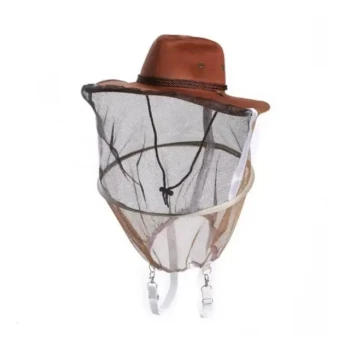
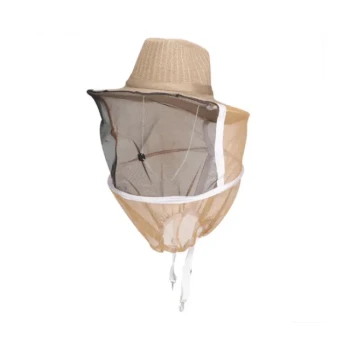
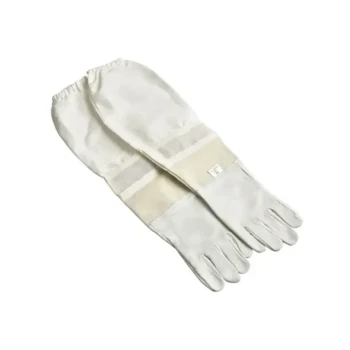
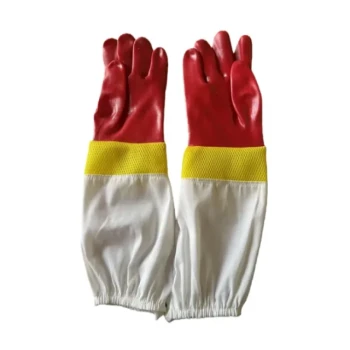
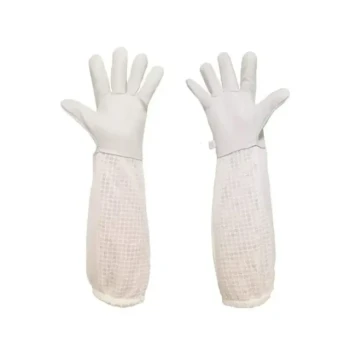
The primary function of items such as veils and gloves is to allow the beekeeper to maintain composure. When the risk of stings is mitigated, the operator avoids jerky or panicked movements that could agitate the hive.
Facilitating Detailed Inspections
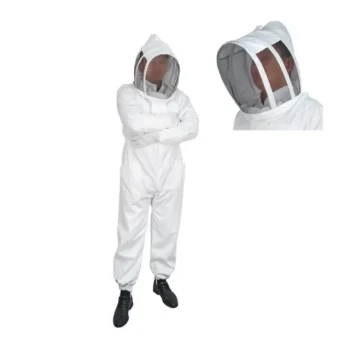
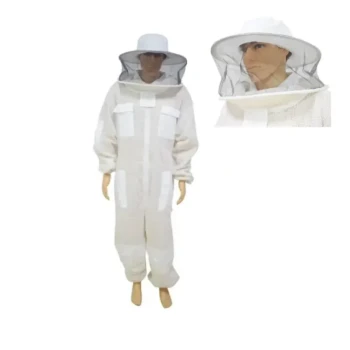
Modern protective suits act as a comprehensive physical barrier. This security allows beekeepers to perform extended, detailed inspections of the hive structure rather than rushing through the process.
Preventing Destructive Harvesting
Without adequate protection, operators might resort to "smash and grab" or destructive harvesting methods to minimize their exposure time. Proper gear enables a transition to scientific husbandry, where frames are inspected and honey is extracted without destroying the colony structure.
The Function of the Bee Brush
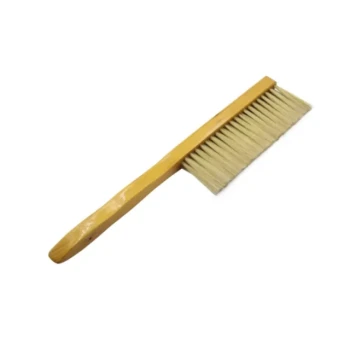
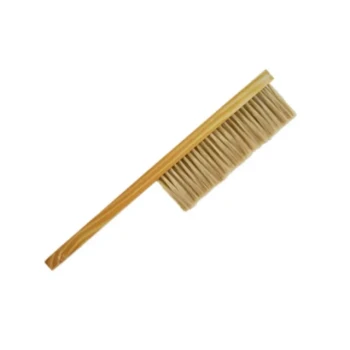
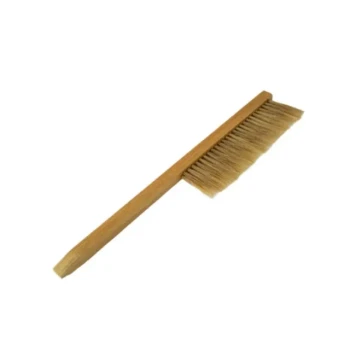
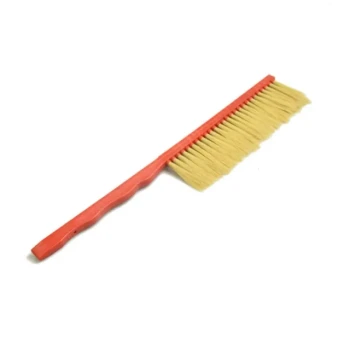
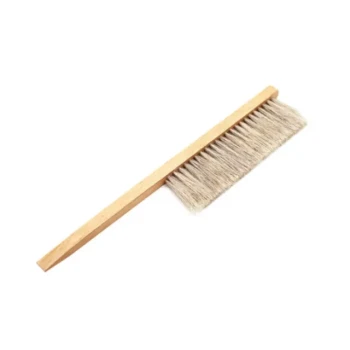
The bee brush is a precision instrument designed to manage the colony at the micro-level.
Protecting Individual Bees
The brush is specifically engineered to remove bees from combs or delicate areas, such as queen cells, without causing injury. Unlike shaking a frame, which can be violent, brushing is a controlled action.
Maintaining Population Density
Every bee injured during an inspection represents a loss in the colony's productive capacity. By using a brush to gently move bees rather than crushing them, you preserve the population density required for a high-yielding colony.
Minimizing Hive Stress
Rough handling triggers a stress response in the hive, which can interrupt productivity and foraging. The gentle application of a bee brush minimizes this disturbance, keeping the colony calm and focused on resource gathering.
Common Pitfalls to Avoid
Even with the right equipment, misuse or misunderstanding of the tools can lead to suboptimal results.
The Trade-off of Speed vs. Care
A common mistake is sacrificing care for speed. Using a bee brush requires more patience than simply shaking bees off a frame, but this time investment is critical for preventing injury to the queen and workers.
Ignoring Biosecurity Risks
While gear protects the user, it can also transmit pathogens between hives. It is essential to view tools like hive scrapers and brushes as potential vectors; failing to clean them risks spreading diseases that can lead to colony collapse.
Over-reliance on Protection
Wearing a suit should not encourage reckless behavior. The goal of the gear is to facilitate gentle precision, not to allow the operator to ignore the bees' temperament or defensive signs.
Making the Right Choice for Your Goal
Selecting and using the right equipment depends on your specific objectives in the apiary.
- If your primary focus is High Yield: Prioritize the use of a bee brush to prevent injury to workers, as maintaining maximum population density is directly linked to production capacity.
- If your primary focus is Colony Longevity: Invest in comprehensive protective gear that allows you to perform slow, low-stress inspections that do not trigger defensive responses in the hive.
- If your primary focus is Disease Management: Ensure your tools, including scrapers and brushes, are durable enough to withstand frequent cleaning to act as a biosecurity barrier.
True proficiency in beekeeping is achieved when your equipment allows you to treat the colony not as a target for extraction, but as a delicate biological asset to be preserved.
Summary Table:
| Tool Type | Primary Function | Impact on Colony Health | Operational Benefit |
|---|---|---|---|
| Protective Gear | Safety & Barrier | Reduces agitation by enabling calm movements | Allows for detailed, unhurried hive inspections |
| Bee Brush | Gentle Displacement | Minimizes physical injury to workers and queens | Preserves population density and productivity |
| Biosecurity Tools | Pathogen Control | Prevents the spread of disease between hives | Ensures long-term apiary sustainability and health |
Elevate Your Commercial Apiary with HONESTBEE
Maximize your hive productivity and ensure the highest standards of colony welfare with professional-grade equipment. At HONESTBEE, we specialize in supporting commercial apiaries and distributors with a comprehensive wholesale portfolio.
From durable protective suits and precision bee brushes to advanced honey-filling machines and hive-making hardware, we provide the full spectrum of tools needed to scale your operations. Partner with us to access high-quality industry consumables and specialized machinery designed for efficiency and long-term growth.
Ready to upgrade your equipment? Contact us today to explore our wholesale solutions!
References
- Md Ektarul Islam, Faruki Shabia Maraj. Foraging behavior and honey production of Apismellifera L.. DOI: 10.3329/ajmbr.v1i2.25630
This article is also based on technical information from HonestBee Knowledge Base .
Related Products
- Wooden Bee Brush with Triple Row Artificial Fiber for Beekeeping
- Double Row Artificial Fiber Bee Brush for Beekeeping
- Classic Wooden Bee Brush with Double-Row Boar Bristles
- Plastic Handle Single Row Artificial Fiber Bee Brush
- Wooden Bee Brush with Double-Row Horsehair Bristles
People Also Ask
- What is the specific function of a bee brush? Ensure Pure Harvests and Colony Welfare During Honey Extraction
- What are the key characteristics of the bristles on a bee brush? Master Gentle and Efficient Bee Removal
- What is the purpose of using a bee brush during the inspection of hive components? Safe & Precise Hive Management
- What problem does a bee brush solve? Protect Your Colony with Gentle Precision Tools
- Why is a bee brush necessary when extracting honeybee hive frames that contain larvae? Protect Your Brood and Colony