The significance of utilizing standardized hive-making machinery lies in its ability to produce hives with absolute physical uniformity, which is the baseline requirement for modern habitat management. By ensuring every hive component meets identical specifications, this machinery enables precise colony tracking, creates a controlled environment that mimics natural ecology, and allows for the strict maintenance of genetic purity within isolated breeding zones.
Core Takeaway
Standardization is not merely a manufacturing preference; it is a biological control mechanism. Utilizing precise machinery to create uniform habitats transforms beekeeping from a variable craft into a manageable science, allowing for the rigorous control of genetic lines and the consistent collection of data across colonies.
The Foundation of Colony Management
Precision in Genetic Management
The most critical application of standardized hive machinery is in the maintenance of genetic purity. By producing identical housing structures, apiarists can establish isolated breeding zones with zero variance in physical habitat.
This uniformity eliminates structural variables that could otherwise impact colony behavior or health. It ensures that the genetic traits observed are a result of the bee's lineage, not an adaptation to an irregular hive structure.
Facilitating Colony Tracking
Standardized machinery creates hives that allow for the precise registration of colony locations. When every hive footprint and dimension is identical, mapping and tracking systems can be implemented with high accuracy.
This is essential for long-term habitat management. It allows managers to monitor specific lineages and colony health histories without the logistical chaos caused by mismatched equipment.
Controlled Ecological Mimicry
While the machinery is industrial, the goal is biological support. Accurately machined hives provide a controlled environment that mimics natural ecology while remaining accessible for human intervention.
Unlike irregular natural cavities, these standardized environments are designed to balance the bees' instinctual nesting needs with the apiarist's need for maintenance. This balance is vital for sustaining healthy populations in a managed setting.
Operational and Scientific Efficiency
Interchangeability and Biosecurity
Machinery-produced components offer perfect interchangeability. In a commercial setting, this means frames, bodies, and covers can be swapped between colonies without gaps or misfits.
This precision enhances biosecurity. Tight, standardized fits prevent pests and robbers from entering through structural flaws, reducing the spread of disease and maintaining the colony's internal integrity.
Research and Reproducibility
For scientific applications, standardized hives are non-negotiable for ensuring data reproducibility. When conducting bioassays or behavioral research, the environment must be a constant variable.
Standardized machinery ensures that researchers can eliminate external environmental interferences. This guarantees that data regarding attractant activity or physiological states reflects the biology of the bee, not the inconsistencies of the woodwork.
Logistics and Migratory Capability
Uniformity is the key enabler of migratory beekeeping. Standardized hives stack securely and fit efficiently onto transport vehicles.
This allows colonies to be moved rapidly to align with seasonal blooms. Furthermore, the structural consistency ensures a stable internal microclimate during transport, improving overwintering survival rates.
Understanding the Trade-offs
Initial Capital vs. Long-term Gain
Implementing high-precision hive-making machinery requires a significant upfront investment compared to manual construction or sourcing varied equipment.
However, relying on manual or non-standardized methods introduces cumulative inefficiencies. Inconsistent equipment leads to "burr comb" (unwanted wax bridges), crushed bees during inspections, and an inability to share resources between hives.
Rigidity of the System
Standardization imposes a rigid framework. While this is beneficial for management, it requires the apiarist to adhere strictly to specific equipment standards (e.g., Langstroth or Dadant).
Switching standards later becomes difficult and costly. Therefore, the choice of the initial "standard" produced by the machinery is a critical strategic decision that locks the apiary into a specific management style.
Making the Right Choice for Your Goal
To leverage standardization effectively, align your machinery choice with your primary operational objective:
- If your primary focus is Genetic Preservation: Prioritize machinery that produces high-tolerance components to ensure total isolation and prevent cross-contamination in breeding zones.
- If your primary focus is Commercial Production: Focus on machinery that guarantees high-volume output and part interchangeability to maximize extraction workflow and transport efficiency.
- If your primary focus is Scientific Research: Utilize machinery that strictly adheres to international standards (such as European models) to ensure your data is comparable with global studies.
True habitat management begins when variables are controlled, and precise machinery provides the constant that makes that control possible.
Summary Table:
| Key Feature | Benefit for Habitat Management | Impact on Operations |
|---|---|---|
| Physical Uniformity | Eliminates habitat variables for better genetic tracking | Enables perfect interchangeability of components |
| Structural Precision | Mimics natural ecology while preventing pests/robbers | Enhances biosecurity and reduces disease spread |
| Standardized Dimensions | Ensures data reproducibility for scientific research | Optimizes logistics and migratory transport |
| High-Tolerance Fits | Prevents "burr comb" and protects bee health | Streamlines hive inspections and maintenance |
Elevate Your Apiary with HONESTBEE Precision
At HONESTBEE, we empower commercial apiaries and distributors with the specialized machinery needed to transform beekeeping into a precise science. From automated hive-making equipment to high-efficiency honey-filling machines, our comprehensive wholesale portfolio provides the tools required for absolute standardization.
Whether you are focusing on genetic preservation or large-scale honey production, our hardware ensures your colonies thrive in a controlled, professional environment. Partner with us today to access the industry's most reliable beekeeping tools and equipment—let’s build a more efficient future for your business together.
References
- Shairra SA. The Rapid Disappearance of the National Bee in Egypt is a Phenomenon Whose Causes Could be Solved. DOI: 10.23880/izab-16000331
This article is also based on technical information from HonestBee Knowledge Base .
Related Products
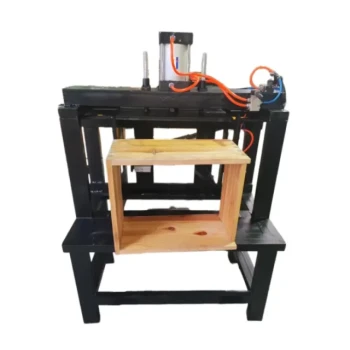
- High-Efficiency Pneumatic Bee Hive Making Machine for Rapid Box Assembly
- Mini Desktop Bee Hive Frame Forming Making Machine
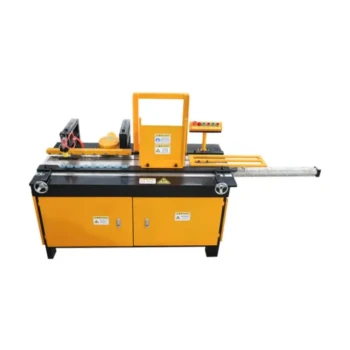
- Beehive Handle and Frame Rest Cutting Machine: Your Specialized Hive Machine
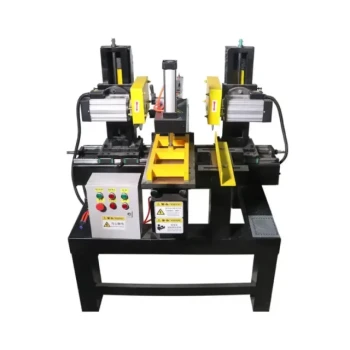
- Beehive Machine Double End Saw for Precision Hive Component Manufacturing
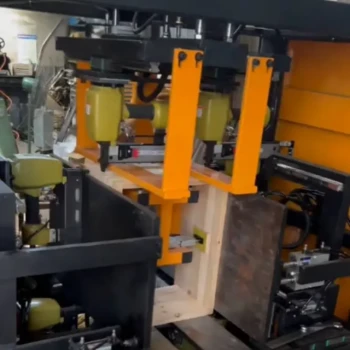
- Automatic High-Speed Bee Hive Box Stapling Machine
People Also Ask
- How does the introduction of professional beehive-making machinery benefit sustainable beekeeping? Scale Your Apiary
- Why is specialized beehive-making machinery critical for low-defense breeding? Enhance Selection with Precision Tools
- How does the introduction of specialized beehive making machinery contribute to increasing the scale of regional beekeeping industries?
- What is the importance of specialized beehive making machinery in a circular bio-economy? Build Local Sustainability
- Why is specialized beehive-making machinery essential? Scale Your Apiary with Precision Industrial Standards