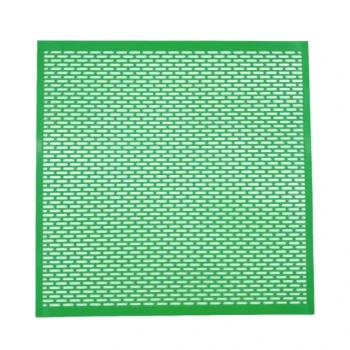
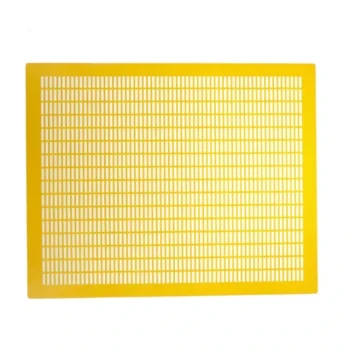
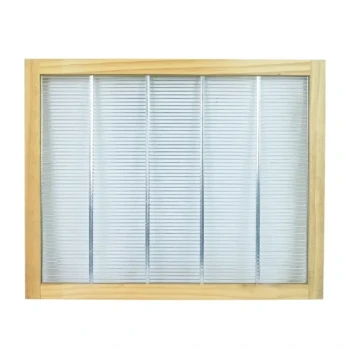
A Queen Excluder functions as a precise mechanical filter designed to enforce a physical boundary within the beehive. It operates by placing a grid—typically made of metal or plastic—between the brood nest and the honey storage areas (supers), utilizing specific spacing that allows smaller worker bees to pass while blocking the larger queen bee. This ensures that the queen cannot enter the upper sections to lay eggs, guaranteeing that harvested honey remains free of larvae and biological contaminants.
The core function of a Queen Excluder is to segregate the hive's reproductive activities from its food storage. By strictly confining the queen to the brood chamber, it safeguards the purity of the commercial honey product and prevents "brood contamination" in the harvest zone.
The Mechanics of Hive Separation
Leveraging Anatomical Differences
The excluder relies entirely on the physical size difference between bee castes. The grid spacing is engineered—often around 4.2 millimeters—to be the exact threshold between a worker bee and a queen.
Selective Permeability
Worker bees, which are responsible for foraging and storing nectar, possess smaller thoraxes that fit easily through the grid. They can move freely between the lower hive and the upper supers to deposit nectar.
The Barrier Effect
The queen bee (and the male drones) have larger thoraxes that cannot fit through the openings. This creates a selective barrier that physically restricts the queen to the lower brood boxes without inhibiting the flow of resources by the workforce.
Ensuring Product Quality
Elimination of Brood Contamination
The primary quality control objective is preventing the queen from laying eggs in honey frames. Without an excluder, a queen may move upward and turn honey storage combs into a brood nest.
Guaranteeing Honey Purity
Commercial honey quality relies on purity. By keeping the supers free of eggs and developing larvae, the beekeeper ensures the extraction process yields only clean honey, unadulterated by protein or brood waste.
Optimizing the Ripening Environment
Separating the chambers creates a dedicated environment for honey processing. Supplementary data suggests this separation provides an undisturbed area for worker bees to dehydrate and ripen the honey, leading to a higher quality final product.
Understanding the Operational Trade-offs
Strict Confinement
While beneficial for honey purity, the excluder effectively confines the queen to a specific volume of the hive (usually the bottom one or two boxes). This restricts her laying pattern to that specific zone, regardless of her potential fecundity.
Drone Restriction
It is important to note that the excluder also blocks drones (male bees) due to their large size. If drones are hatched above the excluder or trapped there during inspection, they cannot exit the hive to mate or defecate, which can complicate hive management.
Making the Right Choice for Your Goal
To effectively utilize a Queen Excluder for quality control, consider your specific operational targets:
- If your primary focus is Commercial Purity: Implement excluders immediately above the brood nest to guarantee zero larval contamination in your extraction frames.
- If your primary focus is Colony Management: Use the excluder to standardize your hive architecture, keeping the "nursery" permanently separated from the "pantry."
By mechanically enforcing the division of labor, the Queen Excluder transforms a chaotic biological colony into a structured production unit.
Summary Table:
| Feature | Function | Impact on Quality Control |
|---|---|---|
| Grid Spacing (~4.2mm) | Mechanically filters bees by anatomical size | Prevents the queen from laying eggs in honey supers |
| Selective Permeability | Allows worker bees to pass through | Ensures nectar transport while blocking larger drones/queens |
| Hive Segregation | Separates the brood nest from the pantry | Eliminates larval waste and protein from the honey harvest |
| Ripening Environment | Creates a dedicated zone for honey storage | Provides an undisturbed area for bees to dehydrate nectar |
Elevate Your Production Efficiency with HONESTBEE
As a strategic partner for commercial apiaries and distributors, HONESTBEE understands that purity is the foundation of market success. We offer a comprehensive wholesale portfolio designed to professionalize your operations, including precision-engineered queen excluders and a full spectrum of beekeeping tools and machinery.
Whether you need industrial-grade honey-filling machines, specialized hive-making hardware, or high-demand consumables, HONESTBEE provides the technical equipment necessary to scale your business. Our offerings even extend to unique honey-themed cultural merchandise to help distributors diversify their range.
Ready to optimize your harvest quality? Contact our team today to discuss wholesale solutions and custom equipment packages.
References
- Asmiro Abeje, Lijalem Abebaw. Adoption and intensity of modern bee hive in Wag Himra and North Wollo zones, Amhara region, Ethiopia. DOI: 10.51599/are.2017.03.01.01
This article is also based on technical information from HonestBee Knowledge Base .
Related Products
- High Performance Plastic Queen Excluder for Beekeeping and Apiary Management
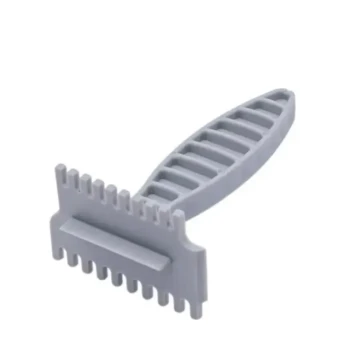
- Lightweight Durable Plastic Queen Excluder Scraper for Beekeeping
- Professional Plastic Queen Excluder for Modern Beekeeping
- Metal Queen Bee Excluder for Beekeeping
- Premium Wood Framed Metal Wire Queen Bee Excluder
People Also Ask
- What are the characteristics of a plastic queen excluder? Key Benefits for Cost-Effective Beekeeping
- What are the operational and cost advantages of using plastic queen excluders over metal or wire excluders in commercial hive management? Discover how they reduce labor, prevent wing damage, and lower total costs.
- What types of queen excluders are available for beekeepers? Choose the Right Tool for Your Hive
- Why are standardized hive frames and queen excluders essential for maintaining honey purity and quality? Scale Your Purity
- Do plastic queen excluders work? A Cost-Effective Solution for Modern Apiaries