To mechanically clean hive frames, you must follow a systematic process of removing organic buildup using a knife, a hive tool, and smaller precision tools. The procedure begins by cutting out the old comb and concludes with meticulous scraping of wax and propolis from the frame's crevices to ensure it is ready for new foundation.
Mechanical cleaning is a critical step in equipment maintenance that goes beyond simple aesthetics. By stripping the frames down to the bare wood, you eliminate hiding spots for pests and prepare the components for proper storage or immediate reuse.
Removing the Bulk Material
Cutting Out the Comb
The first step in the reclamation process is to remove the large mass of wax and honey. Use a knife to cut the entire section of comb out of the frame. This exposes the interior surfaces of the wood for deeper cleaning.
Scraping the Frame Surfaces
Once the comb is removed, significant residue will remain on the wood. Use your hive tool to vigorously scrape away the remaining wax, burr comb, and propolis. Focus on the top and bottom bars where buildup tends to be heaviest.
Cleaning the Structural Components
Handling the Removable Wedge
Most frames feature a removable wedge piece that secures the foundation. Use your hive tool to carefully pry this wedge up. Once removed, scrape the wedge piece itself until it is free of wax and propolis.
Clearing the Bottom Groove
The bottom groove is often packed with old wax and debris, which can prevent new foundation from sitting correctly. Use a small flathead screwdriver to gouge out this material. Ensure you remove debris from all nooks and crannies within this channel.
Unclogging the Pinholes
The side bars of the frames contain small holes used for wiring. These often become clogged with propolis or wax over time. Use a pick to clear these pinholes, ensuring they are open for future wiring if necessary.
Common Pitfalls to Avoid
Overlooking Detail Work
It is tempting to stop after the general scraping, but skipping the detail work is a mistake. If the bottom groove is not perfectly clean, your new foundation will not seat properly, leading to warped comb later.
Incomplete Sanitation
Mechanical cleaning removes physical debris, but it does not sterilize the equipment. While scraping prevents pest problems during storage, it does not kill bacterial spores. Mechanical cleaning is the preparation step, not the sterilization step.
Making the Right Choice for Your Goal
Mechanical cleaning requires effort, so it is important to align your labor with your objectives.
- If your primary focus is preparing for new foundation: Prioritize clearing the bottom groove and wedge, as any debris here will physically obstruct the assembly process.
- If your primary focus is disease prevention: Ensure you scrape all propolis and burn the waste, as this removes the biological material where pathogens often reside.
Thorough mechanical cleaning extends the life of your woodenware and ensures your bees have a precise, well-structured environment for their next season.
Summary Table:
| Step | Action | Tools Required | Key Benefit |
|---|---|---|---|
| 1. Comb Removal | Cut out old comb and bulk material | Knife | Exposes frame surfaces for cleaning |
| 2. Surface Scraping | Remove wax and propolis from bars | Hive Tool | Eliminates pest hiding spots |
| 3. Wedge Cleaning | Pry and scrape the removable wedge | Hive Tool | Allows for secure foundation placement |
| 4. Groove Clearing | Gouge out debris from bottom channel | Flathead Screwdriver | Ensures new foundation seats correctly |
| 5. Pinhole Clearing | Unclog wiring holes in side bars | Pick / Wire Tool | Prepares frame for rewiring |
Maximize Your Apiary Productivity with HONESTBEE
Maintaining a commercial apiary requires more than just manual cleaning; it requires professional-grade tools and efficient machinery. At HONESTBEE, we specialize in supporting commercial apiaries and distributors with a comprehensive range of high-quality beekeeping equipment.
Whether you need precision hive-making machinery, industrial honey-filling machines, or a bulk supply of essential beekeeping consumables, we provide the hardware and expertise to scale your operations. Let us help you streamline your maintenance and production cycles with tools designed for durability and performance.
Ready to upgrade your equipment? Contact HONESTBEE Today for Wholesale Solutions
Related Products
- Precision Stainless Steel Frame Cleaner for Hive Grooves and Corners
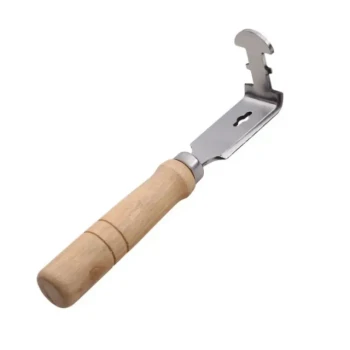
- Professional Stainless Steel Frame Cleaner with Ergonomic Wood Handle
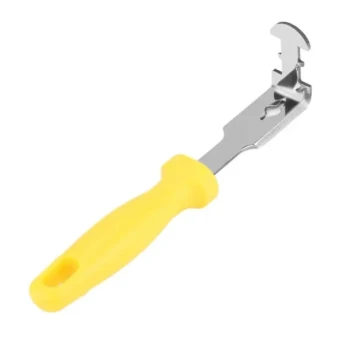
- Heavy Duty Stainless Steel Frame Cleaner with Plastic Handle
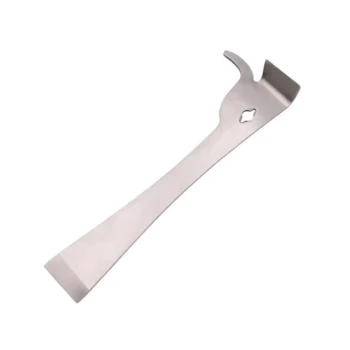
- Professional Multi-Function Stainless Steel Hive Tool
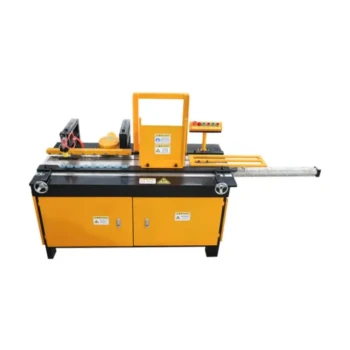
- Beehive Handle and Frame Rest Cutting Machine: Your Specialized Hive Machine
People Also Ask
- What tools are recommended for cleaning hive frames? Top 4 Essential Maintenance Tools for Beekeepers
- What is the function of a professional stainless steel hive tool in IFB? Optimize Your Colony Strength Assessment
- What are the primary functions of a stainless steel hive tool? Essential Equipment for Professional Beekeeping
- What are the primary functions of a stainless steel hive tool? Essential Tips for Efficient Apiary Maintenance
- Which technical challenges in hive maintenance are addressed by using a professional stainless steel hive tool?