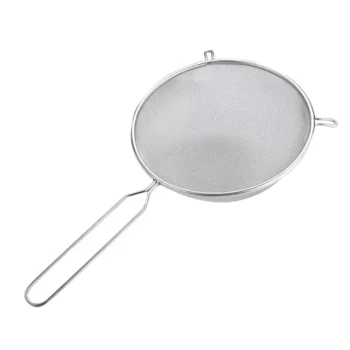
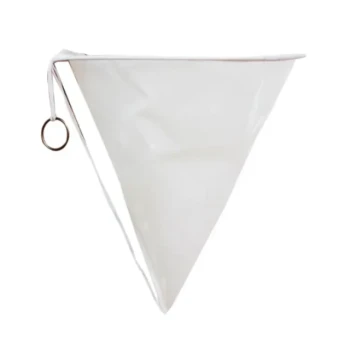
Fine-mesh nylon or metal filters serve as the primary mechanical intervention for separating solid particulate matter from liquid honey. Utilizing a specific pore size—typically ranging from 0.1 to 0.2 mm—these filters physically intercept wax debris, pollen clusters, and insect fragments while permitting the viscous liquid to pass through.
The core function of these filters is to balance visual clarity with botanical integrity. They remove visible contaminants to meet hygiene and sensory standards, yet are calibrated to allow microscopic pollen grains—essential for the honey's nutritional profile and floral identity—to remain in the final product.
The Mechanics of Physical Purification
Precision Pore Sizing
The technical efficacy of the filtration process relies on the specific calibration of the mesh. Filters generally utilize a pore size between 0.1 and 0.2 mm.
This precise dimension acts as a physical barrier. It is small enough to capture macroscopic solids but large enough to accommodate the flow of viscous honey without requiring excessive pressure or heat.
Target Impurities
The primary role of the filter is to remove foreign matter introduced during the extraction process. This includes beeswax residues, larval debris, bee parts, and accidental plant tissue.
By removing these solids, the filters prevent the introduction of "background noise" in microscopic analysis and reduce the risk of crystallization nuclei that can shorten shelf life.
Removal of Pollen Clusters
While single pollen grains are desirable, pollen clusters (agglomerations of pollen) are often filtered out. The primary reference indicates that the 0.1–0.2 mm mesh is effective at intercepting these larger clusters alongside other solid impurities.
Removing these clusters contributes to a smoother texture and a more transparent visual appearance.
Enhancing Quality and Marketability
Achieving Sensory Clarity
Consumers and international markets generally demand honey that is clear and free of visible sediment. Fine-mesh filtration ensures the final product is transparent and visually appealing.
This step allows producers to meet stringent sensory quality standards required for commercial distribution.
Hygiene and Shelf Life
Filtration is a critical hygiene control point. By removing organic debris such as bee remains or larval fragments, the process significantly reduces the potential for bacterial spoilage or fermentation associated with impurities.
Cleaner honey generally possesses a more stable shelf life, maintaining its value as a functional food product.
Understanding the Trade-offs
Flow Rate vs. Filtration Efficiency
There is an inherent tension between the fineness of the mesh and the speed of processing. Tighter meshes (closer to 0.1 mm) produce clearer honey but significantly restrict flow, often creating a bottleneck in the production line.
Risk of Clogging
Fine-mesh nylon or metal filters are prone to rapid clogging, particularly when processing honey with high wax content. This necessitates frequent cleaning or the use of multi-stage filtration systems (coarse followed by fine) to prevent pressure buildup.
The "Ultra-Filtration" Boundary
It is critical to distinguish standard fine-mesh filtration from ultra-filtration. Standard filtration (using the 0.1–0.2 mm range) removes debris but retains beneficial microscopic pollen.
If the mesh becomes too fine, it risks stripping the honey of its botanical identity and bioactive components, effectively turning it into simple syrup rather than raw honey.
Making the Right Choice for Your Goal
To select the appropriate filtration strategy, you must define your end-product requirements:
- If your primary focus is Commercial Marketability: Prioritize 0.1 to 0.2 mm filters to ensure maximum visual transparency and shelf stability by removing all wax and pollen clusters.
- If your primary focus is "Raw" or Medicinal Certification: Ensure your filter mesh is calibrated to retain individual pollen grains while only removing gross contaminants, preserving the bioactive profile.
Effective filtration is not just about cleaning honey; it is about refining the product to meet commercial standards without stripping away its natural essence.
Summary Table:
| Technical Aspect | Specification / Function | Key Benefit |
|---|---|---|
| Pore Size | 0.1 mm to 0.2 mm | Balances flow rate with debris removal |
| Target Impurities | Wax, bee parts, larval debris | Ensures sensory clarity and hygiene |
| Pollen Management | Retains single grains, removes clusters | Preserves botanical identity & nutrition |
| Crystallization | Removes nucleation points | Extends shelf life and liquid stability |
| Material Options | Nylon or Stainless Steel | Durable, food-grade mechanical intervention |
Elevate Your Honey Production with HONESTBEE
As a dedicated partner to commercial apiaries and global distributors, HONESTBEE understands that professional filtration is the bridge between raw harvest and premium marketability. We provide a comprehensive wholesale range of high-performance beekeeping tools, from precision stainless steel filtration systems to industrial-scale honey-filling machinery and specialized hive-making equipment.
Whether you are scaling your extraction line or sourcing essential consumables for a distribution network, our expertise ensures you maintain the perfect balance of visual clarity and botanical integrity.
Ready to optimize your honey processing efficiency? Contact HONESTBEE Today for Wholesale Solutions
References
- Abideen Abiodun Alarape, P. E. Arira. Survey of Apicultural Practices in Ibadan, Oyo State, Nigeria. DOI: 10.22161/ijeab.51.11
This article is also based on technical information from HonestBee Knowledge Base .
Related Products
- Professional Stainless Steel Honey Filter with Support Handle
- Nylon Honey Strainer Square Filter Cloth for Honey Filters
- Conical Nylon Honey Strainer Filter Bag for Beekeeping and Honey Filtration
- Professional Stainless Steel Honey Filtering Machine with Water Bath Heating for Beekeeping
- Stainless Steel Triangle Support Honey Strainer and Filters
People Also Ask
- Why are stainless steel filters essential during the initial purification phase of honey processing? Ensure Purity
- What are the benefits of using a high-quality honey filter? Elevate Purity and Preserve Natural Flavor
- What is the primary purpose of honey filters? Achieve Professional Clarity & Pure Honey Quality
- What micron filter should I use for honey? Choose the Right Filter for Sales or Competitions
- Why do people filter honey? For Clarity, Stability, and Consumer Appeal