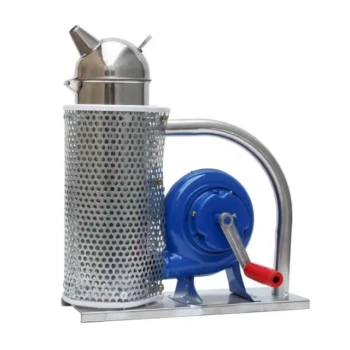
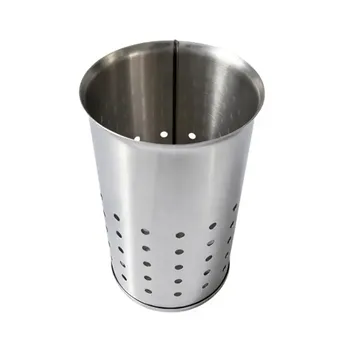
The technical function of smoking techniques involves using smoke as a non-lethal physical intervention to modulate honey bee behavior during harvesting. By deploying torches or specialized smokers, the harvester introduces smoke to induce a temporary sedative state or prompt the bees to temporarily vacate the hive, allowing for rapid extraction.
The core utility of smoke lies in its ability to mask alarm pheromones. This chemical interruption breaks the colony’s defensive chain reaction, significantly reducing the risk of stings and minimizing social disruption during the harvest.
Mechanisms of Action
Disruption of Chemical Communication
The primary technical function of smoke is the interruption of alarm pheromone transmission. When a colony perceives a threat, guard bees release volatile chemicals to alert the hive. Smoke particles mask these signals, effectively blinding the colony's defensive alert system and preventing a coordinated aggressive response.
Inducing a Sedative State
Smoke triggers a physiological response often likened to a reaction to a forest fire. This creates a temporary sedative effect where bees may prioritize feeding or gorging on honey over defense. This distraction significantly lowers the general aggression level of the colony.
Tactical Evacuation
Beyond sedation, smoke can prompt bees to leave the immediate area or the hive entirely for a short period. This physical displacement clears the workspace, allowing the harvester to access honey supers without navigating a dense cloud of defensive bees.
Operational Efficiency
Reducing Biological Risk
By lowering aggression, smoking techniques reduce the absolute requirement for heavy personal protective equipment. This allows the harvester to work with greater dexterity and comfort, specifically when accessing hives positioned at difficult heights.
Accelerating the Harvest Timeline
The application of smoke allows the extraction process to be completed in a short timeframe. Because the bees are pacified or displaced, the harvester can remove honey quickly without pausing to manage swarming behavior.
Preserving Colony Stability
Proper smoking minimizes the level of social disruption within the colony. By avoiding a full-scale defensive war, the colony returns to normal operations faster after the intervention, minimizing stress on the bees.
Understanding the Trade-offs
The Importance of "Cool Smoke"
While the primary reference notes the use of torches, supplementary data highlights the superiority of professional smokers that produce cool smoke. Hot smoke can singe wings and harm bees. The technical goal is volume and obscuration, not heat; cool smoke maximizes pheromone disruption without causing physical damage to the insect.
Controlled Application
Smoke must be applied in controlled amounts. The objective is to mask signals, not to suffocate the colony. Over-use can lead to excessive stress or contamination, whereas precise application ensures the stability of the colony is maintained during maintenance or harvesting.
Making the Right Choice for Your Goal
- If your primary focus is safety and sting prevention: Prioritize the disruption of alarm pheromones by applying smoke immediately upon opening the hive to break the defensive signaling chain.
- If your primary focus is speed and efficiency: Use smoke to induce tactical evacuation, clearing the specific frames you intend to harvest to minimize physical interference.
Mastering the use of smoke transforms harvesting from a battle against the colony into a managed, low-stress technical procedure.
Summary Table:
| Technical Mechanism | Function & Impact | Primary Benefit |
|---|---|---|
| Pheromone Masking | Interrupts alarm signal transmission | Prevents colony-wide aggressive response |
| Physiological Sedation | Induces honey gorging behavior | Lowers individual bee aggression levels |
| Tactical Evacuation | Prompts bees to clear specific areas | Enables faster frame removal and access |
| Social Stabilization | Minimizes long-term hive disruption | Ensures quick return to normal operations |
Elevate Your Beekeeping Operations with HONESTBEE
As a professional in the industry, you know that the right tools make the difference between a stressful harvest and a seamless one. HONESTBEE specializes in supporting commercial apiaries and distributors with high-performance beekeeping machinery and essential consumables.
From advanced honey-filling machines to durable hive-making hardware and premium smoking tools, our comprehensive wholesale portfolio is designed to enhance your efficiency and scale your business.
Ready to upgrade your equipment or stock your distribution line?
Contact HONESTBEE Today to discover how our tailored beekeeping solutions can drive your success.
References
- Neha Negi, Jagmohan Jagmohan. Traditional beekeeping in the Hilly districts of Himachal Pradesh in North Western Himalayas with Apiscerana. DOI: 10.33545/26180723.2025.v8.i4a.1725
This article is also based on technical information from HonestBee Knowledge Base .
Related Products
- Stainless Steel Honey Bee Smoker Hive and Honeycomb Smoker for Beekeeping
- Galvanized Beekeeping Smoker for Honey Bee and Apiculture
- Economy Galvanized Beekeeping Honey Bee Smoker for Wholesale
- Professional Bee Smoker with Elongated Spout and Durable Bellows for Beekeeping
- Heavy Duty Manual Bee Smoker Blower for Beekeeping
People Also Ask
- What are bee smokers made out of? Choose the Right Material for Your Apiary
- Why is a stainless steel bee smoker considered indispensable? Master Hive Management with Cool Smoke Technology
- What type of bee smoker is recommended for a beginner? Top Picks for Easy Hive Management
- When should you add more fuel to the bee smoker? Watch for This Critical Smoke Signal
- What is the best material for a bee smoker? Choose the Right Fuel for a Calm Hive