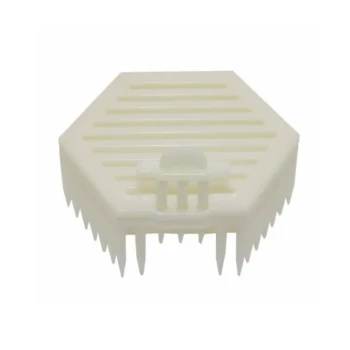
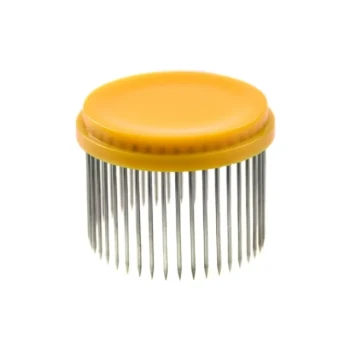
The feeding compartment and access channel in a queen bee cage function as a high-precision, time-release mechanism designed to regulate pheromone distribution. This specialized architecture ensures a gradual transition between the queen and the colony, preventing aggressive rejection and increasing the successful introduction rate to a documented 90% to 95%.
This design serves as a protective biological buffer, using a physical barrier and a consumable candy plug to synchronize the colony’s acceptance with the queen's pheromone output. It transforms a high-risk biological event into a controlled, predictable process for commercial beekeeping operations.
The Engineering of a Controlled Release
Pheromone Saturation and Adaptation
The primary technical hurdle in queen introduction is the colony's natural aggression toward unrelated queens. The access channel prevents immediate physical contact while allowing the queen's pheromones to circulate through the hive’s atmosphere. This period of "scent-acclimation" is vital for the resident worker bees to transition from a defensive posture to an accepting one.
The Role of the Consumable Candy Plug
The feeding compartment is typically filled with "queen candy," which serves as both sustenance and a time-release lock. Before the resident bees can reach the queen, they—and the queen's attendants inside—must consume the candy from opposite sides. This process typically spans two to three days, ensuring the colony is sufficiently saturated with the new pheromones before the physical barrier is removed.
Protection During High-Stress Transit
Beyond introduction, these compartments provide essential hydration and nutrition for the queen and her host bees during long-distance shipping. As a critical piece of hardware in the honeybee supply chain, the cage protects the queen from physical injury while maintaining her physiological health through the integrated feeding zone.
Strategic Advantages for Distribution
Reliability in Commercial Apiaries
For distributors and wholesalers, the precision of these cages is a key selling point for a comprehensive product portfolio. Standardized cage designs ensure that professional beekeepers can rely on consistent release times, which is essential for managing large-scale operations. High success rates translate directly into reduced loss claims and higher customer satisfaction for the supplier.
Meeting Rapid Response Demands
The ability to source cages with optimized feeding compartments reflects deep professional industry expertise. Distributors who prioritize these high-spec components demonstrate a commitment to livestock safety. Efficient order fulfillment of these specialized tools allows beekeepers to respond to emergency queen losses with minimal downtime.
Understanding the Potential Pitfalls
Environmental Impact on Release Speed
The "timer" of the access channel is not absolute; it is highly dependent on ambient humidity and hive strength. In very dry climates, the candy can harden significantly, potentially trapping the queen for too long and leading to exhaustion. Conversely, a very strong colony may eat through the plug too quickly, leading to a premature release before the colony has fully acclimated to the new pheromones.
Structural Integrity and Contamination
Poorly manufactured cages may have channels with burrs or sharp edges that can injure the queen’s delicate appendages. Additionally, if the feeding compartment is not properly sealed or the candy is of low quality, it can leak or ferment. These technical failures can compromise the entire introduction process, highlighting the need for sourcing from suppliers with premium trading standards and rigorous quality control.
How to Apply This to Your Portfolio
To maximize the value for your B2B clients, consider the following recommendations based on their specific operational goals:
- If your primary focus is high-volume livestock shipping: Prioritize cages with larger feeding compartments to ensure the queen remains hydrated and nourished during extended transit times across various climate zones.
- If your primary focus is beginner-friendly retail kits: Stock cages with elongated access channels that guarantee a slower, safer release, as less experienced beekeepers often benefit from a more conservative introduction timeline.
- If your primary focus is commercial queen breeders: Source hardware that integrates seamlessly with rapid-release methods, focusing on standardized dimensions that fit into common hive frames and transport crates.
By providing these precision-engineered tools, you empower beekeepers to achieve stable colony transitions and long-term apiary productivity.
Summary Table:
| Feature | Function | Technical Benefit |
|---|---|---|
| Feeding Compartment | Holds "queen candy" | Sustains queen during transit & acts as a time-release lock |
| Access Channel | Regulated entry path | Enables scent acclimation while preventing physical aggression |
| Pheromone Buffer | Gradual scent release | Synchronizes colony acceptance for 90%-95% success rates |
| Structural Barrier | Protective housing | Prevents physical injury and maintains physiological health |
Scale Your Apiary Business with HONESTBEE
As a leading global partner for commercial apiaries, distributors, and B2B resellers, HONESTBEE delivers a one-stop sourcing experience for the entire beekeeping lifecycle. From precision-engineered queen cages and hive-making machinery to honey-filling systems and essential consumables, our full-spectrum portfolio is designed to maximize your profit margins and operational reliability.
Why Partner with HONESTBEE?
- Deep Industry Expertise: Sourcing high-spec hardware optimized for professional livestock safety.
- Rapid Response & Fulfillment: Ultra-fast delivery and efficient order processing to keep your supply chain moving.
- Exceptional Trading Services: Dedicated B2B support including specialized tool sourcing and premium quality control.
Contact HONESTBEE Today to access our comprehensive wholesale offering and streamline your procurement with an industry leader!
References
- Oleksandr Olshanskyi. INNOVATIVE APPROACH AND MARKET DEMAND FOR THE USE OF THE CALIFORNIAN CAGE IN QUEEN AND QUEEN CELL REARING IN THE UNITED STATES. DOI: 10.52058/3041-1254-2025-4(14)-918-933
This article is also based on technical information from HonestBee Knowledge Base .
Related Products
- Durable Galvanized Steel Spring Queen Bee Cage
- Professional Queen Cage with Sliding Gate and Feeder Plug
- Professional Queen Bee Introduction and Transport Cage
- Professional Bamboo Queen Isolation Cage
- Professional Multi-Functional Queen Bee Cage
People Also Ask
- Why are specialized queen bee cages used for the banking of mated queen bees? Maximize Commercial Apiary Storage Efficiency
- What is the mechanism of action for using temporary queen bee cages? Master Successful Queen Introduction
- What is the step-by-step process for installing a queen bee's cage onto a frame? Ensure Hive Acceptance Safely
- What is the optimal placement for a queen bee cage? Essential Strategies for Successful Re-queening
- What are the advantages and disadvantages of introducing a queen bee by embedding the cage? Boost Your Queen Acceptance