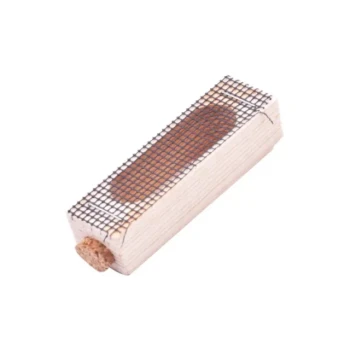
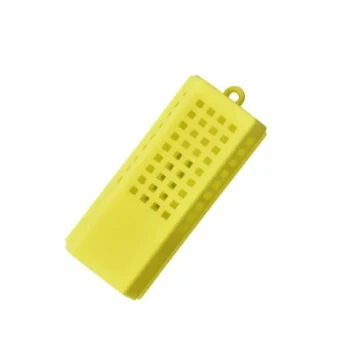
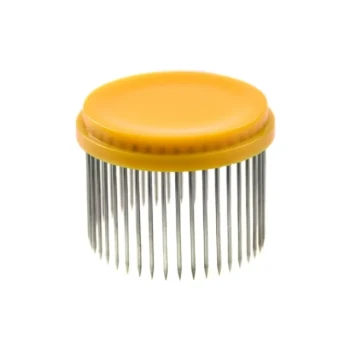
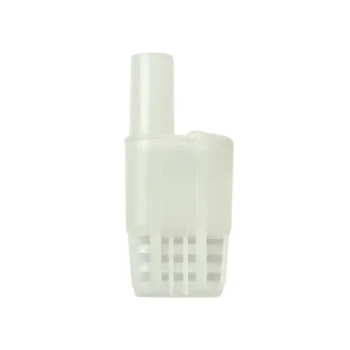
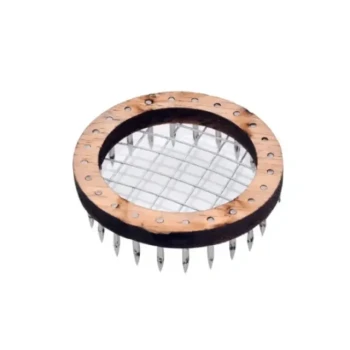
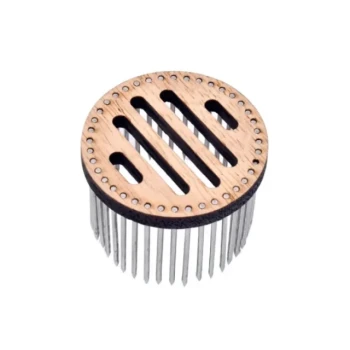
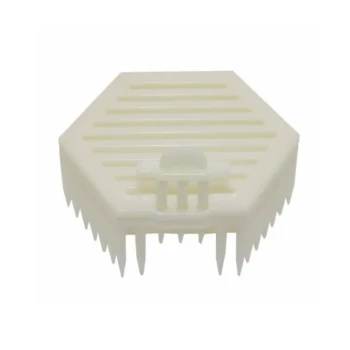
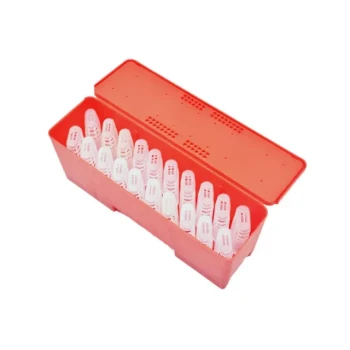
In the context of Varroa mite management, Queen Cages serve as a physical intervention tool designed to temporarily arrest the queen's egg-laying capability. This action artificially induces a broodless state within the colony, which is the foundational mechanism required to expose the mite population for effective removal.
By restricting the queen, you eliminate the sealed brood cells where mites reproduce and hide. This forces all parasites onto adult bees, rendering them fully vulnerable to contact-based treatments.
Creating a Host-Free Environment
Interrupting the Reproductive Cycle
The primary technical function of the cage is to restrict the queen's movement, preventing her from laying eggs in the comb.
Without new eggs, the supply of larvae dries up, eventually resulting in a hive with no sealed brood. This directly interrupts the reproductive cycle of the Varroa mite, which relies on capped brood cells to multiply.
Forcing Phoretic Migration
When a colony has brood, a significant percentage of the mite population is hidden under wax cappings, safe from many treatments.
By enforcing a broodless period, you compel these mites to migrate out of the comb. They are forced to attach themselves to the bodies of adult worker bees, entering what is known as the "phoretic" stage.
Optimizing Treatment Windows
Overcoming Physical Barriers
Chemical or organic treatments often fail because they cannot penetrate the wax capping of sealed brood cells.
The Queen Cage removes this physical barrier by ensuring no capped cells exist at the time of treatment. This exposes 100% of the mite population to the control agent.
Enhancing Organic Acid Efficacy
The technique is specifically designed to maximize the impact of organic acids, particularly oxalic acid.
Because these treatments rely on direct contact, their efficacy skyrockets when applied during this artificial broodless window. The cage transforms a treatment that might be partially effective into a comprehensive cleanup of the mite load.
Understanding the Trade-offs
Colony Growth Stagnation
While effective for pest control, this method intentionally halts the production of new bees.
You are trading a period of colony growth for a period of deep sanitation. It is a calculated interruption that temporarily reduces the colony's replacement rate of aging workers.
Management Intensity
Using Queen Cages requires precise timing and physical manipulation of the hive.
The queen must be caged for a specific duration to ensure all existing brood emerges, and then released carefully to allow the colony to rebound.
Making the Right Choice for Your Goal
To apply this technical understanding to your apiary management, consider your specific objectives:
- If your primary focus is Maximum Mite Kill: Combine queen caging with an oxalic acid treatment after the broodless period is established to target the exposed mites.
- If your primary focus is Queen Safety: Ensure the cage selected allows for sufficient pheromone circulation so the colony remains cohesive and does not reject the queen upon release.
Mastering the use of the Queen Cage transforms Varroa treatment from a hopeful measure into a targeted, high-efficacy procedure.
Summary Table:
| Technical Mechanism | Function in Varroa Control | Impact on Hive |
|---|---|---|
| Brood Interruption | Halts egg-laying to stop mite reproduction cycles | Temporary colony growth stagnation |
| Phoretic Migration | Forces mites out of sealed cells onto adult bees | Eliminates mite hiding spots |
| Treatment Synergy | Removes wax barriers for contact treatments | Maximizes efficacy of Oxalic/Organic acids |
| Pheromone Flow | Maintains colony cohesion during isolation | Ensures queen acceptance after release |
Elevate Your Apiary Management with HONESTBEE
As a professional beekeeper or distributor, you know that precision tools are the backbone of a healthy colony. HONESTBEE specializes in supporting commercial apiaries and wholesale distributors with a comprehensive range of high-quality beekeeping machinery and equipment.
Whether you need specialized queen cages for integrated pest management, advanced honey-filling machines, or industrial-grade hive-making hardware, we provide the tools necessary to scale your operations and maximize productivity. Our global supply chain ensures you receive the best in beekeeping technology and essential industry consumables.
Ready to optimize your yield and hive health? Contact HONESTBEE today to discuss our wholesale offerings and discover how our expertise can drive your beekeeping success.
References
- Monica Vercelli, Teresina Mancuso. An Economic Approach to Assess the Annual Stock in Beekeeping Farms: The Honey Bee Colony Inventory Tool. DOI: 10.3390/su12219258
This article is also based on technical information from HonestBee Knowledge Base .
Related Products
- Durable Galvanized Steel Spring Queen Bee Cage
- Professional Queen Cage with Sliding Gate and Feeder Plug
- Classic Wooden and Mesh California Queen Cage
- Professional Queen Bee Introduction and Transport Cage
- Professional Multi-Functional Queen Bee Cage
People Also Ask
- Why are specialized queen bee cages used for the banking of mated queen bees? Maximize Commercial Apiary Storage Efficiency
- What is the mechanism of action for using temporary queen bee cages? Master Successful Queen Introduction
- What is the step-by-step process for installing a queen bee's cage onto a frame? Ensure Hive Acceptance Safely
- What is the optimal placement for a queen bee cage? Essential Strategies for Successful Re-queening
- What are the advantages and disadvantages of introducing a queen bee by embedding the cage? Boost Your Queen Acceptance