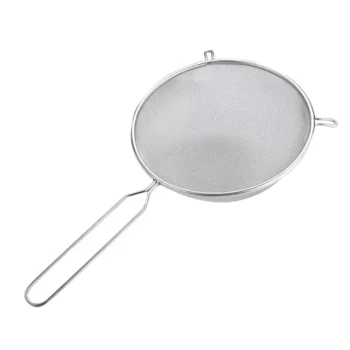
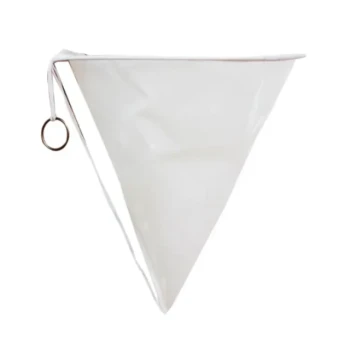
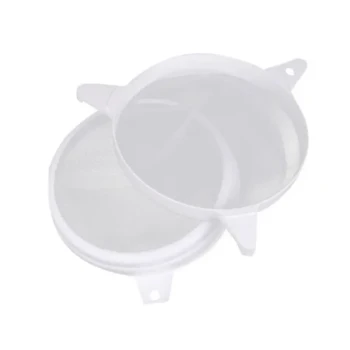
High-precision filtration equipment serves as the primary technical mechanism for ensuring clarity, shelf-stability, and regulatory compliance in commercial honey production. It physically removes wax residue, bee fragments, and large pollen clusters to produce a transparent, liquid product that meets global food safety standards. By strictly controlling insoluble solids, this equipment minimizes the rate of crystallization and extends the commercial viability of the honey for global distribution.
High-precision filtration is a critical safeguard that transforms raw honey into a stable, market-ready commodity by removing physical and biological impurities. For B2B stakeholders, this technology is the key to delivering a consistent, high-purity product that reduces spoilage risks and meets rigorous international trade specifications.
Enhancing Visual Purity and Market Appeal
The Removal of Macro and Micro Particulates
High-precision filters act as a definitive physical barrier against hive debris, larval remains, and beeswax flakes.
This process ensures the honey moves from a cloudy, raw state to a refined liquid that meets the sensory expectations of modern consumers.
Achieving Optical Clarity
By removing suspended solids, the equipment ensures the final product maintains a clear and transparent appearance.
This transparency is a core requirement for premium honey brands, as it signals purity and high-quality processing to the end-user.
Ensuring Product Stability and Shelf-Life
Inhibiting Premature Crystallization
Impurities like pollen and sand often act as nuclei around which glucose crystals form.
High-precision filtration removes these "seeds" of crystallization, ensuring the honey remains in a liquid, easy-to-pour state for a significantly longer duration.
Reducing Microbial Load and Spoilage
Raw honey can be contaminated by environmental microorganisms during the extraction phase.
Standardized filtration systems effectively reduce the initial microbial load, enhancing the biological safety and physicochemical stability of the honey during long-term storage.
Compliance and Quality Standards
Meeting Insoluble Solid Thresholds
Maintaining insoluble solid content below specific limits—often as low as 0.1%—is a core criterion for international honey cleanliness.
High-precision systems allow producers to hit these technical benchmarks consistently, which is critical for honey intended for medicinal or high-end food applications.
Preserving Physical Integrity
Advanced filtration equipment is designed to enhance the stability of the honey's physical properties without altering its natural chemical composition.
This allows distributors to guarantee a product that is "pure" not just in terms of cleanliness, but also in its retention of natural enzymes and nutritional components.
Understanding the Trade-offs
Filtration Intensity vs. Nutritional Profile
While high-precision filtration improves clarity, extreme "ultra-filtration" can remove almost all pollen, which is sometimes used to track the honey's geographic origin.
Distributors must balance the need for crystal-clear aesthetics with the market's demand for "raw" or "unfiltered" characteristics in certain niches.
Viscosity and Pressure Management
Honey is a highly viscous fluid, and forcing it through fine filters requires precise pressure management.
Inadequate equipment can lead to heat buildup or "shear stress," which may negatively impact the honey's delicate enzyme count if the system is not professionally calibrated.
Making the Right Choice for Your Goal
As a one-stop sourcing partner, we recognize that the level of filtration required depends entirely on your specific market segment and regional regulations.
- If your primary focus is Retail Shelf-Life: Prioritize high-precision systems that remove all micro-nuclei to prevent crystallization and ensure a long-lasting liquid state.
- If your primary focus is Medicinal or Industrial Use: Select equipment that guarantees an insoluble solid count below 0.1% to meet the strictest biological safety standards.
- If your primary focus is Premium Organic Branding: Opt for high-precision "cold-filtration" methods that remove debris while preserving the natural enzyme and pollen profiles demanded by health-conscious consumers.
The right filtration technology ensures that every batch of honey you distribute is a testament to professional expertise and uncompromising quality.
Summary Table:
| Feature | Technical Function | B2B Commercial Benefit |
|---|---|---|
| Impurity Removal | Extracts wax, bee fragments, and debris | Enhances visual appeal and premium market positioning |
| Crystallization Control | Eliminates pollen and mineral nuclei | Significantly extends liquid shelf-life for retail |
| Microbial Reduction | Lowers initial load of microorganisms | Improves biological safety and long-term storage stability |
| Compliance Support | Maintains insoluble solids below 0.1% | Ensures honey meets strict international trade standards |
| Quality Preservation | Optimized pressure and temperature control | Protects natural enzymes and the honey's nutritional profile |
Scale Your Honey Business with HONESTBEE
As a dedicated one-stop sourcing partner, HONESTBEE empowers commercial apiaries and distributors with the tools needed to dominate the global honey market. We offer a comprehensive full-spectrum portfolio, ranging from high-precision filtration systems and honey-filling machinery to specialized hive-making equipment and essential consumables.
Why partner with HONESTBEE?
- Deep Industry Expertise: We understand the technical nuances of honey purity and regulatory compliance.
- Optimized Supply Chain: Benefit from ultra-fast delivery, efficient order fulfillment, and reliable supply to maximize your profit margins.
- Customized Solutions: We provide OEM/ODM support to tailor equipment to your specific market requirements.
- Exceptional Support: Experience rapid response times and dedicated service from a team that values your growth.
Ready to elevate your product quality and streamline your operations? Contact our professional team today to explore our wholesale offerings!
References
- Gülşah Kaner, Çağla AYER. Evaluation of Honey and Propolis Consumption Habits of Adults During the COVID-19 Pandemic. DOI: 10.22312/sdusbed.1439100
This article is also based on technical information from HonestBee Knowledge Base .
Related Products
- Electric Double Wall Honey Filtering Machine Purifier Equipment for Honey Processing Plant
- Professional Stainless Steel Honey Filtering Machine with Water Bath Heating for Beekeeping
- Professional Stainless Steel Honey Filter with Support Handle
- Honey Concentrating and Filtering Dehumidifier Machine 2T Capacity for Honey
- Professional Honey Filter with Tripod Support Stand
People Also Ask
- What types of equipment are used in honey filtering? Build an Efficient System for Pure, Marketable Honey
- What is the process of filtering honey? A Guide to Clean, Pure, and Market-Ready Honey
- What is the overall importance of using the right equipment in honey filtering? Boost Quality & Marketability
- Why is filtering important in honey processing, and what equipment is used? A Guide to Quality & Efficiency
- What is a potential concern associated with filtering honey? Balancing Clarity and Pollen Preservation