Capped honey serves as the definitive technical indicator that the nectar ripening process is complete. It signals that the bees have successfully evaporated sufficient moisture from the nectar and sealed the honeycomb cell with beeswax. For a beekeeper, this is the visual confirmation that the honey is mature, stable, and ready to be harvested without risk of spoilage.
The presence of a wax cap confirms that the honey has reached a low-moisture state essential for preservation. By sealing the cell, bees protect the finished product from environmental humidity, ensuring it remains stable for long-term storage.
The Mechanics of Ripening and Preservation
Achieving Chemical Stability
The primary technical significance of capped honey is moisture reduction. Bees actively fan nectar to evaporate water content.
Only when the moisture level drops to a point where yeast fermentation is inhibited do the bees seal the cell. This "ripeness" ensures the honey will not spoil or ferment over time.
The Protective Wax Barrier
Once the optimal viscosity and moisture levels are reached, bees place a beeswax seal over the cell.
This cap is not merely structural; it acts as a hermetic barrier. It protects the hygroscopic (water-absorbing) honey from re-absorbing moisture from the ambient air, which would otherwise compromise its quality.
Operational Implications for Harvesting
Locating the Surplus
Beekeepers typically look for capped honey within honey supers. These are the specific boxes added above the brood chamber to collect surplus stores.
Identifying capped frames within these supers ensures the harvester is taking extra resources intended for winter storage, rather than interfering with the colony's reproductive brood nest.
Purity and Maturity
Harvesting capped honey guarantees maturity. Uncapped nectar is often essentially sugar water that has not yet been chemically processed by the bees.
Waiting for the cap ensures the harvest consists of pure, finished honey. This distinction is vital before frames are placed in honey extractors, which spin the honey out for collection.
Understanding the Trade-offs
The Risk of Premature Harvesting
If a beekeeper harvests frames that are largely uncapped, they risk collecting "green" or unripe honey.
This nectar retains high moisture content, making it highly susceptible to fermentation. Fermented honey can sour, causing the container to swell or burst, rendering the harvest unusable for standard consumption.
Sustainability and Equipment
While honey extractors allow for the sustainable reuse of drawn comb, they function best with properly uncapped frames.
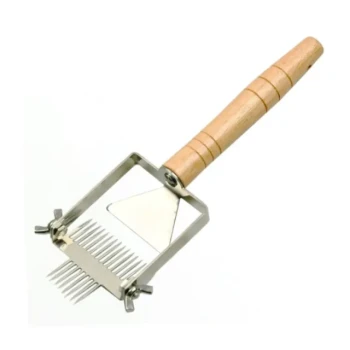
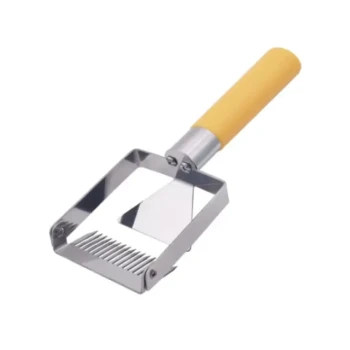
Harvesting uncapped nectar is technically easier (no wax to remove) but sacrifices quality. Conversely, waiting for full capping requires the additional step of removing the wax seals, but it preserves the integrity and longevity of the final product.
Making the Right Choice for Your Goal
When inspecting your hive, use the presence of caps to guide your management decisions:
- If your primary focus is Shelf Stability: Wait until the majority of the frame is capped to ensure low moisture content and prevent fermentation during storage.
- If your primary focus is Product Purity: Harvest strictly from capped frames in the honey supers to avoid contamination with larvae or unripe nectar.
- If your primary focus is Colony Sustainability: Use extractors on harvested capped frames so you can return the intact empty combs to the bees for immediate reuse.
The wax cap is the bees' own seal of quality assurance, confirming the product is finished, stable, and secure.
Summary Table:
| Technical Feature | Significance to Beekeeper | Impact on Honey Quality |
|---|---|---|
| Wax Capping | Visual signal that ripening is complete | Hermetic seal prevents moisture re-absorption |
| Moisture Reduction | Inhibits yeast growth/fermentation | Ensures long-term shelf stability and density |
| Cell Sealing | Indicates transition to surplus storage | Prevents contamination and environmental spoilage |
| Chemical Maturity | Confirms nectar is fully processed | Guarantees pure, finished honey vs. 'green' nectar |
Maximize Your Harvest Efficiency with HONESTBEE
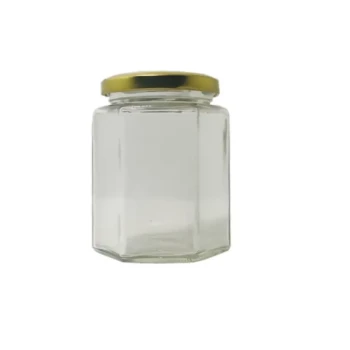
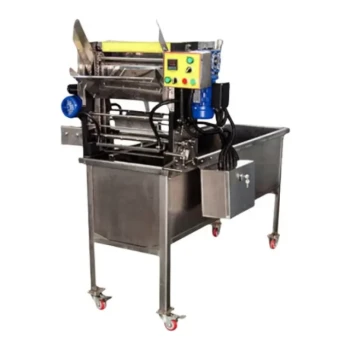
Transitioning from capped frames to high-quality jars requires the right professional tools. HONESTBEE supports commercial apiaries and distributors with a complete range of wholesale beekeeping solutions. From high-performance honey extractors and honey-filling machines to specialized hive-making machinery and essential consumables, we provide the technical hardware you need to preserve the purity of your honey.
Ready to scale your production? Contact us today to explore our comprehensive portfolio and see how our industrial-grade equipment can optimize your apiary's output.
Related Products
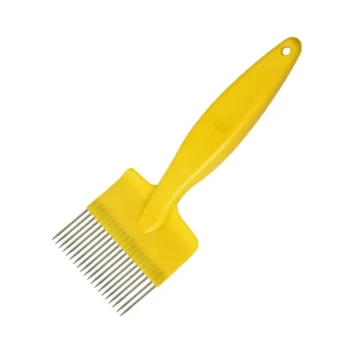
- Professional Durable Plastic Handle Honey Uncapping Fork
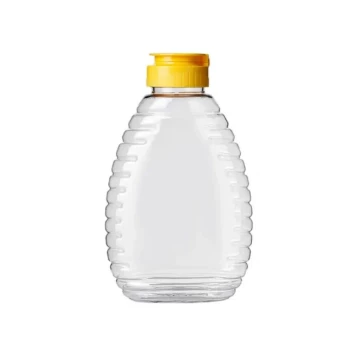
- Squeezable No-Drip Beehive-Shaped Honey Jars with Flip-Top Cap
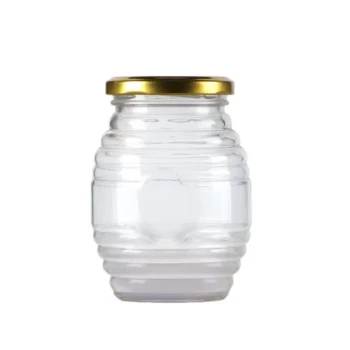
- Classic Glass Honey Jar with Metal Lug Cap for Beehive Storage
- Professional Honey Uncapping Roller for Efficient Harvesting
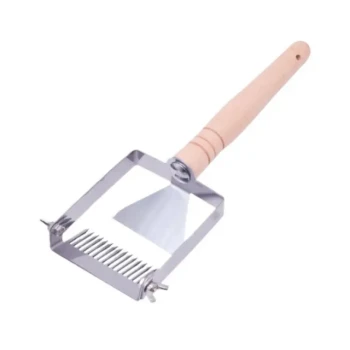
- Adjustable Stainless Steel Honey Uncapping Fork with Scraper for Beekeeping
People Also Ask
- What is the design purpose of honey uncapping forks and honey uncapping tanks? Maximize Your Harvest Efficiency
- How does a honey uncapping fork supplement the use of an uncapping knife? Boost Your Honey Yield and Extraction Efficiency
- What other tools are available for honey uncapping besides knives? Find the Right Tool for Your Apiary's Scale
- What tools are used for honey uncapping? Choose the Right Knife for Your Harvest
- What is the primary function of specialized honey uncapping tools? Maximize Your Extraction Yield and Efficiency