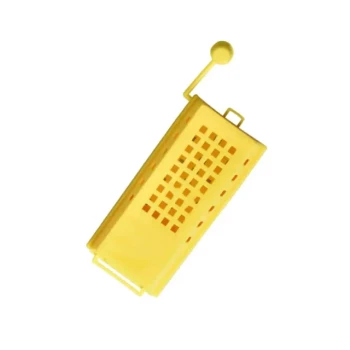
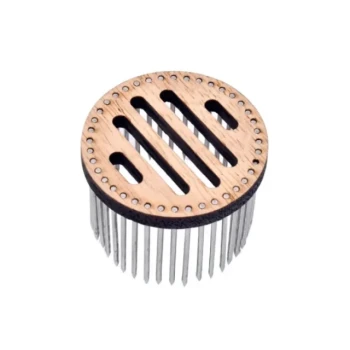
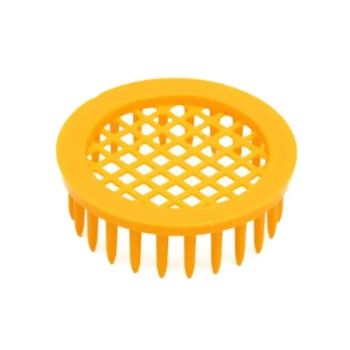
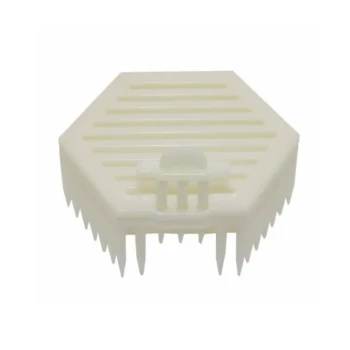
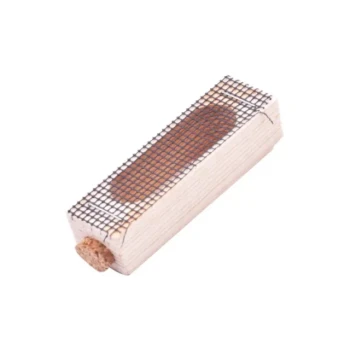
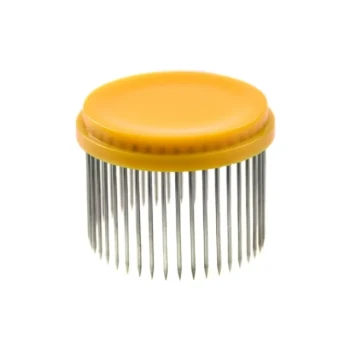
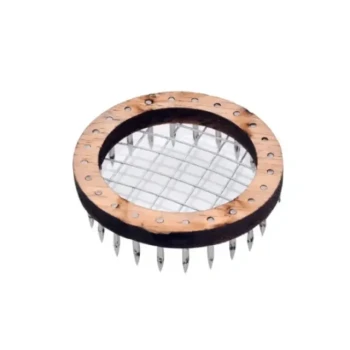
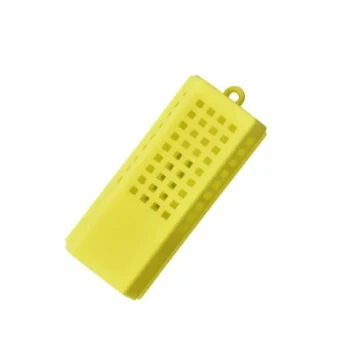
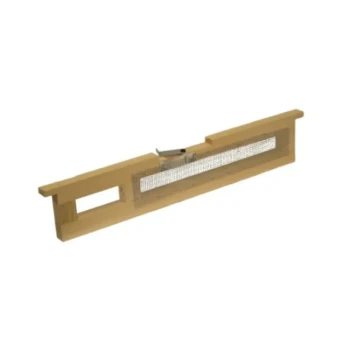
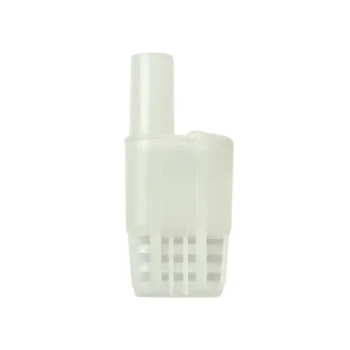
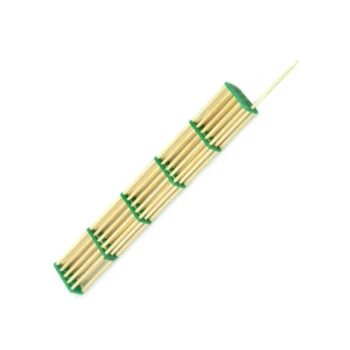
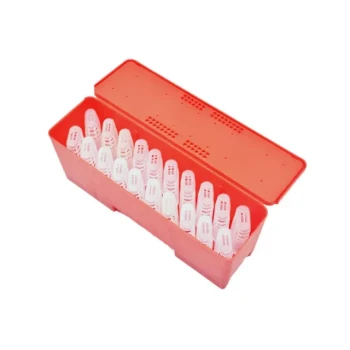
Standard queen introduction cages work by creating a temporary physical barrier between a new queen and an established colony to prevent immediate rejection. This mechanism relies on a candy plug that acts as a timer, delaying the queen's release for one to three days so the hive can acclimate to her pheromones before direct physical contact occurs.
The core mechanism is not merely isolation, but controlled habituation. By forcing a delay while bees eat through a sugar barrier, the cage transforms the new queen's scent from an alien threat into the colony's recognized signature.
The Principle of Pheromone Acclimation
Creating a Safety Zone
The primary function of the cage is confinement. When a new queen is introduced, her pheromones are foreign to the colony, often triggering an aggressive defense response.
The cage creates a safe container that allows air and scent to flow through but prevents the resident bees from attacking or balling the queen.
Integrating the Scent
While confined, the queen spreads her unique pheromone throughout the hive.
This passive period allows the colony’s worker bees to investigate the new queen without the ability to harm her. Over time, her scent overrides the colony's previous chemical signature.
The Time-Release Mechanism
The Dual-Function Candy Plug
The "lock" on the cage is a tube filled with queen bee candy. This serves a dual purpose: it acts as a time-release door and provides essential nutrition.
The candy ensures the queen and her attendant bees remain fed and hydrated during transport and the initial introduction phase.
Mutual Release Effort
The release process is a collaborative effort between the bees inside and outside the cage.
Resident bees eat the candy from the outside, while the queen and her attendants eat from the inside. This activity keeps the bees occupied and focused on a task rather than aggression.
The Delay Factor
Eating through the candy plug typically takes two to three days.
This specific timeframe is critical; it is generally the minimum time required for a colony to accept the new pheromone profile and cease aggressive behaviors.
Understanding the Variables and Risks
Colony Strength Impacts Speed
The speed at which the queen is released depends heavily on the strength of the colony.
A strong colony with many foragers will consume the candy faster than a weaker colony. This variable means the release time can fluctuate between one and three days.
The Risk of Rushing
A common mistake is introducing a queen too quickly or manually releasing her before the candy is consumed.
If the physical barrier is removed before pheromone acclimatization is complete, the colony will likely view the queen as an invader and kill her.
Ventilation and Monitoring
Proper cage placement is vital for the principle to work.
There must be adequate ventilation for pheromones to disperse. Furthermore, failure to monitor the colony's behavior toward the cage (checking for aggression vs. curiosity) can lead to failed introductions.
Making the Right Choice for Your Goal
To ensure the survival of your new queen, apply the working principles of the cage to your specific situation:
- If your primary focus is Maximum Acceptance Rates: Ensure the candy tube is fully intact before placing the cage to guarantee the full 2-3 day acclimation period.
- If your primary focus is Transport Safety: Verify the candy is sufficient to provide hydration and food for the duration of the trip before the introduction begins.
- If your primary focus is Genetic Isolation: Utilize cages with mesh designs, such as hair roller cages, to protect high-value virgin queens from rival queens while still allowing worker care.
The success of a queen cage relies on trusting the mechanical delay to solve the biological problem of rejection.
Summary Table:
| Feature | Mechanism | Benefit |
|---|---|---|
| Physical Barrier | Mesh/Cage Wall | Prevents worker bees from attacking or balling the new queen. |
| Candy Plug | Slow-release edible seal | Acts as a 2-3 day timer to delay physical contact. |
| Pheromone Flow | Ventilation holes | Allows the colony to acclimate to the queen's scent. |
| Nutrition | Sugar-based candy | Provides food and hydration for the queen and attendants. |
| Mutual Release | Collaborative eating | Redirects bee focus from aggression to task-oriented behavior. |
Maximize Your Apiary Productivity with HONESTBEE
Success in beekeeping starts with safe queen introduction and professional-grade equipment. At HONESTBEE, we specialize in supporting commercial apiaries and distributors with a comprehensive wholesale inventory. From specialized queen introduction cages and hive-making machinery to honey-filling systems and essential consumables, we provide everything you need to scale your operations.
Ready to elevate your beekeeping business? Contact our team today for wholesale pricing and expert solutions!
Related Products
- Durable Galvanized Steel Spring Queen Bee Cage
- Professional Queen Cage with Sliding Gate and Feeder Plug
- Professional Queen Bee Introduction and Transport Cage
- Professional Multi-Functional Queen Bee Cage
- Premium Wood and Steel Push In Queen Cage
People Also Ask
- Why are specialized queen bee cages used for the banking of mated queen bees? Maximize Commercial Apiary Storage Efficiency
- What is the mechanism of action for using temporary queen bee cages? Master Successful Queen Introduction
- What is the step-by-step process for installing a queen bee's cage onto a frame? Ensure Hive Acceptance Safely
- What is the optimal placement for a queen bee cage? Essential Strategies for Successful Re-queening
- What are the advantages and disadvantages of introducing a queen bee by embedding the cage? Boost Your Queen Acceptance