Safe pollen collection requires a delicate balance between harvest and hive health. To ensure success, a beekeeper must strictly evaluate four specific factors: the strength of the selected colony, the duration and limitations of the collection period, the daily maintenance of traps, and the prevention of pest infestations.
Successful pollen collection is not just about the equipment; it is about resource management. You must prioritize the colony's nutritional needs over the harvest to prevent stunting brood production or inviting infestation.
Strategic Colony Selection
Assessing Colony Strength
Not every hive is a candidate for pollen collection. You should only install traps on your strongest, most populous colonies.
Weak colonies require every ounce of gathered protein to build up their population. Depriving a struggling hive of pollen will stunt their growth and threaten their survival.
The Role of Protein in Brood Rearing
Pollen is the primary protein source for bees, critical for nourishing young larvae.
Before collecting, understand that removing this resource impacts the hive's ability to accelerate brood production. If natural forage is scarce, you should pause collection to ensure the bees have enough food to prepare for winter or spring growth phases.
Operational Discipline and Maintenance
Understanding Collection Limitations
You cannot collect pollen indefinitely without harming the hive. It is vital to understand the limitations of collection to prevent nutritional stress.
Most experts recommend a rotational schedule, such as trapping for a few days and then allowing free flight for several days. This ensures the colony retains enough pollen for its own immediate consumption.
Routine Trap Maintenance
Regular trap maintenance is non-negotiable. Pollen is biological matter that can degrade quickly if left exposed to the elements.
You must check and empty traps frequently to prevent the pollen from becoming damp or molding. This also ensures the equipment remains functional and does not obstruct the bees' entrance or exit.
Understanding the Trade-offs
The Risk of Small Hive Beetles (SHB)
The most significant risk in pollen collection is the infestation of small hive beetles.
Pollen is a potent attractant and a food source for these pests. If beetle populations are unchecked, they can lay eggs in the collected pollen, ruining the harvest and potentially sliming the hive.
Monitoring for Infestation
If you are in an area prone to SHB, you must monitor the traps daily. Leaving pollen in a trap for too long acts as a lure, inviting beetles to breed within the collection drawer.
Balancing Harvest vs. Health
While a pollen feeder (as noted in supplementary contexts) adds protein, a trap removes it.
The trade-off of collection is a potential reduction in the hive's "winter prep" resources. If you harvest too aggressively during late autumn, you may force the colony into a deficit that artificial feeding cannot fully replicate.
Implementing a Sustainable Strategy
To balance high-quality collection with the safety of your apiary, apply the following guidelines based on your current status:
- If your primary focus is Maximum Harvest: Select only your strongest colonies and empty traps daily to maintain high quality and reduce waste.
- If your primary focus is Colony Growth: Avoid trapping entirely during early spring buildup or dearths, allowing bees to utilize all incoming protein for brood rearing.
- If your primary focus is Pest Management: Remove traps immediately if you spot Small Hive Beetles, as the stored pollen will accelerate their reproduction.
Effective pollen collection is a partnership with your bees, taking only the surplus while ensuring they retain enough to thrive.
Summary Table:
| Factor | Key Consideration | Impact on Hive |
|---|---|---|
| Colony Strength | Only use strong, populous hives | Prevents stunting brood production and growth |
| Collection Period | Use rotational trapping (e.g., 3 days on/off) | Ensures colony retains essential protein stores |
| Maintenance | Empty and clean traps daily | Prevents mold, degradation, and entrance blockage |
| Pest Control | Monitor for Small Hive Beetles (SHB) | Protects harvest quality and prevents hive sliming |
| Trade-offs | Balance harvest vs. winter prep | Ensures bees have enough resources for survival |
Scaling Your Pollen Production? Partner with HONESTBEE
At HONESTBEE, we specialize in empowering commercial apiaries and distributors with the professional-grade tools needed for sustainable harvesting. Whether you require precision pollen traps, high-capacity honey-filling machines, or durable hive-making equipment, our comprehensive wholesale catalog is designed to optimize your operations.
From essential beekeeping consumables to specialized hardware and honey-themed merchandise, we provide the quality and scale you need to grow your business. Maximize your apiary’s efficiency and secure your supply chain today.
Contact HONESTBEE for Wholesale Solutions
Related Products
- Plastic Bee Pollen Trap Strips Comb Catcher Collector
- 30 cm Plastic Entrance Hole Bee Pollen Trap and Collector
- Removable Plastic Pollen Trap With Ventilated Tray for Bees Pollen Collector
- Heavy-Duty Ergonomic Grip Galvanized Pollen Shovel
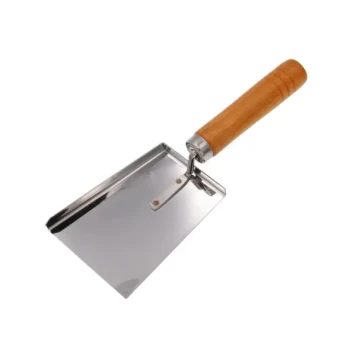
- Stainless Steel Pollen Shovel with Wooden Handle
People Also Ask
- For what reasons do beekeepers collect bee pollen? Boost Hive Health and Unlock New Revenue Streams
- What are the design principles and advantages of pollen traps in the collection of bee pollen? Boost Your Apiary Yield
- What are the ideal weather conditions for installing a bee pollen trap? Ensure Colony Safety with Expert Timing
- Why is frequent harvesting of bee pollen from traps necessary for quality control? Ensure Freshness and Prevent Mold.
- What function do pollen traps serve in quantitative collection? Boost Your Apiary's Data & Production Efficiency