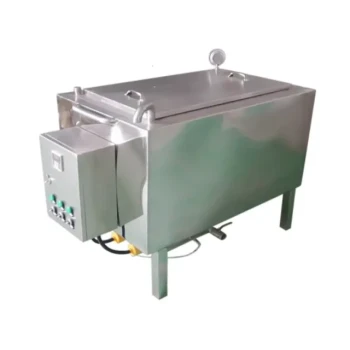
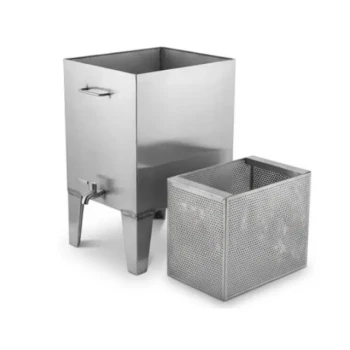
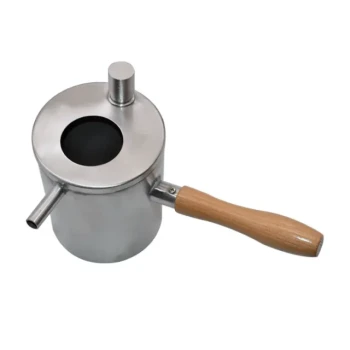
A double boiler is a universally compatible tool for melting virtually any standard candle wax. Specifically, it is effective for soy wax, beeswax, and paraffin wax. Because it utilizes indirect heat, it is the safest method for melting these materials without scorching them.
Core Insight: The double boiler is not limited by the type of wax, but rather defined by its method of heat transfer. Its ability to maintain a steady temperature makes it the industry standard for processing sensitive materials like beeswax and soy, ensuring the wax melts evenly without burning.
The Versatility of the Double Boiler
The double boiler functions as a water bath melter. By placing water between two walls (or nesting two pots), the device ensures the wax never exceeds the boiling point of water (212°F / 100°C).
Universal Compatibility
You can confidently use a double boiler for soy wax, paraffin wax, and beeswax. The gentle heating profile is appropriate for the melting points of all these common materials.
Why Indirect Heat Matters
Direct heat can easily scorch wax or cause flash fires. A double boiler heats the wax indirectly through the steam and hot water of the bottom chamber.
This method allows for a controlled liquefaction process. It protects the chemical integrity of the wax, ensuring the final candle or product performs as intended.
Deep Dive: Processing Beeswax
While soy and paraffin are straightforward, beeswax requires specific attention due to its higher melting point and natural composition.
Temperature Thresholds
Beeswax typically begins to liquefy between 143°F and 151°F (61-66°C).
While a double boiler is safe, constant monitoring is required. You must ensure the water in the bottom pot maintains a steady simmer to reach these temperatures efficiently.
Preparation for Efficiency
To speed up the melting process, which can take anywhere from 10 minutes to an hour, break the beeswax into chunks 1 to 2 inches wide.
Large blocks take significantly longer to melt. Smaller pieces increase the surface area exposed to the indirect heat.
Rendering and Cleaning
Double boilers are also used to render raw beeswax. This involves placing honeycomb wrapped in cheesecloth into the top container.
As the wax melts, it filters through the cloth, leaving impurities behind. Electric double boilers can even facilitate secondary cleaning, allowing impurities to settle at the bottom while clean wax is siphoned from the top.
Equipment Configuration and Safety
Whether you are using a professional electric unit or a makeshift stovetop setup, the physical materials you choose are critical.
The Makeshift Setup
A functional double boiler can be created using a large stockpot for boiling water and a smaller metal bowl or saucepan nested inside.
The inner container must rest on the lip of the stockpot. It should not touch the bottom of the pot. This suspension ensures the heat source remains indirect.
Material Warnings
Avoid using glass or plastic for the inner container.
Glass can shatter under thermal shock, and plastic may melt or leach chemicals. Always use a metal bowl or saucepan with a wide rim or long handle.
Dedicate Your Tools
Beeswax is notoriously sticky and difficult to remove.
Once a bowl or pot is used for wax, it is generally unsuitable for food preparation. Designate "old" kitchenware specifically for your wax projects.
Common Pitfalls to Avoid
Water Contamination
You must prevent water from splashing into the wax.
Even a small amount of water can ruin the texture of the finished product. If rendering raw wax, ensure the simmering water does not mix with the melting wax.
Boiling Dry
The water in the base pot will eventually evaporate.
If the pot boils dry, the temperature will spike, potentially ruining the wax or damaging the pot. You must monitor the water level constantly.
Making the Right Choice for Your Goal
- If your primary focus is basic candle making (Soy/Paraffin): Use a standard double boiler setup to ensure a smooth, even melt without risking discoloration from overheating.
- If your primary focus is processing raw beeswax: utilize the double boiler for rendering, ensuring you use a metal inner pot designated solely for non-food use to handle the sticky residue.
- If your primary focus is speed and efficiency: Break your wax into small, 1-inch chunks to drastically reduce the time required to reach the liquefaction point.
The double boiler is the most reliable method for melting wax, prioritizing safety and quality over raw speed.
Summary Table:
| Wax Type | Melting Point (Approx.) | Heating Method | Best For |
|---|---|---|---|
| Beeswax | 143°F - 151°F (61-66°C) | Indirect / Double Boiler | Rendering & Premium Candles |
| Soy Wax | 120°F - 180°F (49-82°C) | Indirect / Double Boiler | Container Candles |
| Paraffin Wax | 115°F - 154°F (46-68°C) | Indirect / Double Boiler | Pillar & Taper Candles |
| Raw Honeycomb | N/A | Double Boiler + Cheesecloth | Cleaning & Filtering Wax |
Elevate Your Wax Processing Efficiency with HONESTBEE
At HONESTBEE, we empower commercial apiaries and distributors with the high-performance tools needed to scale production. Whether you are rendering raw beeswax or manufacturing premium candles, our comprehensive range of honey-filling machines, specialized hive-making equipment, and industrial-grade beekeeping tools ensures precision and safety.
From essential industry consumables to professional machinery, we provide the hardware that drives your business forward. Contact us today to explore our wholesale offerings and industrial solutions.
Related Products
- Beeswax Melter for Candle Making Honey Bee Wax Melter
- Electric Commercial Beeswax Melter for Factory Use
- Steam Beeswax Melter Wax Warmer for Wax Processing
- Solar Beeswax Melter Easy Solar Wax Melter for Beeswax
- Electric Beeswax Foundation Machine With Operating Tray and Wax Foundation Roller
People Also Ask
- What is the best way to melt beeswax? Safely Preserve Quality with Indirect Heat
- What is the best way to melt beeswax? Use a Solar Wax Melter for Simple, Pure Results
- What types of beeswax melters are available for beekeepers? Choose the Right One for Your Operation
- What safety precautions should be taken when melting beeswax? A Guide to Flammable Wax Handling
- What types of beeswax melters are available for different scales of beekeeping? Solar vs. Electric Melters Compared