The most effective moisture-control strategy is controlled ventilation combined with absorbent materials and weather protection. Use screened or ventilated hive components, moisture boards or burlap above the cluster, raised hive stands, and a weatherproof outer covering. These measures reduce condensation without creating excessive drafts or allowing rain to enter.
Moisture control is a balance: remove warm, humid air through the top of the hive, absorb residual moisture before it drips onto the bees, and protect the hive from rain and ground moisture.
Why Excess Humidity Threatens the Colony
Condensation Chills the Bees
A winter cluster produces heat that causes moisture-laden air to rise. When that air contacts a cold inner cover or hive roof, it can condense into cold droplets that fall back onto the bees.
Moisture Promotes Mold and Hive Damage
Persistent humidity can encourage mold and contribute to health problems for the colony. It can also shorten the service life of wooden hive components by keeping them damp.
Ventilation Must Be Controlled
The goal is not to expose the colony to unrestricted airflow. The goal is to provide a deliberate path for humid air to escape while preventing wind-driven rain, drafts, and heat loss.
Moisture-Control Accessories for Beehives
Moisture Boards
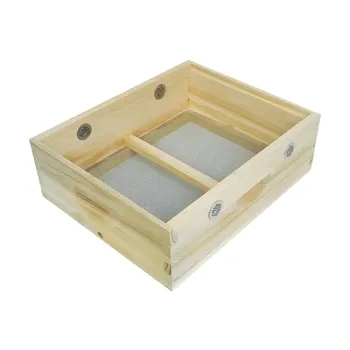
A moisture board is placed above the colony to absorb rising warm, humid air. It helps prevent that moisture from reaching a cold surface and condensing into droplets above the bees.
Moisture boards are particularly useful during winter and rainy spring conditions. They are a practical accessory for distributors and beekeepers because they can be supplied as part of a broader hive-climate-control product range.
Absorbent Material in an Empty Hive Box
An empty hive box placed above the colony can be packed with absorbent material to capture excess humidity. This creates additional space for moisture management without placing material directly on the bees.
The absorbent material should be kept dry and checked periodically. Its usefulness depends on its ability to take up moisture without becoming saturated.
Burlap or Similar Wicking Material
Burlap can be positioned above the cluster to wick moisture away from the bees. It is a simple, low-cost option that can complement a moisture board or other top insulation method.
The material should not obstruct the intended ventilation path. Damp or moldy material should be replaced rather than left inside the hive.
Screened Bottom Boards
A screened bottom board supports airflow beneath the hive and helps reduce humidity buildup. It also avoids trapping damp air against the lower part of the colony.
Its suitability depends on the local climate and seasonal conditions. In cold or exposed locations, ventilation should be managed so that airflow does not become an uncontrolled draft.
Ventilated or Double-Screened Inner Covers
Ventilated inner covers and double-screened inner covers provide additional options for moving humid air away from the colony. They can be incorporated into standardized hive systems and offered as complementary accessories.
These components are especially useful when a beekeeper needs repeatable ventilation across multiple hives rather than relying on improvised openings.
Raised Hive Stands
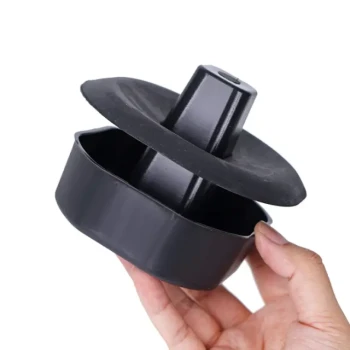
A hive stand lifts the hive above wet soil and standing water. This reduces the likelihood of rainwater entering through the entrance or base and improves airflow around the lower hive.
Stands also help shield the colony from ground-level cold and moisture. They are a basic but important part of a complete moisture-control setup.
Weatherproof Outer Covers
Corrugated polycarbonate sheeting or another suitable outer covering can protect the hive from rain and meltwater. The covering should shed water without sealing the hive so tightly that humid air becomes trapped inside.
When insulation or wrapping is used, the main entrance and upper ventilation openings must remain clear.
Techniques for Managing Hive Ventilation
Create a Small Top Ventilation Gap
Thin wood shims placed under the corners of the inner cover can create a small air gap above the upper hive body. The inner-cover notch should also remain open where the design allows it.
This provides an outlet for warm, humid air while avoiding a large opening that could expose the colony to excessive airflow.
Adjust Ventilation with Removable Openings
Wine-cork-sized holes can be drilled into hive bodies or supers and fitted with removable corks. Beekeepers can then adjust airflow according to the season and weather.
This approach gives distributors and commercial apiaries a flexible ventilation option, but the openings should be managed carefully to prevent rain entry and unwanted drafts.
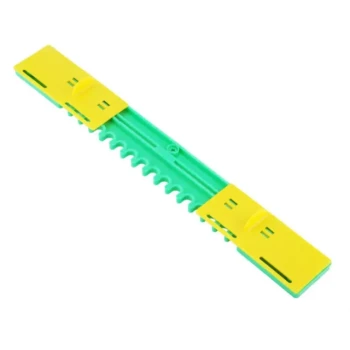
Use a Controlled Upper Entrance Gap
With standard hive bodies, sliding the upper deep body back slightly can create a front ventilation gap. The hive should be tilted slightly forward so rainwater or melting snow drains toward the main entrance rather than into the hive.
This technique should be applied consistently across the apiary. Uneven positioning can create unpredictable airflow and water-management problems.
Ventilate Briefly During Suitable Winter Conditions
Briefly opening the top lid or using designated ventilation holes can release trapped humidity. This should be done cautiously and only when weather conditions will not expose the colony to rain, severe wind, or excessive cold.
Ventilation should support the colony’s climate control, not repeatedly disturb the winter cluster.
Keep Drainage in Mind
Ventilation openings are only effective if external water is prevented from entering through them. A slight forward tilt, a functioning outer cover, and a raised stand work together to direct water away from the colony.
Understanding the Trade-offs
Too Little Ventilation Traps Condensation
A hive with inadequate upper airflow allows warm, humid air to collect beneath the roof. Moisture boards and absorbent materials may become overwhelmed if there is no practical route for humid air to escape.
Too Much Ventilation Can Chill the Colony
Large or poorly positioned openings may create drafts and increase heat loss. The objective is controlled air exchange, not maximum exposure to outside air.
Absorbent Materials Require Maintenance
Burlap, moisture boards, and other absorbent materials are not permanent solutions. Once saturated, they can no longer manage humidity effectively and may themselves become a source of dampness or mold.
Insulation Must Not Block Airflow
Wrapping a hive with black tar paper or another insulating covering can help absorb solar heat and protect against cold. However, the entrance and upper ventilation holes must remain uncovered so bees are not trapped and humid air can escape.
Seasonal Conditions Change the Correct Setup
A configuration suitable for winter may be unsuitable during rainy spring weather or warmer periods. Ventilation openings, absorbent materials, and external coverings should be adjusted as temperature, rainfall, and colony conditions change.
Building a Complete Moisture-Control Program
Combine Several Measures
No single accessory solves every moisture problem. A dependable setup generally combines:
- A raised hive stand
- A weatherproof outer cover
- Controlled upper ventilation
- A screened or ventilated base
- A moisture board, burlap, or absorbent material above the cluster
- A slight forward tilt for drainage
Standardize Equipment Across the Apiary
For commercial operations and resellers, standardized components make installation, training, inspection, and replacement easier. A full-spectrum product portfolio can include stands, screened bottoms, ventilated covers, moisture boards, absorbent materials, and protective outer coverings.
Match Products to Operating Conditions
Product selection should reflect the beekeeper’s climate, hive design, and management practices. Fast access to compatible accessories is especially valuable when weather changes require immediate adjustments across multiple colonies.
How to Apply This to Your Project
Use the following priorities when selecting moisture-control products or designing a hive-management program:
- If your primary focus is winter condensation: Prioritize controlled top ventilation, a moisture board or burlap layer, and a weatherproof cover that does not block ventilation.
- If your primary focus is rainy spring conditions: Add absorbent material in an empty upper box, maintain effective drainage, and inspect the hive for saturation or water entry.
- If your primary focus is commercial apiary consistency: Standardize screened bottoms, ventilated covers, stands, and adjustable openings across compatible hive bodies.
- If your primary focus is product sourcing and fulfillment: Work with a supplier able to provide the complete accessory range, rapid responses, technical guidance, and reliable delivery in one order.
- If your primary focus is protecting hive equipment: Raise hives above wet ground, prevent external water entry, and replace damp materials before they promote mold or deterioration.
A dry hive is achieved through balanced ventilation, reliable absorption, effective drainage, and regular seasonal adjustment.
Summary Table:
| Accessory/Technique | Purpose | Key Benefit |
|---|---|---|
| Moisture Board | Absorb rising humidity | Prevents condensation above bees |
| Burlap/Wicking Material | Wick moisture away | Low-cost moisture absorption |
| Screened Bottom Board | Under-hive airflow | Reduces humidity buildup |
| Ventilated Inner Cover | Top ventilation | Enhances air circulation |
| Raised Hive Stand | Elevate hive off ground | Avoids ground moisture, improves airflow |
| Weatherproof Outer Cover | Protect from rain | Shields hive, allows ventilation |
| Top Ventilation Gap | Small upper opening | Releases humid air, controls airflow |
| Adjustable Openings | Seasonally adjustable | Flexible ventilation control |
| Upper Entrance Gap | Controlled front gap | Drainage, ventilation |
Ensure your bee colonies thrive with our comprehensive moisture-control solutions. At HONESTBEE, we supply a full spectrum of beekeeping tools, machinery, and equipment for commercial apiaries and distributors. Our portfolio includes moisture boards, screened bottom boards, ventilated inner covers, hive stands, and weatherproof covers. We offer rapid response, dedicated service, deep expertise, and ultra-fast delivery. For wholesale inquiries, OEM/ODM support, and certified products, contact us today and let us help you optimize your hive management.
Related Products
- Professional Beekeeping Quilt Box with Multi Vent Moisture Control
- Steel Round Disc Entrance Reducer for Flexzion Bee Hive Nuc Box Gate
- Beehive Entrance Discs Plastic Bee Entrance Disc for Bee Hives
- Plastic Bee Hive Stand for Beekeeping
- Metal Bee Hive Stand Bee Box Stand for Beekeeping
People Also Ask
- What are the production benefits of transitioning from traditional beehives to modern box hives in apiculture management? Boost Yields and Efficiency
- How should different hive box sizes be configured within a beekeeping hive system to optimize brood rearing and honey harvest? Optimize with Our Wholesale Hive Components
- What operational advantages does deploying multiple hive boxes provide? Boost Apiary Monitoring & Colony Management
- What role does moisture play in a honey bee colony during winter? Essential for Survival, But a Deadly Threat if Mismanaged
- What role does hive ventilation play during wintering? Essential Moisture Control Tips