Italian honey bees are well suited to both starter and commercial hive systems because they combine gentle handling characteristics, strong colony growth, and high honey-production potential with predictable use of standard equipment. Their calm behavior and orderly comb-building simplify inspections for beginners, while their prolific brood-rearing and large populations support commercial production in movable-frame hives, supers, feeders, and mechanical extraction systems. However, their productivity also creates higher demands for space, feed, and colony management.
Core takeaway: Italian bees work especially well with standardized, expandable hive equipment. Their performance supports efficient inspections and honey harvesting, but beekeepers must provide adequate supers and high-capacity feeding equipment because these colonies maintain large populations and consume substantial stores.
Why Italian Bees Fit Standard Hive Equipment
Predictable comb-building supports modular systems
Italian bees generally show predictable building habits, making them compatible with standard frames, hive bodies, and supers. This helps beekeepers add equipment, inspect colonies, and replace damaged components without relying on specialized hive designs.
For distributors and resellers, this supports a broad, repeatable product range based on standardized hive hardware rather than custom equipment.
Movable-frame hives support commercial workflows
Commercial apiaries benefit from equipment that allows routine inspections, seasonal transport, and efficient honey processing. Italian colonies are well matched to movable-frame hive systems, where frames can be handled individually and moved through standardized uncapping and extraction workflows.
This compatibility is particularly valuable for migratory operations and apiaries that need consistent equipment across multiple sites.
Expansion capacity supports supers and scalable setups
Italian queens are highly prolific, and colonies commonly build large populations during extended brood-rearing periods. As a result, these bees can make productive use of expandable hive configurations, including additional brood boxes and honey supers.
The equipment setup must grow with the colony. A starter configuration may be sufficient initially, but commercial or rapidly developing colonies will require timely expansion to maintain productivity and reduce congestion.
Performance Characteristics That Benefit Beekeepers
Docile behavior simplifies inspections
Italian bees are generally gentle and calm on the comb, making frame inspections more manageable. This is especially useful for beginners, who are still developing confidence with smokers, hive tools, and routine colony handling.
For commercial beekeepers, calmer colonies can improve work efficiency by making repeated inspections and harvesting operations easier to perform.
High honey-production potential supports commercial use
Italian bees are valued for their high honey-production capacity. Their strong population growth and extended brood-rearing cycle can provide substantial foraging labor when floral resources are available.
This makes them attractive for commercial apiaries seeking productive colonies that can use additional supers and standardized extraction equipment efficiently.
Long brood cycles maintain colony strength
Italian colonies often continue brood rearing from late winter into late autumn, with less seasonal slowdown than some other honey bee strains. This can produce strong colonies for a longer part of the production season.
The same characteristic increases the importance of equipment that supports regular feeding, brood inspection, and timely expansion.
Low swarming tendency can support continuity
Italian bees are commonly regarded as having a relatively low tendency to swarm, although swarm behavior still depends on genetics, congestion, weather, and management. When properly managed, this characteristic can help maintain colony continuity and preserve productive populations.
It should not be treated as a substitute for swarm prevention practices, including inspections and adequate space management.
Equipment Implications for Starter and Commercial Hives
Starter setups benefit from simple, manageable hardware
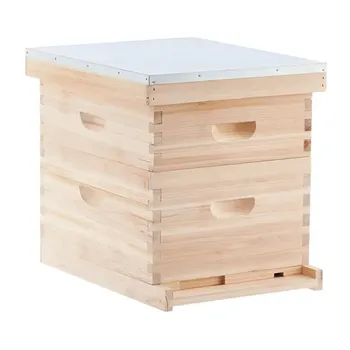
New beekeepers can pair Italian bees with a basic standardized setup consisting of movable frames, brood boxes, a hive cover, a bottom board, and essential inspection tools. Their generally docile behavior makes this arrangement practical for learning routine hive operations.
A starter system should also allow future expansion. Choosing compatible boxes, frames, and supers from the beginning avoids unnecessary equipment changes as the colony grows.
Commercial systems need scalable supering
Commercial colonies may require additional supers and brood space during strong nectar flows. Delayed expansion can restrict colony development and reduce the effective use of the bees’ production potential.
For B2B buyers, a complete offering should include compatible hive bodies, frames, supers, queen-excluder options where appropriate, and harvesting equipment that can be standardized across the apiary.
High-capacity feeders are important
Because Italian bees maintain large brood populations and continue rearing brood for an extended season, they can consume substantial stores. Frame feeders, top feeders, and other high-capacity feeding equipment may be needed during early spring, late autumn, or periods of limited forage.
This is a key difference between selling a basic hive package and supplying a complete operating solution. Feeding capacity should be considered alongside boxes and frames.
Extraction equipment matches their production profile
High honey yields make Italian bees suitable for operations using mechanical extractors and standardized honey-processing equipment. Movable frames allow honey to be uncapped, extracted, and returned or replaced with greater efficiency than traditional fixed-comb systems.
For commercial customers, compatibility across frames, extractors, uncapping tools, and replacement components is central to reducing handling time and simplifying procurement.
Understanding the Trade-offs
Large colonies require more space and stores
The same prolific growth that supports honey production can create management pressure. Colonies may outgrow starter configurations quickly and require additional supers, timely inspections, and reliable access to forage.
They also consume more winter food than smaller, more frugal colonies. Beekeepers must monitor stores and provide supplemental feed when natural resources are insufficient.
Forage shortages can increase management risks
Italian bees may continue brood rearing even when forage is limited. Without adequate stores, this can increase the risk of nutritional stress or starvation.
Their tendency to drift between hives during nectar dearths can also contribute to resource robbing and uneven colony strength. Clear hive identification, careful inspections, and dearth-period management are therefore important.
Suitability depends on climate and forage
Italian bees can overwinter successfully, but their high consumption means that performance depends on adequate stores and appropriate management. In harsh or low-forage environments, more frugal bee strains may require fewer supplemental resources.
The best equipment package is therefore determined not only by bee strain, but also by climate, forage availability, migration plans, and the beekeeper’s management capacity.
Making the Right Choice for Your Goal
Italian bees are a strong fit when the equipment plan accounts for both their productivity and their resource requirements.
- If your primary focus is beginner-friendly beekeeping: Use a standard movable-frame hive with straightforward inspection equipment, while selecting components that allow easy future expansion.
- If your primary focus is commercial honey production: Build around standardized frames, expandable supers, high-capacity feeders, and compatible uncapping and extraction machinery.
- If your primary focus is equipment distribution: Offer a complete, interoperable portfolio rather than isolated hive components, with rapid fulfillment of replacement frames, boxes, feeders, and harvesting accessories.
- If your primary focus is low-forage or harsh-climate management: Evaluate store consumption carefully and ensure the package includes adequate feeding capacity and winter-management support.
With the right space, feeding capacity, and standardized hardware, Italian honey bees can provide a scalable foundation for both starter apiaries and efficient commercial operations.
Summary Table:
| Characteristic | Benefit for Starter Setups | Benefit for Commercial Setups |
|---|---|---|
| Docile and gentle | Easier handling and inspections | Efficient apiary management |
| Prolific brood-rearing | Rapid colony growth | Large workforce for honey production |
| Predictable comb-building | Works with standard frames | Standardized equipment compatibility |
| Low swarming tendency | Reduced swarm management | Maintains colony strength |
| High honey production | Potential for good harvests | Maximizes yield with supers |
| Extended brood cycle | More active months | Longer production season |
| Space and feed demands | Requires timely supers | High-capacity feeders needed |
Ready to outfit your apiary with equipment that maximizes the potential of Italian bees? HONESTBEE offers a comprehensive range of hive components, feeders, and extraction machinery for every scale. From starter kits to commercial processing lines, we support your success with fast shipping and expert advice. Contact HONESTBEE today to discuss your requirements and receive a tailored quote.
Related Products
- High-Performance Langstroth Bee Hives for Global Professional Beekeeping
- Langstroth Honey Bee Box Hive Boxes for Different Depths
- HONESTBEE Anatomy Bee Model Detailed Anatomical Display for Education and Study
People Also Ask
- What structural differences should commercial apiary operators consider when selecting between Langstroth hives and Top Bar hives for standardized honey production? Langstroth for standardized honey production
- 8-Frame vs 10-Frame Langstroth Hives: Which Is Right for Your Beekeeping?
- How do Langstroth hives compare to Top Bar hives for beekeeping? Choose the Best for Your Apiary
- What are the structural and yield differences between traditional primitive beehives and modern standard wooden hives (such as Langstroth hives) for commercial honey producers? Discover why modern hives boost yield and efficiency.
- Why is the adoption of modern movable-frame hives, such as Langstroth hives, advantageous over traditional hive equipment for commercial apiaries? Key Benefits for Scalable Beekeeping