Langstroth hives are generally the stronger choice for commercial, scalable honey production, while Top Bar hives suit smaller-scale, lower-cost, and more natural-comb-focused operations. Langstroth systems use standardized removable frames and stackable boxes, allowing efficient inspections, frame reuse, centrifugal extraction, and integration with mechanized processing equipment. Top Bar hives use individual bars and free-hanging comb, reducing hardware complexity but requiring more manual harvesting and creating greater equipment-compatibility constraints.
The decisive issue is operational fit: choose Langstroth for modularity, standardized sourcing, and processing throughput; choose Top Bar when lower initial complexity, simpler construction, and gentle, small-scale management matter more than maximum yield and mechanization.
How the Hive Designs Differ
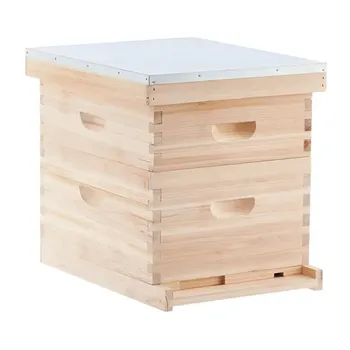
Langstroth Hives Use a Modular Architecture
Langstroth hives consist of standardized boxes, removable frames, supers, bottom boards, covers, and related woodenware. Operators can add or remove boxes as colonies expand and reuse compatible frames across the apiary.
This modularity supports systematic inspections, colony division, frame replacement, pest monitoring, and targeted disease management. It also makes Langstroth equipment easier to standardize across multiple apiary locations.
Top Bar Hives Emphasize Natural Comb
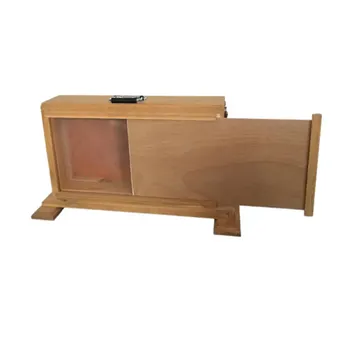
Top Bar hives use a horizontal trough with individual wooden bars from which bees build comb downward. Kenyan Top Bar designs are a common example of this approach.
Because the comb is not supported by a rigid rectangular frame, management is more dependent on careful handling and correct comb alignment. The system uses less specialized hardware but provides fewer standardized components for interchange and mechanical handling.
Hive Architecture Affects Labor and Yield
Langstroth frames can be removed, inspected, uncapped, extracted, and returned to the colony while preserving the comb. Bees therefore spend less time rebuilding comb after harvest.
Top Bar comb is commonly cut from the bar and processed through pressing or gravity straining. This can provide beeswax as a valuable secondary product, but the colony must rebuild the harvested comb, increasing wax production requirements and potentially reducing honey output relative to a frame-based system.
Equipment Considerations for Apiary Operators
Frame Compatibility Determines Flexibility
Langstroth operators benefit from a broad ecosystem of compatible frames, boxes, foundation options, replacement parts, pallets, and handling equipment. Standard dimensions also simplify purchasing across suppliers and reduce the need for custom fabrication.
Top Bar equipment is less standardized. Bar dimensions, hive geometry, and construction details can vary, so operators should confirm compatibility before purchasing replacement bars, covers, stands, or accessories.
Extraction Equipment Must Match the Comb
Langstroth frames are designed for centrifugal honey extractors. Manual, motorized, and high-capacity extractors can spin intact frames, allowing the comb to be returned to the hive for reuse.
Top Bar comb is generally unsuitable for standard centrifugal extraction unless it is adapted or placed into compatible support equipment. Harvesting typically requires a honey press, crushing and straining equipment, or gravity-based processing.
Uncapping and Processing Tools Differ
Langstroth operations commonly use uncapping knives, heated knives, uncapping forks, trays, filters, settling tanks, and extractors. These tools support repeatable, high-volume processing.
Top Bar operators usually cut or crush the comb before pressing or straining it. Their equipment needs may be simpler, but processing is more manual and may require additional labor per unit of honey harvested.
Handling Equipment Influences Operating Cost
Langstroth boxes and supers can become heavy when filled with honey. Larger apiaries may need hive carts, lifting aids, transport pallets, and organized loading systems to reduce handling time and physical strain.
Top Bar hives are generally accessed at a lower working height and do not require lifting stacked supers in the same way. This can make them attractive for smaller operations, although individual combs require careful handling because they lack full frame support.
Inspection Tools Remain Essential
Both systems require a smoker, hive tool, protective clothing, gloves where appropriate, feeders when needed, and equipment for queen and colony assessment. The difference is how those tools are used.
Langstroth inspections involve removing and examining frames within a modular box system. Top Bar inspections require moving bars sequentially while supporting or protecting the hanging comb, making operator technique especially important.
How Scale Changes the Decision
Commercial Apiaries Benefit From Standardization
For commercial honey production, Langstroth equipment generally offers the clearest path to scale. Standardized frames and supers integrate with extractors, uncapping lines, transport systems, and warehouse processes.
This standardization also supports faster procurement. Distributors and wholesalers can maintain broader inventories of commonly requested Langstroth woodenware, frames, spare parts, and processing machinery.
Small and Artisanal Operations May Prefer Top Bar
Top Bar hives can be suitable for beekeepers prioritizing lower initial equipment complexity, local construction, natural comb, or small-scale honey production. Operators with woodworking skills may be able to build or repair components independently.
However, local availability should be verified. Top Bar hives and replacement parts may be harder to source through conventional beekeeping suppliers in some markets, which can increase lead times and complicate fleet standardization.
Pollination Operations May Have Different Priorities
An apiary focused primarily on pollination may value manageable access, practical colony care, and transport requirements more than maximum honey-processing throughput. Top Bar hives may fit some small-scale pollination models, but transport stability and colony protection must be evaluated carefully.
For larger pollination businesses, standardized Langstroth equipment may still be preferable because compatible components, frames, and handling systems are more widely available.
Understanding the Trade-offs
Langstroth Requires More Hardware and Lifting
Langstroth systems require a larger equipment investment, including boxes, frames, foundation, bottom boards, covers, stands, and extraction infrastructure. Full supers can also be physically demanding to move.
The advantage is operational consistency. Once the system is established, reusable comb and standardized handling can reduce labor per harvest and support higher throughput.
Top Bar Reduces Complexity but Increases Manual Work
Top Bar hives generally require fewer specialized components and can be inexpensive to construct. Their lower hardware complexity can be useful where commercial equipment is unavailable or local fabrication is practical.
The trade-off is reduced mechanical compatibility. Comb cutting, pressing, and straining require more hands-on processing, and the absence of reusable framed comb can increase the colony’s rebuilding workload.
“Low Disturbance” Does Not Mean “Low Management”
Top Bar hives may allow a gentler inspection style, but the unsupported comb is vulnerable to breakage, heat, rough handling, and poor alignment. Operators still need disciplined inspection procedures and suitable weather and transport practices.
Langstroth frames can also disturb colonies when removed, but their rigid structure makes inspections, cleaning, disease control, and recordkeeping more systematic.
Natural Comb Can Complicate Standardized Disease Control
Langstroth frames provide a structured way to identify, isolate, replace, and treat comb when necessary. This supports more consistent apiary-level health management.
Top Bar systems can support low-intervention management, but their less standardized hardware may make coordinated inspection, comb replacement, and treatment protocols more dependent on operator skill.
Making the Right Choice for Your Goal
The best selection should reflect the apiary’s production model, labor capacity, supply chain, and processing infrastructure.
- If your primary focus is commercial honey production: Choose Langstroth hives for reusable frames, stackable supers, higher processing throughput, and compatibility with centrifugal extraction and mechanized equipment.
- If your primary focus is equipment standardization: Choose Langstroth systems so replacement parts, woodenware, frames, pallets, and processing machinery can be sourced through a broad supplier network.
- If your primary focus is low initial cost and local fabrication: Consider Top Bar hives, particularly where operators can build or repair bars and hive bodies themselves.
- If your primary focus is artisanal honey and beeswax: Consider Top Bar hives when manual comb cutting, pressing, and gravity straining align with the intended product and labor model.
- If your primary focus is simple access and smaller-scale management: Evaluate Top Bar hives, while accounting for comb fragility, inspection technique, and local parts availability.
- If your primary focus is rapid fulfillment across multiple apiaries: Standardize on a widely available hive format, typically Langstroth, and confirm that suppliers can provide consistent dimensions and spare components.
The right hive style is the one whose hardware, labor model, processing method, and supply chain support the apiary’s actual operating goals.
Summary Table:
| Feature | Langstroth Hive | Top Bar Hive |
|---|---|---|
| Architecture | Stackable boxes with removable frames | Horizontal trough with individual bars |
| Honey Extraction | Centrifugal extractors, frames reused | Pressing/straining, comb rebuilt |
| Equipment Compatibility | Standardized, broad ecosystem | Less standardized, limited compatibility |
| Labor | Higher initial setup, but efficient harvesting | Manual handling, more processing labor |
| Scalability | Excellent for commercial operations | Better for small-scale, artisanal use |
| Cost | Higher hardware investment | Lower initial cost, local fabrication possible |
| Maintenance | Systematic inspections, disease control | Requires careful comb handling, technique |
Ready to equip your apiary for success? HONESTBEE offers a full spectrum of beekeeping tools, machinery, and equipment, from hive-making and honey-filling machines to essential consumables. As a leading wholesale supplier for commercial apiaries and distributors, we provide one-stop sourcing, rapid response, dedicated service, and ultra-fast delivery. Whether you choose Langstroth or Top Bar, we have the right equipment to maximize your efficiency and profitability. Contact us today to discuss your needs and get a customized quote!
Related Products
- High-Performance Langstroth Bee Hives for Global Professional Beekeeping
- Langstroth Honey Bee Box Hive Boxes for Different Depths
- Australian Langstroth Beehive Boxes for Beekeeping Wholesales
- Long Langstroth Style Horizontal Top Bar Hive for Wholesale
- Professional Observation Hive: The Ultimate Portable Solution for Beekeeping Education, Exhibitions, and Colony Displays
People Also Ask
- 8-Frame vs 10-Frame Langstroth Hives: Which Is Right for Your Beekeeping?
- What structural differences should commercial apiary operators consider when selecting between Langstroth hives and Top Bar hives for standardized honey production? Langstroth for standardized honey production
- Why is the adoption of modern movable-frame hives, such as Langstroth hives, advantageous over traditional hive equipment for commercial apiaries? Key Benefits for Scalable Beekeeping
- What are the structural and yield differences between traditional primitive beehives and modern standard wooden hives (such as Langstroth hives) for commercial honey producers? Discover why modern hives boost yield and efficiency.
- How does transitioning to modern hives boost honey yield? Increase production and product quality for your commercial apiary