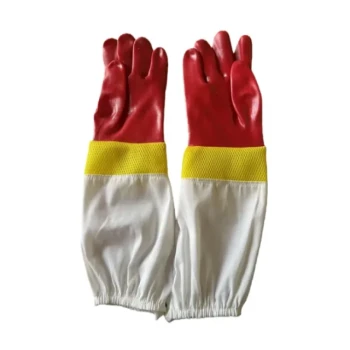
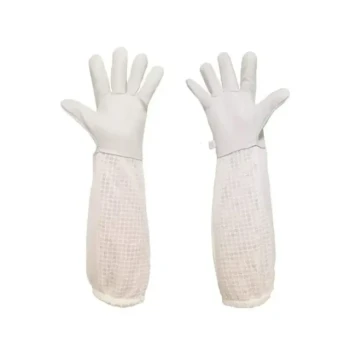
Effective protection requires a non-negotiable combination of barriers against contact and inhalation. When handling oxalic acid for bee treatment, the recommended Personal Protection Equipment (PPE) explicitly includes protective gloves, safety goggles, and a respirator. This equipment is vital to prevent chemical burns and respiratory damage during both the preparation and application phases.
Core Takeaway While oxalic acid is a powerful tool for hive health, it presents significant risks to the handler if treated casually. The most critical oversight is often respiratory safety; you must prevent the inhalation of acid dust or vapors just as rigorously as you prevent skin contact.
Essential Protective Gear
Protecting Your Hands
You must wear gloves whenever you are in contact with oxalic acid or its containers. Since this substance is corrosive, the gloves provide the first line of defense against skin irritation and chemical burns. Ensure they are durable and designed to resist chemical penetration.
Shielding Your Eyes
Goggles are required to protect your eyes from accidental splashes or airborne particles. Unlike standard safety glasses, goggles typically offer a better seal around the eyes. This prevents vapors or fine dust from bypassing the lens and causing irritation or damage.
Guarding Your Lungs
The use of a respirator is strictly recommended. While skin and eye protection are common sense, respiratory protection is often the most critical component of your safety kit. This device filters out harmful particulates and fumes that can severely damage your respiratory tract.
The Critical Danger Zone: Preparation
The Risk of Airborne Dust
The period of highest risk often occurs before the treatment is even applied to the hive. The primary reference emphasizes that it is especially important not to inhale the dust while preparing the solution.
Handling the Raw Material
When measuring or mixing the dry acid powder, fine particles can easily become airborne. Without a respirator, these invisible particles are inhaled directly into the lungs. Always perform mixing in a well-ventilated area while wearing your respiratory gear.
Common Safety Pitfalls
Underestimating Inhalation Risks
A common mistake is assuming that if you do not feel a splash, you are safe. However, the inhalation of dust is a silent hazard that can cause immediate and long-term respiratory issues. Never skip the respirator, even for quick mixing tasks.
Incomplete PPE Usage
The reference notes that the list of equipment "includes, but is not limited to" gloves, goggles, and a respirator. Relying on just one or two items leaves you vulnerable. Partial protection is effectively no protection when dealing with corrosive acids.
Making the Right Choice for Your Safety
To ensure you are handling oxalic acid responsibly, assess your current safety protocol against these guidelines.
- If your primary focus is mixing the solution: Ensure your respirator is fitted and worn before you open the container to prevent dust inhalation.
- If your primary focus is applying the treatment: Verify that your gloves and goggles are secure to protect against splashes and vapors during the application process.
Treat the safety of the beekeeper with the same seriousness as the health of the hive.
Summary Table:
| PPE Category | Recommended Equipment | Primary Protection Goal |
|---|---|---|
| Respiratory | NIOSH-rated Respirator | Prevents inhalation of toxic acid dust and vapors during mixing and application. |
| Hand Protection | Chemical-resistant Gloves | Guards against skin irritation and corrosive chemical burns. |
| Eye Protection | Sealed Safety Goggles | Protects eyes from accidental splashes and airborne particulates. |
| Environment | Well-ventilated area | Minimizes concentration of airborne particles during preparation. |
Secure Your Apiary Success with HONESTBEE
Handling oxalic acid safely is just one part of a professional beekeeping operation. At HONESTBEE, we understand the unique needs of commercial apiaries and distributors. We provide a comprehensive wholesale range, from specialized honey-filling and hive-making machinery to essential industry consumables and premium beekeeping tools.
Enhance your operational efficiency and safety with a partner who understands the full spectrum of beekeeping hardware and cultural merchandise. Contact us today to discuss our wholesale offerings and discover how we can support your business growth.
Related Products
- Heavy Duty 12V Oxalic Acid Evaporator Vaporizer for Bee Varroa Mite Treatment Beekeeping Fumigator Atomizer
- Oxalic Acid Vaporizer 12V for Bee Varroa Mite Treatment
- 12V Bee Mite Removal Evaporator Oxalic Acid Vaporizer for Bee Fumigation Treatment 180W Atomization
- Adjustable Formic and Acetic Acid Dispenser for Bee Mite Treatment
- Durable 12V Oxalic Acid Vaporizer for Varroa Mite Treatment Beehive Beekeeping Tool
People Also Ask
- How can oxalic acid treatment be applied effectively when capped brood is present? Master the 3-Stage Vapor Protocol
- What are the main advantages of using oxalic acid vaporization for Varroa mite control? Achieve 90%+ Efficacy Safely
- What is the process of using an oxalic acid vaporizer? A Step-by-Step Guide to Safe Varroa Control
- How can oxalic acid vaporization be used effectively in a hive that contains brood? Master Multi-Stage Mite Control
- Why is it necessary to control varroa mite infestations? Protect Your Colony with Oxalic Acid Vaporizers