Managing honey stickiness requires proactive preparation rather than reactive cleaning. To handle the inevitable dripping, you must keep a bucket of water and a towel directly inside the extracting room for frequent hand rinsing. Furthermore, you should configure your entire environment—such as turning on fans or radios—before you begin the process, ensuring you do not transfer honey to clean surfaces once your hands are sticky.
Effective extraction management is about containment. By establishing a dedicated "clean station" within arm's reach and moving the operation away from high-traffic living areas, you prevent a localized mess from becoming a household problem.
Selecting the Optimal Extraction Environment
Avoiding High-Traffic Areas
The primary reference suggests avoiding the kitchen for extraction if possible. Honey residue is difficult to remove and easily tracks into other rooms.
Utilizing Utility Spaces
Garages, basements, barns, or porches are often superior locations for extraction. These areas generally allow for easier cleanup of sticky floors and keep the mess isolated from your primary living space.
Maintaining Food Safety
While utility spaces are better for containment, you must ensure the honey remains free from dust and debris. The location must balance "mess tolerance" with the strict hygiene required for food processing.
Operational Protocols for Cleanliness
The "Clean Hands" Station
Because you will not likely have immediate access to a sink in a garage or barn, a bucket of water and a towel are non-negotiable tools. This allows you to rinse sticky hands immediately without leaving the workstation or touching doorknobs.
The "Touch-Free" Setup
Once extraction begins, your hands will be coated in honey. You must set up all environmental controls—such as radios, fans, or lighting—before touching any combs.
Preventing Cross-Contamination
If you need to adjust equipment mid-process, wash your hands in the bucket first. This simple discipline prevents sticky residue from coating your tools and electronics.
Leveraging Equipment to Reduce Mess
Mechanical vs. Manual Extraction
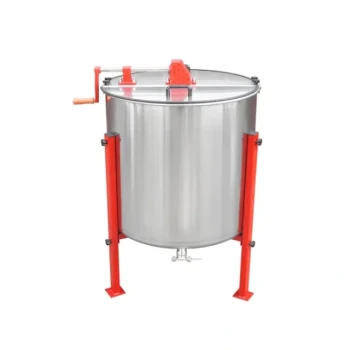
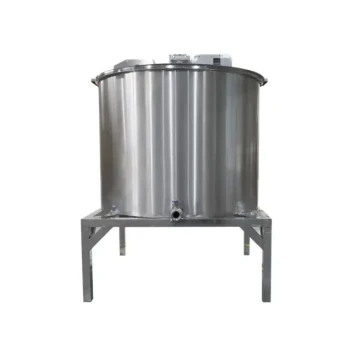
Supplementary data indicates that using a centrifugal honey extractor significantly reduces the mess compared to manual squeezing. Manual methods often result in broken wax and uncontained drips.
Preserving Comb Integrity
An extractor uses physical force to spin honey out while keeping the comb structure intact. This prevents the chaotic mixture of wax and honey that often leads to spills and "secondary contamination."
Understanding the Trade-offs
Proximity vs. Isolation
Extracting in a kitchen offers immediate access to hot running water and climate control, but it guarantees a sticky cleanup in your home's central hub. Extracting in a garage isolates the mess but often requires you to haul water (buckets) and manage temperature or pests more carefully.
Speed vs. Precision
Working quickly can lead to "flinging" honey droplets. Slowing down and ensuring you only process honey-bearing combs (sorting) reduces the volume of material you handle, thereby reducing the potential for a mess.
Making the Right Choice for Your Setup
Before you uncap the first frame, determine your priority for the session.
- If your primary focus is preserving your home's cleanliness: Set up your workspace in a garage or basement and utilize a bucket station for hand washing to keep the mess completely isolated.
- If your primary focus is workflow efficiency: Pre-set all environmental comforts (music, airflow, lighting) so you never have to stop the extraction flow to adjust a dial with sticky hands.
- If your primary focus is product purity: Use a mechanical extractor rather than manual methods to contain the honey and prevent wax debris from creating a difficult-to-clean sludge.
Treat the stickiness of honey as a certainty to be managed, not a variable to be eliminated.
Summary Table:
| Practical Measure | Benefit | Actionable Step |
|---|---|---|
| Environment Selection | Isolates mess from living areas | Use garages, basements, or barns with easy-to-clean floors. |
| The "Clean Hands" Station | Prevents cross-contamination | Keep a water bucket and towel at your workstation for frequent rinsing. |
| Touch-Free Setup | Keeps equipment clean | Configure all fans, lights, and radios before starting the extraction process. |
| Mechanical Extraction | Reduces drips and wax debris | Use a centrifugal honey extractor instead of manual squeezing methods. |
Scaling Your Apiary Operations with HONESTBEE
Managing honey stickiness is just the beginning of professional beekeeping. At HONESTBEE, we empower commercial apiaries and distributors with high-performance solutions designed for efficiency and purity.
Why partner with us?
- Comprehensive Equipment: From advanced centrifugal honey-filling machines to durable hive-making machinery.
- Wholesale Tools & Consumables: A full spectrum of beekeeping hardware and essential industry supplies.
- Cultural Merchandise: Unique honey-themed products to diversify your brand's retail offering.
Ready to upgrade your workflow with industrial-grade machinery and expert tools? Contact us today to explore our wholesale catalog!
Related Products
- Electric 8 Frame Honey Spinner Extractor Equipment for Beekeeping
- HONESTBEE 2 Frame Manual Acrylic Honey Extractor Beekeeping Equipment
- 6 Frame Manual Stainless Steel Honey Extractor Beekeeping Equipment
- 32 Frame Commercial Electric Honey Extractor for Beekeeping and Honey Production
- HONESTBEE 72 Frame Industrial Electric Honey Extractor for Beekeeping
People Also Ask
- What are the advantages of an electric honey extractor? Boost Efficiency and Scale Your Honey Production
- What are the characteristics of electric honey extractors? Boost Your Apiary Efficiency with Automated Technology
- What are the disadvantages of using an electric honey extractor? Weighing Cost, Power, and Comb Safety
- What are the features of an electric honey extractor? Boost Your Apiary's Productivity with Motorized Efficiency
- What are the technical advantages of electric honey extractors? Maximize Yield and Protect Your Bee Colony