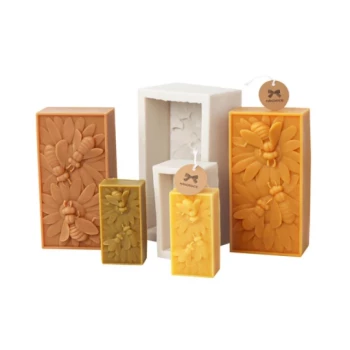
The primary raw materials derived directly from the honey harvesting process are wax cappings and the honeycomb itself. Specifically, manufacturers utilize the cappings sliced off the frame during extraction and the structural comb left behind. These biological byproducts are the foundational crude material that must be rendered to produce the wax used in candles.
While consumers often purchase beeswax in processed forms like pellets or sheets, the actual biological source is the rendered cappings and comb. Sourcing from these specific byproducts ensures the wax retains the natural fragrance and clean-burning properties essential to high-quality candle production.
The Source Material Explained
Wax Cappings
This is the highest quality source of beeswax. Cappings are the thin layers of wax bees use to seal honey into the honeycomb cells.
During the harvesting process, beekeepers slice these caps off to extract the honey. Because this wax is new and has had minimal contact with the hive's traffic, it is typically lighter in color and purer in composition.
Harvested Comb
The second primary source is the comb itself. After honey extraction, old or damaged comb is often harvested to be recycled into wax.
This material usually produces a darker wax due to its age and the accumulation of pollen and propolis over time. It requires more rigorous filtration than cappings but is a vital volume source for commercial production.
From Hive to Manufacturer
The Rendering Process
Raw cappings and comb cannot be used immediately for candle making; they must be "rendered."
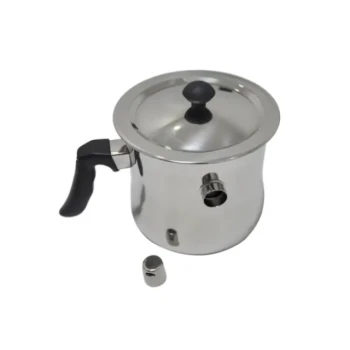
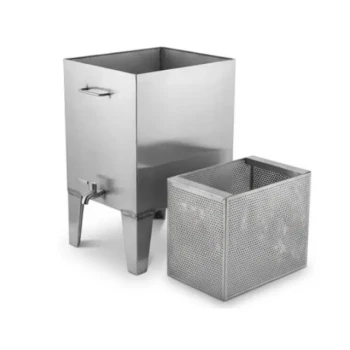
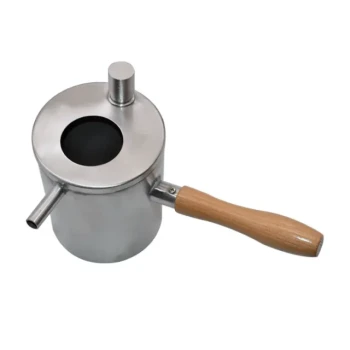
This involves melting the raw material—often using a double boiler or specialized wax melter—to separate the usable wax from the "slumgum" (cocoons, propolis, and other hive debris).
Filtration and Purification
Once rendered, the liquid wax is strained through materials like nylon or polyester cloth.
This step removes remaining impurities to ensure the final product burns cleanly. The result is the bulk beeswax (often sold as cakes, blocks, or pellets) that serves as the base for both dipped and poured candles.
Understanding the Trade-offs
Raw vs. Pre-Processed Inputs
While the raw material is the cappings, most candle makers do not start with raw hive debris. They purchase bulk beeswax pellets or cakes.
Using pre-processed pellets saves significant labor and ensures consistent filtration, but it distances the maker from the source. Processing your own raw cappings offers total control over purity but requires specialized equipment to remove debris.
Purity vs. Functionality
The primary reference emphasizes 100% pure, unbleached wax for high-quality results. However, pure beeswax has a very high melting point and can be brittle.
For specific applications, such as container candles, manufacturers often introduce additives like coconut oil or coconut butter. These are not hive products, but they soften the wax to prevent cracking in glass containers and improve scent throw.
Making the Right Choice for Your Goal
Whether you are processing raw materials or purchasing supplies, align your input with your desired output:
- If your primary focus is Purity and Tradition: Prioritize wax rendered exclusively from cappings, as this yields the cleanest burn and superior natural aroma.
- If your primary focus is Container Candles: Be prepared to blend your beeswax with softer oils (like coconut) to prevent the wax from pulling away from the glass.
- If your primary focus is Ease of Production: Utilize pre-formed beeswax sheets (for rolling) or refined pellets (for melting) to bypass the labor-intensive rendering process.
The quality of your final candle is entirely dependent on the cleanliness and origin of the rendered comb and cappings you start with.
Summary Table:
| Material Source | Quality Level | Primary Characteristics | Best Use Case |
|---|---|---|---|
| Wax Cappings | Premium | Light color, pure, natural honey scent | Taper and pillar candles |
| Harvested Comb | Standard | Darker hue, requires heavy filtration | Volume production & scented candles |
| Beeswax Pellets | High (Processed) | Convenient, consistent, easy to melt | Commercial manufacturing |
| Beeswax Sheets | High (Processed) | Embossed texture, no melting required | Rolled candles & DIY kits |
Elevate Your Beekeeping Operation with HONESTBEE
From the hive to the finished candle, the quality of your wax depends on the precision of your equipment. HONESTBEE specializes in supporting commercial apiaries and distributors with a comprehensive range of professional tools and machinery. Whether you need advanced honey-filling machines, specialized hive-making hardware, or a steady supply of essential industry consumables, we provide the wholesale solutions necessary to scale your production.
Ready to optimize your honey harvesting and wax processing? Contact us today to explore our full equipment portfolio and discover how our expertise can enhance your business efficiency.
Related Products
- Beeswax Machine Press Embosser Wax Foundation Mold Printer Bee Hive Equipment Making Sheet
- Beeswax Foundation Sheets Beehive Foundation for Wholesale
- Colorful Silicone Beeswax Foundation Mold Mould for Beekeeping
- Economy Manual Beeswax Embossing Mill Wax Foundation Machine Roller
- Electric Beeswax Flat Sheet Machine with Operating Tray for Wax Processing
People Also Ask
- What equipment is needed to make beeswax foundation? A Guide to DIY Wax Sheet Production
- What miscellaneous equipment is needed for making foundation? A Guide to the Essential Tools
- What miscellaneous equipment is useful when making beeswax foundation? Essential Support Tools for Beekeepers
- What specific equipment is required for making beeswax foundation? Essential Tools for High-Quality Production
- What is the recommended temperature for melting beeswax to make foundation sheets? Master the 70°C-80°C Ideal Range