Commercial Apis cerana apiaries require a specific toolkit focused on cultivation, introduction, and objective quality control. The essential production tools include specialized queen rearing equipment to generate new stock, queen cages to safely facilitate replacement, and high-precision measurement instruments to monitor physical health metrics like weight and body length.
The core challenge in apiary management is not just having queens, but ensuring they are vigorous and productive. A robust management strategy combines logistical tools for queen replacement with precision instruments to objectively verify reproductive capacity.
Tools for Lifecycle Management
Cultivating High-Quality Stock
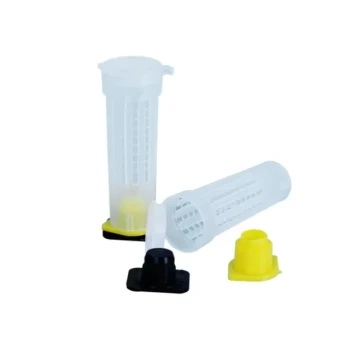
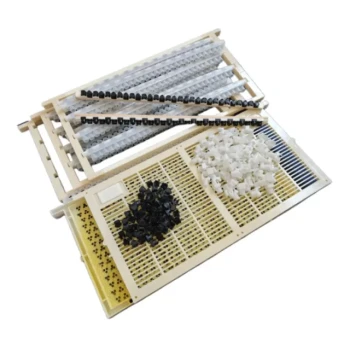
To address queen issues at the source, you must move beyond reliance on natural swarming or emergency queen cells. Specialized queen rearing equipment is the foundation of commercial management.
This equipment allows you to systematically cultivate new, high-quality queens. By controlling the rearing process, you ensure a consistent supply of strong genetics to populate your operation.
Managing Introduction and Replacement
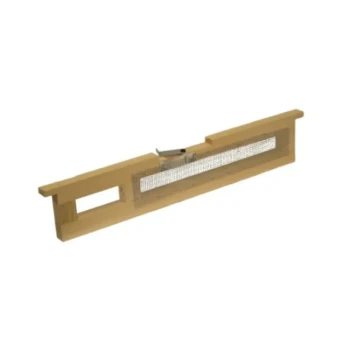
Even the best stock is useless if the transition process fails. An adequate inventory of queen introduction tools, specifically queen cages, is vital for day-to-day operations.
These tools are critical when replacing aging queens, failing queens, or those that have become drone-layers. Regular replacement using these cages is the primary mechanism for maintaining high colony strength and minimizing abnormal loss rates.
Tools for Precision Quality Control
Objective Physical Assessment
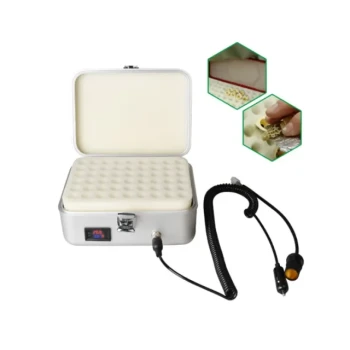
Subjective visual inspections are often insufficient for commercial standards. High-precision measurement tools are necessary to move from guesswork to data-driven management.
You specifically need tools capable of accurately measuring the weight and body length of your queens. These metrics serve as the objective basis for evaluating a queen's reproductive capacity and market competitiveness.
Validating Nutrition Programs
Measurement tools also function as a diagnostic for your colony management protocols. They allow you to test the effectiveness of bioactive supplementation and feeding programs.
Data indicates that optimized feeding can increase queen weight by 22.6 percent and body length by 53.1 percent. Without precision tools to track these changes, you cannot accurately assess if your nutritional investments are yielding returns.
Understanding the Trade-offs
The Cost of Data vs. Intuition
While high-precision measurement tools provide undeniable value, they introduce a trade-off in labor and time. collecting quantitative data on body length and weight is more resource-intensive than a simple visual check.
However, the risk of skipping this step is retaining sub-par queens. Relying solely on rearing and introduction tools without the validation of measurement tools can lead to a "quantity over quality" trap, where queens are replaced regularly but colony productivity remains stagnant due to poor physical development.
Making the Right Choice for Your Goal
To maximize the efficiency of your Apis cerana apiary, align your tool selection with your immediate operational objectives:
- If your primary focus is stabilizing colony numbers: Prioritize investment in queen cages and rearing equipment to ensure you can rapidly replace failing or drone-laying queens to stop loss rates.
- If your primary focus is increasing stock value and productivity: Focus on integrating high-precision measurement tools to rigorously audit your feeding protocols and ensure every queen meets strict physical standards.
Success lies in closing the loop: rear with precision, measure the results, and replace with confidence.
Summary Table:
| Tool Category | Specific Equipment | Primary Function | Impact on Apiary |
|---|---|---|---|
| Lifecycle Management | Queen Rearing Kits | Systematic cultivation of new stock | Ensures consistent, high-quality genetics |
| Introduction Tools | Queen Cages | Safe replacement of aging/failing queens | Maintains colony strength; reduces loss |
| Quality Control | High-Precision Scales/Calipers | Measuring queen weight and body length | Objective assessment of reproductive capacity |
| Diagnostics | Data Tracking Tools | Validating nutritional & feeding programs | Verifies ROI on bioactive supplementation |
Elevate Your Commercial Apiary with HONESTBEE
At HONESTBEE, we specialize in empowering commercial apiaries and distributors with the professional tools needed to master queen management. From specialized hardware and honey-filling machines to high-precision queen rearing equipment, our comprehensive wholesale portfolio covers every stage of the honey production lifecycle.
Whether you are scaling your operation or sourcing essential consumables, we provide the industrial-grade machinery and hardware required to ensure your queens meet the highest physical standards. Partner with HONESTBEE to boost your colony productivity and market competitiveness today.
Contact Our Commercial Experts
References
- Chao Chen, Wei Shi. Managed honeybee colony losses of the Eastern honeybee (Apis cerana) in China (2011–2014). DOI: 10.1007/s13592-017-0514-6
This article is also based on technical information from HonestBee Knowledge Base .
Related Products
- Jenter Queen Rearing Kit Complete Set for Bee Breeding
- Premium Nicot Style Queen Rearing Kit with Hair Roller Bee Cages
- No Grafting Queen Rearing Kit: System for Royal Jelly Production and Queen Rearing
- Nicot Queen Rearing Kit for Beekeeping and Grafting in Nicot System
- Retractable Chinese Queen Rearing Grafting Tools Equipment
People Also Ask
- What is the primary function of a queen rearing kit? Eliminate Manual Grafting for Superior Bee Breeding
- What are some alternative methods to grafting for queen cell production? Discover Graft-Free Queen Rearing Systems
- How do specialized queen rearing kits and queen management tools improve the success rate of bee colony expansion?
- How do you prepare the frame for the Queen Rearing kit? Boost Queen Acceptance & Larval Quality
- How is 'active' queen rearing defined in beekeeping? Master Intentional Colony Management & Genetic Control