Specialized protective housings and hive cover adapters act as the critical defense system for sensitive beehive monitoring hardware. They safeguard microelectronics from the corrosive, biologically active environment inside the hive—specifically humidity and propolis—while simultaneously ensuring sensors remain securely anchored against physical displacement.
Core Takeaway: The internal environment of a beehive is hostile to electronics due to constant moisture and bee secretions. Specialized hardware protection is not optional; it is required to prevent circuit corrosion and to maintain the precise sensor positioning necessary for consistent, accurate data collection.
The Defense Against Environmental Hazards
Isolating Sensitive Components
The primary role of specialized protective housings is to isolate delicate microelectronics from the harsh internal atmosphere of the hive.
Without this isolation, high humidity levels natural to the colony can rapidly lead to moisture ingress. This exposure is the leading cause of circuit corrosion, which permanently destroys monitoring equipment.
The Propolis Barrier
Bees actively produce secretions, most notably propolis (bee glue), to seal cracks and stabilize their hive.
Protective housings create a physical barrier against these secretions. This prevents the sticky, resinous substance from fouling the hardware or physically clogging sensitive sensor ports.
Weatherproofing
Beyond the internal biological threats, these housings provide a shield against harsh outdoor weather. They maintain the integrity of the electronics regardless of external rain or temperature fluctuations that might affect the hive's exterior.
Stability and Sensor Precision
Anchoring the System
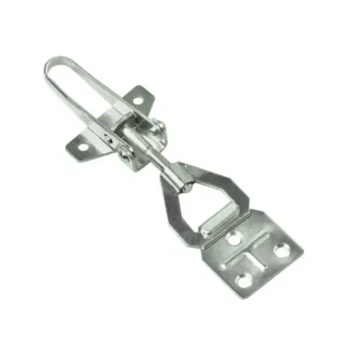
Hive cover adapters are designed to securely mount equipment to the hive lid or specific frames.
This rigidity prevents the monitoring system from being knocked loose or shifted by routine beekeeping operations, such as inspections or honey harvesting.
Optimizing Data Collection
Stability is not just about safety; it is about data quality. Adapters ensure microphones and sensors are locked in the optimal position for sound collection.
Countering Bee Activity
A thriving colony is physically active. Without the secure mounting provided by adapters, the sheer movement and activity of thousands of bees could displace lightweight sensors.
Adapters negate this risk, ensuring the hardware remains stationary despite the constant physical vibrations and movement within the colony.
Common Pitfalls to Avoid
Overlooking the "Specialized" Requirement
A common mistake is assuming standard waterproof casings are sufficient for beehives. Standard casings often fail to account for the chemical complexity of propolis, which can degrade generic materials or seal over essential air gaps needed for sensors.
Ignoring Mounting Rigidity
Failing to use proper cover adapters often leads to "drifting" data. If a sensor shifts even slightly due to bee activity, the audio profile changes, rendering historical data comparisons inaccurate.
Making the Right Choice for Your Goal
To ensure your monitoring project succeeds, prioritize the protective elements that align with your specific objectives:
- If your primary focus is hardware longevity: Prioritize protective housings with high-grade sealing to prevent corrosion from humidity and propolis buildup.
- If your primary focus is data accuracy: Prioritize hive cover adapters that guarantee rigid, repeatable positioning of microphones for consistent sound analysis.
investing in specialized protection is the only way to transform fragile electronics into reliable, long-term research tools.
Summary Table:
| Protection Feature | Primary Benefit | Threat Addressed |
|---|---|---|
| Protective Housings | Isolates microelectronics | Humidity, corrosion, and propolis fouling |
| Hive Cover Adapters | Ensures rigid mounting | Physical displacement and sensor drifting |
| Weatherproofing | Maintains hardware integrity | Rain, temperature fluctuations, and external moisture |
| Sensor Port Security | Optimizes data collection | Bee secretions and internal debris accumulation |
Maximize Your Colony Insights with HONESTBEE
Protect your investment and ensure data precision with the right hardware protection. HONESTBEE specializes in supporting commercial apiaries and distributors with high-quality, durable solutions. From specialized hardware protection and hive-making machinery to comprehensive honey-filling systems and cultural merchandise, we provide the full spectrum of tools needed to scale your operations.
Ready to upgrade your apiary with professional-grade equipment?
Contact HONESTBEE Today to learn how our wholesale offerings can enhance your efficiency and long-term research success.
References
- Muhammad Zahid Sharif, Baizhong Yu. Honeybee (Apis spp.) (Hymenoptera: Apidae) Colony Monitoring Using Acoustic Signals from the Beehive: An Assessment by Global Experts and Our Feedback. DOI: 10.3390/agriculture13040769
This article is also based on technical information from HonestBee Knowledge Base .
Related Products
- Inner Beehive Cover for Beekeeping Bee Hive Inner Cover
- Telescopic Beehive Outer Cover Lid Roof with Galvanised Sheeting for Langstroth Hive and Beehive Outer Cover
- Metal Hive Feet Bee Hive Stand for Ant Protection
- Black Plastic Beetle Barn Hive Beetle Trap for Beehives
- Heavy Duty Adjustable Hive Connector
People Also Ask
- What is the purpose of the inner cover in a beehive? A Key to Hive Health & Easy Management
- What is the function and placement of an inner cover in a beehive? Essential Hive Management Guide
- What is the purpose of the inner and outer covers in a beehive? Essential for Hive Health & Management
- What is a beehive's inner cover and how is it used? Essential Guide for Hive Insulation and Ventilation
- What are the functions of the inner and outer covers on a beehive? Essential Guide for Hive Protection and Management