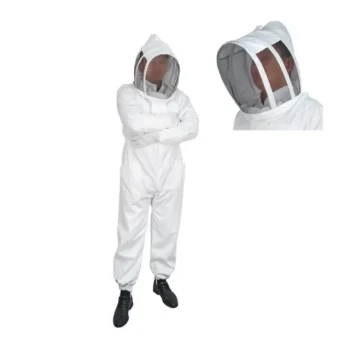
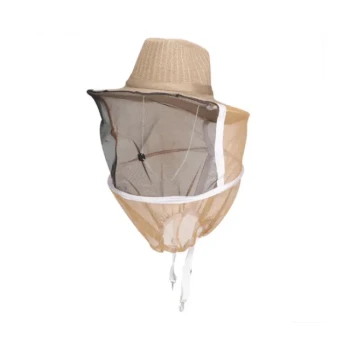
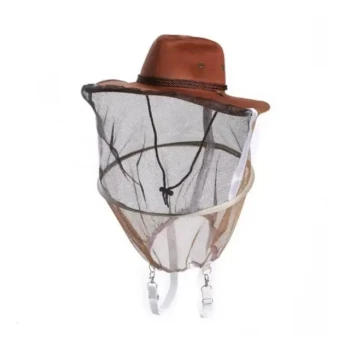
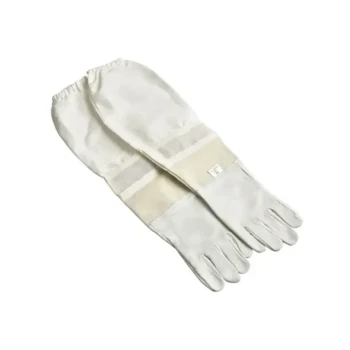
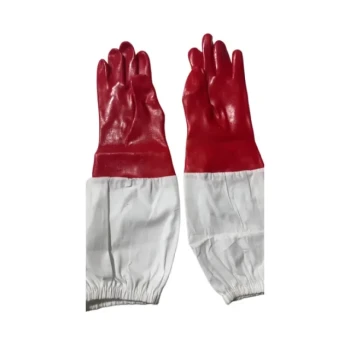
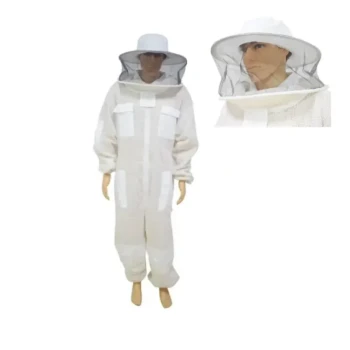
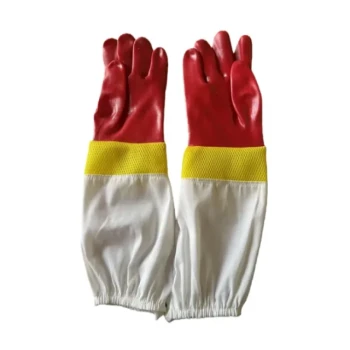
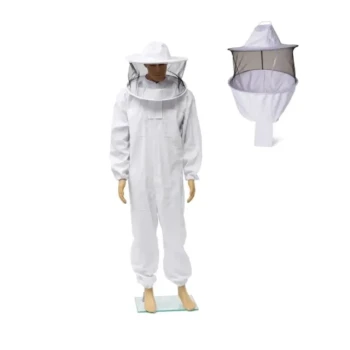
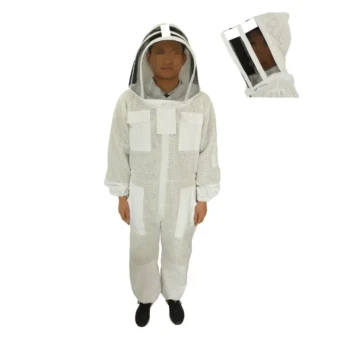
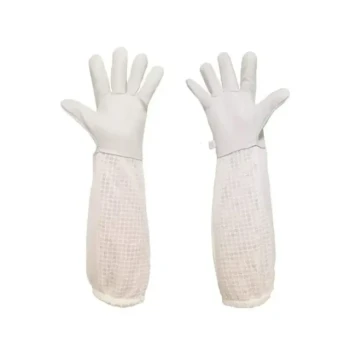
When choosing protective beekeeping clothing, the decision hinges on specific design and construction features that ensure both safety and longevity. You should prioritize a suit equipped with multiple pockets for essential tools, double-stitched seams for durability, and tight elastic around the ankles and wrists to create a secure seal against bees. Additionally, verify that the garment is made from strong, durable materials that are machine washable to facilitate easy cleaning.
The function of protective gear extends beyond physical safety; it provides the psychological security needed to work calmly. By removing the fear of stings, quality clothing allows you to focus entirely on hive maintenance rather than your own safety.
Assessing Build Quality and Material
The construction of your gear determines how well it stands up to the rigors of the apiary.
Seam Integrity
Double-stitched seams are a critical requirement for beekeeping clothing. Single stitching is prone to failure under stress, which creates gaps where bees can enter. Double stitching ensures the garment remains intact during heavy lifting and repetitive movements.
Secure Seal Points
Bees will naturally crawl upward and seek openings. Therefore, tight elastic around the wrists and ankles is non-negotiable. This prevents bees from crawling up your sleeves or pant legs, which is a common stinging scenario.
Material Durability and Hygiene
Select clothing made from strong fabrics capable of resisting tears from hive boxes or vegetation. Equally important is the ability to machine wash the gear. Regular washing removes dirt, contaminants, and alarm pheromones (from previous stings) that can agitate bees during future inspections.
Functionality and Fit
Beyond basic protection, the gear must be practical for actual fieldwork.
Utility and Storage
A quality suit or jacket must feature multiple pockets. You need immediate access to hive tools, queen cages, or markers. Having these items on your person prevents unnecessary movement back and forth to your equipment box.
The Importance of a Loose Fit
While the cuffs must be tight, the overall fit of the suit should be loose. It is often advisable to choose a size larger than your standard clothing. A loose fit allows for better freedom of movement and creates an air gap between the fabric and your skin, making it harder for a stinger to reach you.
Understanding the Trade-offs: Full Suits vs. Jackets
Choosing between a full suit and a jacket involves balancing protection against convenience and heat management.
Full Suits
Pros: Provide comprehensive head-to-toe protection. They are the safest option for beginners or for thorough, long-duration hive inspections. Cons: Can be cumbersome to put on and remove. They are significantly hotter, which can be dangerous in high-temperature environments.
Jackets with Veils
Pros: Offer greater agility and are cooler to wear. Many beekeepers transition to jackets as they gain experience and confidence. Cons: Leave the legs exposed. This requires wearing thick pants separately and creates a potential entry point at the waist if not secured properly.
Making the Right Choice for Your Goal
Select your gear based on your experience level and the specific tasks you perform.
- If your primary focus is maximum safety and confidence: Choose a full body suit with double-stitched seams; this is ideal for beginners or aggressive hives where total exclusion is necessary.
- If your primary focus is speed and agility: Opt for a high-quality jacket with a veil, which provides sufficient upper-body protection for brief assessments while keeping you cooler.
- If your primary focus is longevity and value: Prioritize heavy-duty fabrics that are machine washable, ensuring the gear remains hygienic and intact over years of use.
The best protective clothing is the one that gives you the confidence to work your bees effectively and calmly.
Summary Table:
| Feature | Key Requirement | Benefit to Beekeeper |
|---|---|---|
| Seams | Double-stitched | Ensures long-term durability and prevents bee entry points. |
| Cuffs | Tight elastic (wrists/ankles) | Creates a secure seal to prevent bees from crawling inside. |
| Material | Heavy-duty & Machine washable | Resists tears and allows removal of alarm pheromones. |
| Fit | Loose-fitting (Size up) | Enhances mobility and provides an air gap to prevent stings. |
| Storage | Multiple utility pockets | Provides easy access to hive tools and markers during work. |
| Coverage | Full suit vs. Jacket | Full suits offer maximum safety; jackets offer better cooling. |
Elevate Your Apiary Operations with HONESTBEE
At HONESTBEE, we specialize in supporting commercial apiaries and distributors with premium-grade beekeeping solutions. Whether you need durable protective clothing, specialized hive-making machinery, or efficient honey-filling equipment, our comprehensive wholesale portfolio is designed to enhance your efficiency and safety.
Why partner with us?
- Full-Spectrum Supply: From essential consumables to advanced industrial machinery.
- Quality Assurance: Gear built to withstand the rigors of commercial beekeeping.
- Targeted Support: Custom solutions for large-scale operations and retailers.
Ready to scale your business with the industry's most reliable equipment? Contact us today to explore our wholesale catalog and see how HONESTBEE can empower your success.
Related Products
- Premium Cotton Beekeeper Suit with Reinforced Fencing Veil
- White Cotton Beekeeping Jacket and Veil for Bee Keepers
- Beekeeping Jacket with Hood and Veil for Beekeepers
- Beekeeper Cowboy Hat and Veil for Beekeeping
- Premium Cowboy Beekeeper Hat with Visibility Veil Outdoor Professional Beekeeping Protective Gear
People Also Ask
- What material and design specifications are recommended for a high-quality beekeeper suit? Top Gear Selection Guide
- How to Pre-treat Propolis Stains on Beekeeping Suits? Master Advanced Fabric Care and Soil Removal
- What features should be considered for sting protection in a beekeeping suit? Ensure Total Safety and Comfort
- What are the differences between full suits and jackets with veils in beekeeping? Choose Your Best Protection
- What features should be looked for in a beekeeping suit for maximum comfort? Prioritize Ventilation and Fit