Used beekeeping equipment can reduce upfront costs, but it can also introduce serious disease, contamination, and compatibility problems into an apiary. The greatest risk is persistent pathogens—especially in wooden hive parts, frames, and drawn comb—that may remain infectious long after the previous colony has died. Apiary managers should verify provenance, require an official inspection certificate, quarantine and disinfect acceptable items, and use new equipment when disease history or condition is uncertain.
The cheapest equipment is not necessarily the lowest-cost option. A single contaminated hive component can spread disease across an apiary, while non-standard parts and chemical residues can reduce productivity and create additional replacement costs.
Why Used Equipment Creates Apiary Risk
Persistent bee disease pathogens
Wooden hive bodies, bottom boards, covers, frames, and other porous components can retain pathogens for extended periods. Storage alone does not reliably make contaminated equipment safe.
A major concern is American foulbrood (AFB), whose spores can remain in equipment and later infect a new colony. Other transmissible brood diseases may also be present without obvious signs during a visual inspection.
Hidden contamination in apparently empty hives
An empty hive is not necessarily a clean hive. Equipment may have been removed after a colony died from disease, leaving contamination in cracks, joints, wax, propolis, or other inaccessible areas.
This is particularly dangerous when equipment is purchased through auctions or from unknown sellers with limited records.
Chemical residues in drawn comb
Used drawn wax may contain accumulated pesticides, miticides, or other chemical residues from previous colony treatments and environmental exposure. These residues can affect colony health, productivity, and the quality of products produced by the apiary.
For this reason, used drawn comb deserves more caution than empty, non-porous equipment. Replacing the wax may be safer than transferring it directly into a new colony.
Non-standard dimensions
Second-hand hive components may not follow current or locally accepted dimensions. Small dimensional differences can disrupt bee space, frame fit, and the interchangeability of boxes, frames, covers, and bottom boards.
The result may be difficult inspections, damaged comb, increased burr comb, equipment gaps, and slower hive management.
Uncertain value and condition
Used equipment can be difficult to locate and price accurately. Wear, rot, warping, hidden repairs, missing hardware, and outdated designs may not be apparent from photographs or a brief inspection.
A low purchase price can become uneconomical if the equipment requires extensive refurbishment or cannot integrate with the apiary’s existing inventory.
How Apiary Managers Can Mitigate the Risks
Prefer new equipment for high-biosecurity operations
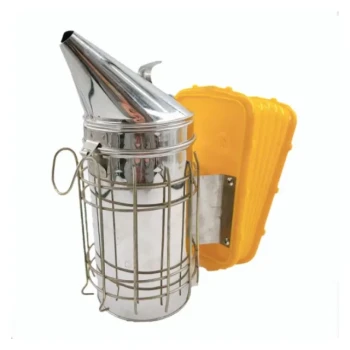
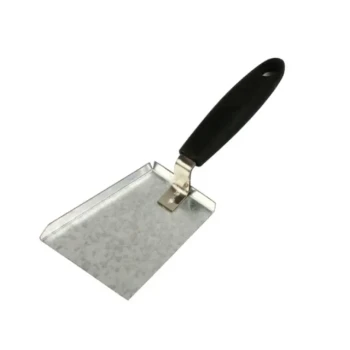
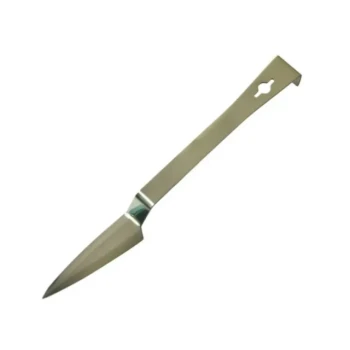
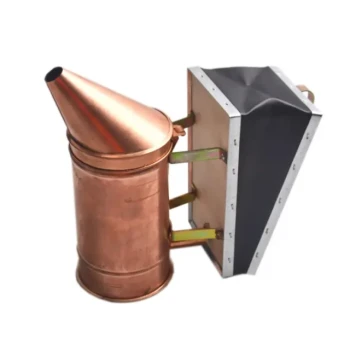
For commercial apiaries, new entrants, and operations with strict disease-control requirements, new hive kits and new tools are generally the safest choice. New protective clothing and tools also reduce the likelihood of transferring contamination between apiaries.
This approach is especially important when the seller cannot provide a reliable disease history or when equipment will be distributed across multiple locations.
Verify provenance before purchase
Ask where the equipment came from, how long it was used, why it was sold, and whether the previous apiary experienced disease or colony losses. Prefer equipment from a reputable beekeeper or established supplier with traceable records.
Avoid purchases where the seller is unwilling or unable to identify the equipment’s origin.
Require official inspection documentation
Before introducing used hive components, request an inspection certificate from a state or certified apiary inspector confirming that the equipment was examined and found free of transmissible disease.
Treat the certificate as an essential risk-control document, not merely as optional paperwork. Confirm that it applies to the specific equipment being purchased and that it satisfies local regulatory requirements.
Inspect and quarantine the equipment
Keep used equipment physically separated from established colonies until it has been assessed and cleared. Do not place it in a storage area where clean equipment is kept.
Inspect wood for staining, abnormal scale or residue, damaged joints, rot, wax buildup, and evidence of prior colony death. Quarantine does not replace inspection or disinfection, but it limits the consequences of an incorrect initial assessment.
Clean, disinfect, or discard appropriately
Use cleaning and disinfection procedures appropriate to the equipment material and the suspected disease risk. Porous or heavily contaminated wooden parts may be impractical to sterilize reliably and should be discarded rather than reused.
Do not assume that ordinary washing, sunlight, or prolonged storage eliminates disease spores.
Replace questionable wax and comb
When the history of drawn comb is uncertain, remove and replace the wax rather than transferring it directly to new colonies. This reduces exposure to both persistent pathogens and accumulated chemical residues.
Frames and other components should still be assessed after wax removal, because contamination may remain in the wood.
Confirm dimensional compatibility
Measure boxes, frames, covers, bottom boards, and other components before purchase. Compare them with the apiary’s established equipment standard and verify that replacement parts are readily available.
A standardized inventory improves interchangeability, simplifies transport, and reduces labor during inspections and seasonal operations.
Risks in Mobile and Migratory Operations
Equipment movement increases exposure
Forklifts, hive stands, transport equipment, hive bodies, and frames may move between locations during pollination or migratory operations. Without rigorous cleaning and disinfection, reused equipment can carry pathogens between apiaries and geographic areas.
The larger the operation, the greater the potential scale of a cross-contamination event.
Use a documented sanitation process
Managers should establish written procedures for cleaning, disinfecting, inspecting, and releasing equipment for reuse. Assign responsibility for each step and retain records linking equipment to locations and colonies.
Mobile equipment should not be treated as low risk simply because it does not directly hold bees; contaminated surfaces can still transfer material between sites.
Understanding the Trade-offs
Lower capital cost versus biosecurity exposure
Used equipment may reduce initial spending, which can be useful when expanding an apiary or testing a new operating model. However, the financial impact of an introduced disease outbreak can exceed the original savings through colony losses, treatment, equipment destruction, downtime, and regulatory controls.
The purchase decision should therefore consider total risk-adjusted cost, not only the seller’s price.
Inspection certificates are valuable but not absolute
An official certificate provides important evidence that equipment was inspected, but it does not make every used item risk-free. Inspection quality, timing, scope, and local disease conditions all matter.
Managers should combine certification with provenance, physical assessment, quarantine, sanitation, and cautious handling of wax and porous materials.
Used equipment is a poor starting point for beginners
New beekeepers may find it difficult to identify disease evidence, assess fair value, or recognize non-standard dimensions. They are also more likely to introduce contaminated equipment before establishing effective biosecurity procedures.
Beginners should generally use new, standardized equipment or obtain used equipment only through experienced professionals who can verify its condition and history.
How to Apply This to Your Apiary
Select equipment based on the operational objective and the acceptable level of biosecurity risk:
- If your primary focus is disease prevention: Purchase new hive components and tools from reputable suppliers, particularly when provenance, inspection records, or disease history are uncertain.
- If your primary focus is reducing capital expenditure: Consider used equipment only with verified provenance, an official inspection certificate, quarantine, appropriate disinfection, and a budget for replacing unsafe parts.
- If your primary focus is operational efficiency: Standardize dimensions across the apiary and reject components that do not maintain correct bee space or interchange with existing equipment.
- If your primary focus is migratory or pollination operations: Use documented sanitation and release procedures for all mobile equipment moving between apiaries or regions.
A disciplined purchasing process protects colonies, preserves operational continuity, and ensures that apparent savings do not become an expensive biosecurity failure.
Summary Table:
| Risk | Mitigation |
|---|---|
| Persistent pathogens | Verify provenance, require inspection certificate, quarantine, disinfect or discard porous items |
| Hidden contamination | Inspect thoroughly, quarantine, and disinfect non-porous items, discard heavily contaminated wood |
| Chemical residues in comb | Replace used drawn comb with new foundation |
| Non-standard dimensions | Measure components, confirm compatibility with existing equipment |
| Uncertain value and condition | Inspect personally, calculate total risk-adjusted cost, consider new equipment if uncertain |
| Movement in mobile operations | Implement documented sanitation and release procedures |
| For beginners | Prefer new equipment or get expert verification of used items |
Protect your apiary with reliable equipment from HONESTBEE. We offer a comprehensive range of new, certified beekeeping supplies, from hive-making machinery to essential tools. Ensure operational continuity and biosecurity compliance. Contact us today for a quote and expert advice.
Related Products
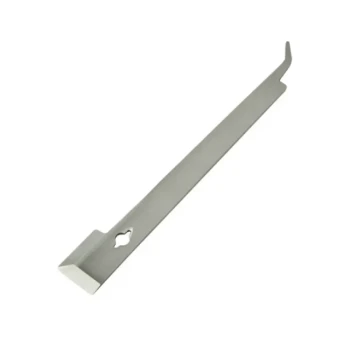
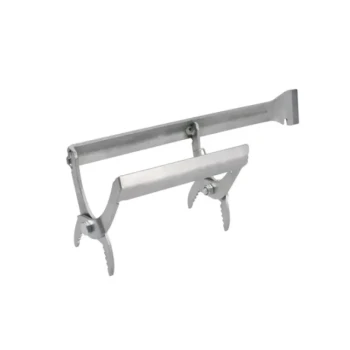
- Stainless Steel J Hook Hive Tool for Beekeeping
- HONESTBEE Classic Pry Bar Hive Tool with High Visibility Finish for Beekeeping
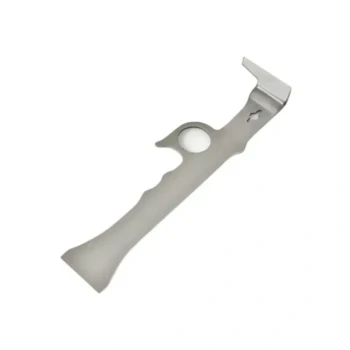
- HONESTBEE Advanced Ergonomic Stainless Steel Hive Tool for Beekeeping
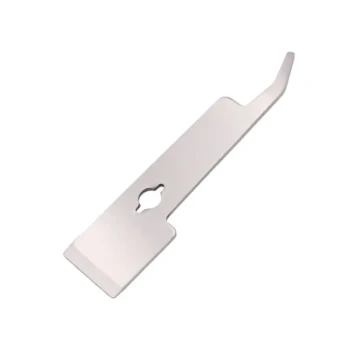
- HONESTBEE Professional Mini J-Hook Hive Tool for Beekeeping
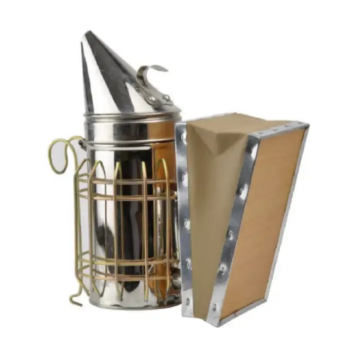
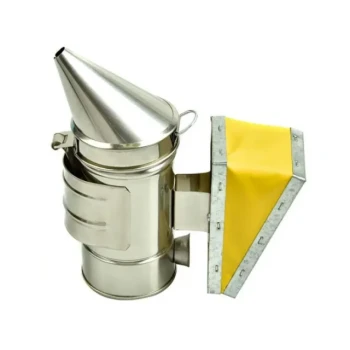
- Stainless Steel Honey Bee Smoker Hive and Honeycomb Smoker for Beekeeping
People Also Ask
- What specific challenges do beekeeping hive tools address during hive maintenance? Essential Solutions for Apiaries
- What are the features of a J-hook hive tool? Effortlessly Lift Frames with Superior Leverage
- What is a J-hook hive tool and why is it favored by some beekeepers? Master Gentle Frame Handling
- What is the purpose of the J-hook hive tool? Effortlessly Lift Frames with Superior Leverage
- How is a J-hook hive tool designed and what is its primary use? Master Effortless Hive Inspections