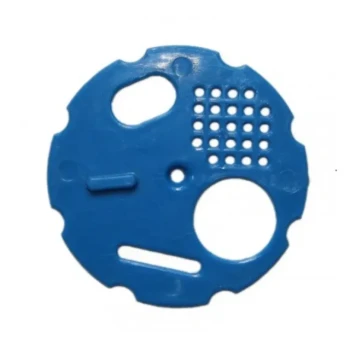
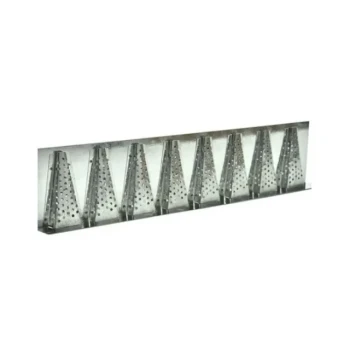
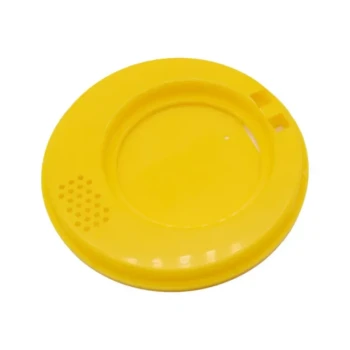
Beehive entrance modification devices serve as a critical physical firewall for your apiary's biosecurity defense. By altering the geometry of the hive's access points—typically through narrow tube-style entries or relocated upper entrances—these devices confuse and physically obstruct invasive pests while significantly amplifying the defensive power of your guard bees.
Core Takeaway: Entrance modifiers act as a force multiplier for colony defense, offering a low-cost, high-efficiency hardware solution that physically obstructs pests and allows a small number of bees to defend the hive effectively.
The Mechanics of Physical Exclusion
Creating Geometric Barriers
The primary function of these devices is to alter the physical path required to enter the hive.
Standard wide entrances offer an "open door" for pests. In contrast, narrow tube-style entries create a complex, constricted passageway that acts as a navigational baffle for invasive species.
Targeting Specific Pests
This hardware optimization is particularly effective against pests like the small hive beetle.
By complicating the entry route, you increase the difficulty for these pests to gain access to the comb, effectively stopping an infestation before it begins.
Relocation as a Strategy
Modifying the hive to feature an upper entrance rather than a bottom board entrance changes the defensive dynamic.
Many ground-based pests instinctively search for low entry points; relocating the entrance creates a vertical buffer that many invaders fail to navigate.
Enhancing Biological Defense
The Bottleneck Effect
Entrance modifiers do not just block pests; they change the ratio of defenders to intruders.
By narrowing the entry point, you create a strategic bottleneck. This allows a small group of guard bees to defend the colony against a much larger number of intruders, similar to defenders holding a narrow bridge.
Strengthening Guard Capabilities
The primary reference highlights that these devices explicitly strengthen the defensive capabilities of guard bees.
With a restricted entry, guard bees can more easily interrogate and repel incoming traffic, reducing the overall stress on the colony.
Integrating with Broader Biosecurity Systems
The Role of Precision Equipment
While entrance devices protect the front door, they must be paired with standardized equipment.
As noted in the supplementary data, precise processing of hive bodies ensures that frames and boxes fit perfectly. This eliminates unintended gaps or cracks that could serve as alternative entry points for pests, ensuring the entrance device remains the only way in.
Complementary Barrier Systems
It is vital to distinguish between physical barriers (entrance devices) and procedural barriers.
While entrance modifiers stop pests, a barrier management system (using color-coding and isolation) stops the cross-contamination of pathogens. True biosecurity requires using entrance devices to stop beetles, and barrier systems to stop the beekeeper from spreading disease via shared tools.
Understanding the Trade-offs
Potential for Congestion
While narrowing an entrance aids defense, it can impede traffic during peak nectar flow.
If the entrance is too restrictive during a heavy honey flow, foraging bees may experience "traffic jams," potentially reducing the daily yield.
Ventilation Constraints
Modifying entrances often reduces the total surface area available for airflow.
In extremely hot climates, a restricted entrance might complicate the colony's ability to regulate temperature, requiring the beekeeper to provide alternative ventilation solutions that do not compromise security.
Making the Right Choice for Your Goal
To maximize apiary health, you must select the right tool for the specific threat you are facing.
- If your primary focus is Pest Exclusion (Beetles/Mice): Install narrow tube-style or upper entrance devices to create a physical bottleneck that empowers guard bees.
- If your primary focus is Disease Control (Viruses/Bacteria): Prioritize a barrier management system with strict tool isolation, as entrance devices cannot stop microscopic pathogens carried on equipment.
- If your primary focus is Colony Management Efficiency: Invest in standardized, precision-milled frames and boxes to ensure modularity and eliminate structural gaps.
Effective biosecurity is not just about blocking the door; it is about combining physical hardware defenses with disciplined management protocols.
Summary Table:
| Feature | Function in Biosecurity | Benefit to Beekeepers |
|---|---|---|
| Geometric Barriers | Creates complex, constricted passageways | Physically obstructs pests like mice and beetles |
| Bottleneck Effect | Narrows the entry point area | Allows fewer guard bees to defend against more intruders |
| Entrance Relocation | Moves entry to upper levels | Deters ground-based pests from finding hive access |
| Precision Fitting | Eliminates cracks and structural gaps | Ensures the entrance is the only point of entry |
| Ventilation Control | Regulates airflow and entry size | Balances defensive security with colony climate needs |
Secure Your Apiary with HONESTBEE Professional Solutions
Maximize your colony's defense and productivity with high-performance equipment from HONESTBEE. As a premier provider for commercial apiaries and distributors, we offer a complete range of beekeeping tools, specialized hardware, and essential consumables designed for peak biosecurity.
How we add value to your business:
- Precision Manufacturing: Our hive-making and honey-filling machinery ensure standardized, gap-free equipment that eliminates pest entry points.
- Wholesale Excellence: We provide a comprehensive portfolio of tools and honey-themed cultural merchandise at scale.
- Industry Expertise: We help you integrate physical hardware defenses with efficient management protocols to safeguard your investment.
Ready to upgrade your apiary’s hardware? Contact us today to explore our wholesale offerings and see how HONESTBEE can strengthen your operations.
References
- Kristina Gratzer, Robert Brodschneider. How Science Supports Honey Bees: Identification of Research on Best Practices in Beekeeping. DOI: 10.3390/insects16101025
This article is also based on technical information from HonestBee Knowledge Base .
Related Products
- Steel Round Disc Entrance Reducer for Flexzion Bee Hive Nuc Box Gate
- Beehive Entrance Discs Plastic Bee Entrance Disc for Bee Hives
- Beehive Entrance Reducer Guardian Metal Hive Entrance for Bees
- Professional Reversible Beehive Hive Entrance
- Multi-Functional Rotary Hive Entrance Disc for Beekeeping
People Also Ask
- What is the purpose of an entrance reducer for a beehive? Strengthen Colony Defense and Prevent Robbery
- Why are entrance reducers used to counter hornet infestations? Protect Your Hive with Strategic Choke Points
- Why is it critical to maintain a smaller entrance for a newly established bee hive? Boost Colony Growth and Security
- What is the function of an entrance reducer on a beehive? Strengthen Colony Defense and Climate Control
- Under what conditions should a beekeeper adjust the size of a beehive entrance? Seasonal & Defense Management Tips