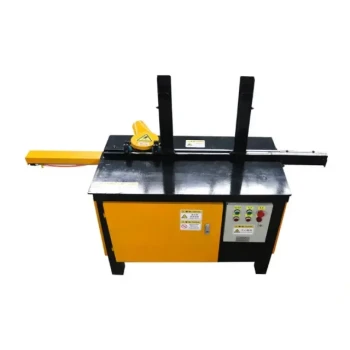
Beekeeping cooperatives function as essential logistical and financial hubs that bridge the gap between individual farmers and industrial-grade production capabilities. They play a pivotal role by leveraging collective purchasing power to procure critical inputs—such as improved beehives, protective gear, and processing machinery—making modern equipment accessible and affordable for members who otherwise could not bear the cost alone.
Cooperatives transform the economics of beekeeping by centralizing the procurement of supplies and shared infrastructure. This collective approach not only lowers per-unit costs but also enforces production standardization, ensuring that fragmented individual yields meet the rigorous quality requirements of global markets.
Overcoming Barriers to Entry
Leveraging Collective Purchasing Power
Individual farmers often face prohibitive costs when attempting to modernize their operations. Cooperatives serve as organizational platforms that aggregate the demand of all members. By buying in bulk, they significantly improve financial capacity, allowing members to acquire modern hives and protective clothing at reduced rates.
Reducing Logistics and Operational Costs
Beyond the sticker price of equipment, the logistics of sourcing supplies can be a drain on small apiaries. Cooperatives centralize the acquisition of tools and consumables. This optimizes the cost structure of inputs and lowers the logistic hurdles for individual producers.
Standardization Through Shared Infrastructure
Access to Industrial-Grade Processing
Small-scale producers generally lack the capital to invest in advanced testing and packaging lines. Cooperatives provide access to shared professional equipment that allows for full-process automation. This includes filtration, storage, and encapsulation technologies that would be out of reach for a solitary farmer.
Converting Fragmented Yields into Commodities
Without standardized equipment, individual yields vary wildly in quality and packaging. Advanced machinery allows the cooperative to convert these fragmented yields into bulk commodities of consistent quality. This uniformity is essential for enhancing bargaining power and meeting international export standards.
Enhancing Market Image
The use of specialized filling and packaging equipment increases the value-added nature of the final product. Automated packaging improves the market image of the bee products. This standardization is a core requirement for serving a larger customer base effectively.
Enhancing Productivity and Management
Reducing Labor Intensity
Modern beekeeping tools are designed to reduce the physical strain of manual labor. By providing access to advanced mechanical tools, cooperatives help increase operational efficiency. This allows beekeepers to handle complex tasks, such as hive migration and pest control, with greater speed and less effort.
Coupled Technical Guidance
Access to equipment is only effective if the operator knows how to use it. Cooperatives provide the necessary technical guidance alongside the hardware. This ensures correct equipment operation and unifies production techniques across the membership.
Understanding the Trade-offs
Standardization vs. Individual Preference
While collective procurement lowers costs, it often requires strict adherence to specific equipment standards. Members may be required to utilize specific hive types or processing methods to ensure the uniformity of the final product. This can limit the flexibility of beekeepers who prefer experimental or niche production methods that differ from the cooperative's standard.
Reliance on Shared Resources
Access to shared infrastructure, such as processing plants, relies on the cooperative’s ability to manage scheduling and maintenance. High demand during peak harvest seasons can create bottlenecks if the shared equipment capacity does not scale with the membership base.
Making the Right Choice for Your Operations
Participating in a cooperative requires aligning your production goals with collective capabilities.
- If your primary focus is lowering production costs: Leverage the cooperative’s bulk procurement channels to acquire essential consumables and hives at a price point below market retail.
- If your primary focus is market expansion: Utilize the cooperative’s shared processing and automated packaging infrastructure to elevate your product to industrial standards without the heavy initial capital investment.
By treating the cooperative as a strategic infrastructure partner, you unlock economies of scale that transform subsistence beekeeping into a competitive commercial enterprise.
Summary Table:
| Key Role | Benefits to Beekeepers | Impact on Production |
|---|---|---|
| Bulk Procurement | Lower per-unit costs for hives, gear, and tools | Reduces initial capital barriers |
| Shared Infrastructure | Access to industrial processing and packaging lines | Enables high-quality, standardized yields |
| Logistics Hub | Centralized sourcing and distribution of consumables | Optimizes operational and transport costs |
| Technical Guidance | Unified training on modern equipment usage | Increases efficiency and reduces labor intensity |
| Market Standardization | Consistent quality and professional packaging | Enhances market image and export potential |
Scale Your Honey Production with HONESTBEE
Are you looking to empower your cooperative or commercial apiary with industrial-grade tools? HONESTBEE is a leading global supplier dedicated to supporting commercial beekeeping operations and distributors.
We provide a comprehensive wholesale portfolio designed to maximize your efficiency, including:
- Specialized Machinery: Advanced hive-making, honey-filling, and automated packaging machines.
- High-Quality Hardware: Durable hives, protective gear, and essential beekeeping tools.
- Industry Consumables: A full spectrum of supplies for large-scale apiary management.
- Cultural Merchandise: Unique honey-themed products to expand your market reach.
Whether you need to upgrade your shared infrastructure or streamline your supply chain, our expert team is ready to deliver tailored solutions.
Contact HONESTBEE Today to discover how our wholesale offerings can transform your beekeeping business into a competitive commercial enterprise.
References
- Kassa Tarekegn, Bosena Tegegne. Factors affecting market supply of honey in Chena district, Kaffa zone, Southern Ethiopia. DOI: 10.5897/jdae2017.0888
This article is also based on technical information from HonestBee Knowledge Base .
Related Products
- Queen Bee Artificial Insemination Instrument Equipment for Instrumental Insemination
- HONESTBEE 15-in-1 Beekeeper Multi-Tool with Hammer and Pliers for Beekeeping
- Stainless Steel Queen Grafting Tool for Beekeeping and Bee Queen Grafting
- Stainless Steel J Hook Hive Tool for Beekeeping
- HONESTBEE Professional Mini J-Hook Hive Tool for Beekeeping
People Also Ask
- Why is maintaining sanitary conditions important during artificial insemination? Protect Your Queen from Fatal Infections
- Why are artificial insemination instruments critical in bee hybridization? Master Genetic Control & Pure Breeding
- What is the core value of bee artificial insemination instruments in breed improvement? Achieve Precise Genetic Control
- Why is professional bee artificial insemination equipment considered a core tool for genetic control in honeybee breeding? Ensure 100% Purity
- Why is high-purity CO2 used for queen bee artificial insemination? Unlock Precision Breeding & Faster Egg-Laying