External pollen traps serve as the primary mechanism for dietary exclusion in controlled honey bee studies. By forcing foraging bees to drop their natural pollen loads at the hive entrance, researchers can effectively restrict the colony's nutritional intake to specific experimental diets, such as specialized pollen patties.
By effectively blocking the influx of wild pollen, these traps allow scientists to isolate dietary variables, ensuring that changes in colony health or larval development can be attributed directly to the experimental nutrition rather than random environmental foraging.
The Mechanics of Control
Creating a Physical Barrier
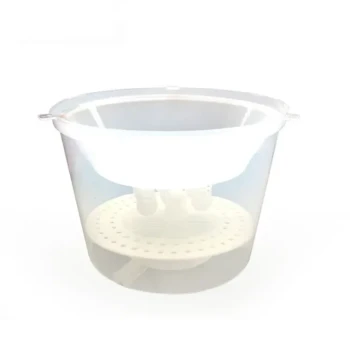
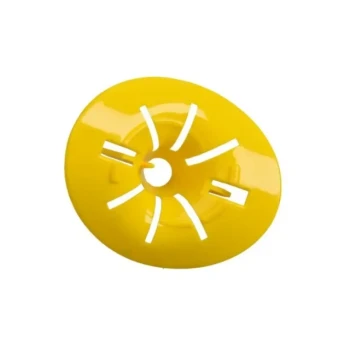
External pollen traps operate by placing a specialized barrier at the hive entrance, typically a plastic plate featuring star-shaped holes.
As returning foragers attempt to pass through these specific openings, the edges of the holes physically scrape the pollen pellets from the bees' hind legs.
Enforcing Experimental Consumption
The primary goal of this mechanical stripping is to force the colony into a state of nutritional dependence.
Because the influx of natural pollen is severely limited, the bees within the hive must turn to alternative food sources provided by the researcher.
This ensures that the colony's protein intake is derived almost exclusively from the supplied experimental diets.
Establishing Single-Variable Research
Targeting Nurse Bees
The restriction of natural pollen is particularly critical for influencing the physiology of nurse bees.
Since nurse bees are responsible for processing protein to feed developing larvae, controlling their diet is essential for studying developmental outcomes.
By ensuring nurse bees consume only the test diet, researchers can track the specific impact of nutritional treatments on the next generation of bees.
Eliminating Environmental Variables
Without pollen traps, a colony would supplement any experimental food with diverse, chemically complex wild pollen from the surrounding environment.
This uncontrolled foraging would introduce unknown variables, making it impossible to determine if a biological effect was caused by the treatment or the wild forage.
The trap effectively "closes the system," allowing for precise, single-variable analysis.
Understanding the Trade-offs
Impact on Colony Resources
While essential for research, it is important to recognize that these traps intentionally create a resource deficit within the hive.
By stripping the colony of its natural protein source, the hive becomes entirely reliant on the quality and quantity of the provided experimental diet.
Mechanical Efficiency vs. Disruption
The design of the trap—specifically the star-shaped holes—is intended to harvest pollen without stopping the bees from flying.
While the supplementary reference notes this allows for efficient collection without disrupting "normal foraging activities," the result of that foraging (nutrient accumulation) is intentionally disrupted for the sake of the experiment.
Making the Right Choice for Your Research
To effectively utilize pollen traps in your experimental design, consider your specific analytical goals:
- If your primary focus is nutritional impact: Use traps to strictly limit natural pollen, forcing the colony to consume only your specific dietary treatment.
- If your primary focus is environmental sampling: Use the traps as a collection tool to gather taxonomic samples without necessarily altering the colony's internal diet for long periods.
Rigorous control of dietary inputs is the only way to transform an observational hive into a precise scientific instrument.
Summary Table:
| Feature | Role in Experimental Control | Impact on Research |
|---|---|---|
| Physical Barrier | Mechanically strips pollen from foragers | Restricts uncontrolled natural protein intake |
| Dietary Isolation | Forces dependence on provided food | Ensures health outcomes are linked to specific test diets |
| System Closure | Eliminates environmental foraging variables | Transforms hives into precise, single-variable instruments |
| Star-Hole Design | Maintains bee flight while collecting pellets | Allows normal foraging activity without nutrient accumulation |
Elevate Your Beekeeping Operations with HONESTBEE
At HONESTBEE, we understand that precision is the foundation of success for commercial apiaries and distributors. Whether you are conducting rigorous research or scaling up honey production, our comprehensive wholesale offering provides the high-quality tools you need to succeed.
From specialized pollen traps and hive-making machinery to advanced honey-filling systems and industry consumables, we supply the full spectrum of equipment to optimize your workflow. Our expertise helps you eliminate variables and maximize output, ensuring your business thrives in a competitive market.
Ready to scale your apiary or restock your distribution line? Contact us today to discover how HONESTBEE’s premium hardware and honey-themed cultural merchandise can add value to your professional portfolio.
References
- Madlen Kratz, Dominique Blache. Nurse bees regulate the larval nutrition of developing workers (<i>Apis mellifera</i>) when feeding on various pollen types. DOI: 10.1093/jee/toae045
This article is also based on technical information from HonestBee Knowledge Base .
Related Products
- Removable Plastic Pollen Trap With Ventilated Tray for Bees Pollen Collector
- 30 cm Plastic Entrance Hole Bee Pollen Trap and Collector
- Plastic Bee Pollen Trap Strips Comb Catcher Collector
- High-Efficiency Diamond Maze Bee Escape for Clearing Supers
- 8 Frame and 10 Frame Propolis Trap Collector Screen for Propolis Collection
People Also Ask
- What are the design principles and advantages of pollen traps in the collection of bee pollen? Boost Your Apiary Yield
- What is the function of professional pollen traps in evaluating honey plants? Quantifying Pollination and Crop Potential
- What functions do pollen traps serve for bee bread production? Optimize Your Raw Material Collection
- What maintenance and pest prevention measures should be taken for pollen traps? Protect Your Hive and Harvest Quality
- How does the use of pollen traps in honeybee hives enhance crop fertilization? Boost Your Yield Through Induced Activity