Industrial drying equipment is the critical link between raw harvest and shelf-stable premium product, as it stabilizes bee pollen by reducing moisture from 25–35% to a safe 10–12%. This precise dehydration process halts microbial degradation and locks in heat-sensitive bio-active compounds like flavonoids, carotenoids, and Vitamin B complexes. For B2B distributors and wholesalers, utilizing professional-grade drying technology is non-negotiable for ensuring product safety, extending shelf life, and maintaining the functional efficacy required for high-end nutritional markets.
Core Takeaway: Professional moisture control transforms highly perishable fresh pollen into a stable commercial commodity by inhibiting toxic fungal growth while preserving the delicate antioxidant profile that defines its market value.
Protecting Biological Integrity Through Precision Moisture Control
Preserving Heat-Sensitive Antioxidants
Industrial-grade drying equipment is engineered to regulate temperatures with extreme precision to protect flavonoids and carotenoids. These components are highly susceptible to oxidative degradation and thermal damage. By maintaining a controlled environment, the equipment ensures the pollen retains its ability to regulate lipid profiles and combat oxidative stress in the end-consumer.
Stabilizing the Nutritional Profile
Beyond antioxidants, professional drying prevents the loss of free sulfhydryl groups, active amino acids, and essential proteins. Standardized dehydration processes are specifically designed to keep Vitamin B complexes intact. This ensures that the raw material meets the rigorous nutritional specifications required by global B2B resellers.
Enhancing Concentration of Bio-actives
Research suggests that properly executed dehydration does more than just preserve; it can actually enhance the concentration of certain antioxidant substances. By removing excess water weight without damaging the cellular structure, the process creates a more potent, nutrient-dense product. This increases the value density for distributors handling bulk shipments.
Mitigating Biological and Chemical Risks
Inhibiting Pathogenic Fungal Growth
Freshly collected pollen is a prime breeding ground for Fusarium, a pathogenic fungus that can lead to the explosive accumulation of mycotoxins. Industrial drying must rapidly reduce moisture within 1 to 2 days of collection to prevent the formation of toxins like zearalenone and deoxynivalenol (vomitoxin). For wholesalers, this is a critical safety checkpoint to avoid costly shipment rejections or recalls.
Controlling Water Activity (aw)
Technical dehydration focuses on reducing the water activity of fresh pollen from approximately 0.7 to a stable 0.3. This physical shift is what prevents the growth of yeasts and molds during long-term storage and international transit. Maintaining low water activity ensures that the sensory characteristics—color, aroma, and taste—remain consistent from the point of origin to the final retailer.
Preventing Spoilage and Fermentation
High moisture levels trigger natural fermentation processes that quickly destroy the commercial value of bee pollen. Professional moisture control effectively shuts down microbial metabolism, turning a highly perishable biological material into a shelf-stable ingredient. This allows for the "deep processing" and long-term inventory management required in modern supply chains.
Understanding the Trade-offs and Technical Pitfalls
Temperature vs. Bio-activity Balance
The most significant challenge in industrial drying is the trade-off between processing speed and nutrient retention. While higher temperatures accelerate moisture removal, they risk "burning off" the very bio-active compounds that provide the product's value. Specialized equipment must utilize a uniform thermal field to ensure no "hot spots" occur within the batch.
The Limitations of Convective Drying
Many small-to-medium enterprises rely on convective drying because of its lower equipment costs and simplicity. However, this method requires meticulous management of the air-transfer medium to ensure uniform drying throughout the entire volume of pollen. Inconsistent drying can leave "wet pockets" that become focal points for mold growth, even if the average moisture content seems acceptable.
How to Optimize Your Sourcing Strategy
Choosing the right processing standard is essential for maintaining a competitive edge in the wholesale bee products market.
- If your primary focus is Maximum Bio-activity: Seek suppliers utilizing low-temperature, high-precision industrial drying that specifically guarantees the retention of flavonoids and Vitamin B complexes.
- If your primary focus is Regulatory Compliance and Safety: Ensure your sourcing partners can demonstrate rapid moisture reduction (within 48 hours) to levels below 12%, specifically to mitigate mycotoxin risks.
- If your primary focus is Cost-Effective Distribution: Utilize convective drying solutions that balance production efficiency with a uniform thermal field to maintain standard commercial quality at a lower price point.
By prioritizing professional moisture control, you ensure that every batch of bee pollen delivered to your clients is a potent, safe, and highly marketable nutritional asset.
Summary Table:
| Feature | Fresh Bee Pollen | Post-Industrial Drying | Impact on Quality |
|---|---|---|---|
| Moisture Content | 25% – 35% | 10% – 12% | Prevents fermentation and spoilage |
| Water Activity (aw) | ~0.7 | ~0.3 | Inhibits pathogenic fungal growth |
| Bio-active Retention | High (Unstable) | Stabilized (High) | Locks in flavonoids & Vitamin B complexes |
| Microbial Risk | High (Fusarium) | Minimal/Safe | Prevents mycotoxins and toxic degradation |
| Shelf Life | Extremely Short | Long-term Stable | Essential for global B2B distribution |
Scale Your Bee Business with HONESTBEE
As a global leader in professional beekeeping solutions, HONESTBEE empowers commercial apiaries and B2B distributors with high-performance machinery and premium consumables. Whether you are looking for advanced pollen processing tools, honey-filling machines, or specialized hive-making equipment, we provide the deep industry expertise and rapid fulfillment you need to maintain a competitive edge.
Why Partner with HONESTBEE?
- Comprehensive Portfolio: One-stop sourcing for everything from industrial hardware to honey-themed merchandise.
- B2B Advantage: Boost your profit margins with our OEM/ODM support and certified, reliable supply chains.
- Exceptional Service: Rapid response times and dedicated support tailored to high-volume wholesalers.
Contact HONESTBEE Today to optimize your supply chain and secure premium-grade inventory for your customers!
References
- Svitlana Furman, Josef Lojda. USE OF BEE POLLEN IN THE DEVELOPMENT OF NEW PRODUCTS FOR THE PREVENTION OF METABOLIC DISORDERS. DOI: 10.64378/iriush.sc.2025.1.5
This article is also based on technical information from HonestBee Knowledge Base .
Related Products
- High Quality Honey Dehumidifier Dryer Thickening Machine for Beekeeping
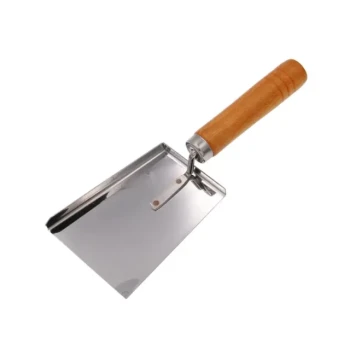
- Stainless Steel Pollen Shovel with Wooden Handle
- Heavy-Duty Ergonomic Grip Galvanized Pollen Shovel
- Plastic Bee Pollen Trap Strips Comb Catcher Collector
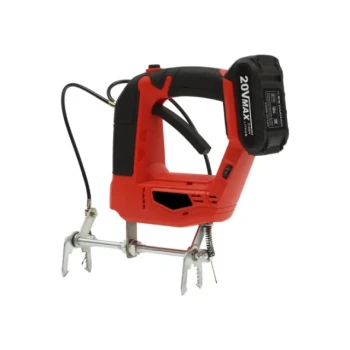
- High Performance Cordless Electric Bee Shaker for Beekeeping
People Also Ask
- Can you dehumidify honey? A Beekeeper's Guide to Preventing Fermentation
- How to dry up honey? The Safe Guide to Stabilizing Honey and Preventing Fermentation
- How can the moisture content of honey be reduced? A Guide to Safe, Effective Drying Methods
- How to remove humidity from honey? Protect Your Harvest from Fermentation
- How to decrease moisture in honey? Prevent Fermentation and Ensure Long-Term Quality