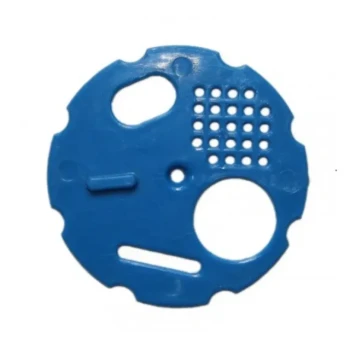
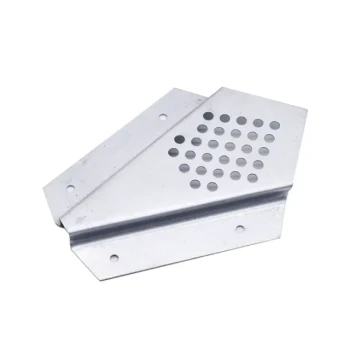
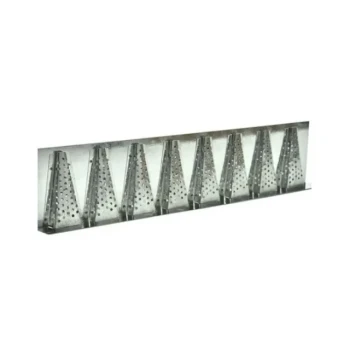
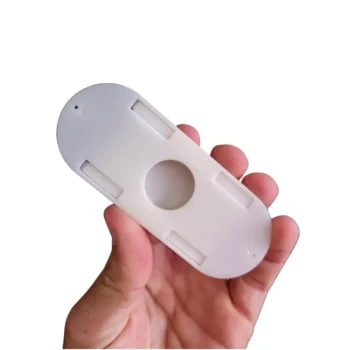
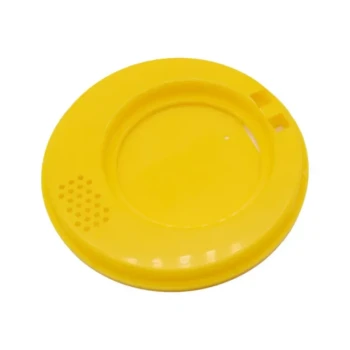
One-way valves and entrance control devices function as physical gatekeepers for commercial bumblebee hives. These mechanisms serve a dual role: they simulate natural nest defense architectures to restrict the entry of large predators, and they act as a precision filter to deter smaller invasive insects. By controlling access points, these devices aim to protect the colony's resources from external threats.
The effectiveness of a hive's defense relies not only on the entrance valve itself but on the overall sealing performance of the hive edges. While valves block larger predators, preventing resource robbing by smaller invaders requires high-precision baffles and airtight structural integrity.
The Mechanics of Hive Defense
Mimicking Natural Architecture
In the wild, bumblebee nests often utilize complex entryways to deter predators. Commercial hives employ one-way valves to replicate these natural defense mechanisms.
The primary function of these devices is to physically restrict the entry of larger predators. By narrowing the access point, the device creates a barrier that resident bumblebees can navigate, but which physically excludes larger Hymenoptera species.
Precision Baffling
For threats that are similar in size to the bumblebee, simple size restriction is insufficient. This is where the precision of entrance baffles becomes critical.
Refined baffle designs are necessary to confuse or block smaller invaders. This specifically targets pests such as certain wasps or leafcutter bees attempting to infiltrate the hive.
The Critical Role of Hive Integrity
Preventing Resource Robbing
The goal of many smaller invasive Hymenoptera is "resource robbing"—stealing nectar or pollen. Entrance devices are the first line of defense against this theft.
However, the primary reference indicates that an entrance device cannot function in isolation. It is part of a broader security system that includes the hive body itself.
The Importance of Edge Sealing
A high-quality valve is rendered ineffective if the rest of the hive structure is compromised. The overall sealing performance of the hive edges is a decisive factor in defense.
If the edges of the commercial box are not sealed tightly, smaller invaders will simply bypass the entrance control device entirely. Therefore, the device's success is intrinsically linked to the build quality of the hive box.
Understanding the Limitations
The "weakest link" scenario
Operators must understand that installing an entrance control device does not guarantee total immunity.
If the precision of the baffles is low, determined smaller wasps can still breach the perimeter. Similarly, gaps in the hive's construction undermine the valve's utility.
Trade-offs in Complexity
While complex baffling increases security, it relies on precise manufacturing.
A poorly designed or fitted valve may fail to simulate the "natural nest defense" effectively, potentially leaving the colony vulnerable to both large predators and small robbers.
Optimizing Commercial Hive Security
To maximize protection against invasive Hymenoptera, you must evaluate both the device and the hive structure.
- If your primary focus is large predators: Select entrance devices with rigid size restrictions that physically prevent the entry of larger insects.
- If your primary focus is resource robbers (wasps/bees): Prioritize the precision of the baffle design and verify the airtight sealing of all hive edges.
True colony defense is achieved only when precise entrance controls are paired with impeccable structural sealing.
Summary Table:
| Defense Feature | Primary Function | Key Requirement |
|---|---|---|
| One-Way Valves | Restricts entry of large predators | Rigid size-specific design |
| Precision Baffles | Filters out smaller invasive Hymenoptera | High-precision manufacturing |
| Edge Sealing | Prevents bypassing of entrance controls | Airtight structural integrity |
| Natural Mimicry | Simulates natural nest defenses | Strategic entry/exit geometry |
Secure Your Apiary Profits with HONESTBEE
Protecting your colonies requires more than just a valve; it demands precision engineering. HONESTBEE specializes in supporting commercial apiaries and distributors with a comprehensive range of high-performance beekeeping tools, specialized machinery, and essential consumables.
From precision-molded hive components and honey-filling machines to advanced one-way entrance controls, our equipment is designed to enhance hive integrity and prevent resource robbing.
Ready to upgrade your wholesale supply or scale your apiary efficiency? Contact our expert team today to discover how HONESTBEE's industrial-grade solutions can safeguard your hives and streamline your operations.
References
- Kelsey K. Graham. Heterospecific Hymenoptera found inside the nests of Bombus impatiens (Hymenoptera: Apidae).. DOI: 10.22543/0090-0222.1842
This article is also based on technical information from HonestBee Knowledge Base .
Related Products
- Steel Round Disc Entrance Reducer for Flexzion Bee Hive Nuc Box Gate
- Beehive Entrance Discs Plastic Bee Entrance Disc for Bee Hives
- Beehive Entrance Reducer Guardian Metal Hive Entrance for Bees
- Professional Reversible Beehive Hive Entrance
- Multi-Functional Rotary Hive Entrance Disc for Beekeeping
People Also Ask
- What is the purpose of an entrance reducer for a beehive? Strengthen Colony Defense and Prevent Robbery
- Why are entrance reducers used to counter hornet infestations? Protect Your Hive with Strategic Choke Points
- Why is it critical to maintain a smaller entrance for a newly established bee hive? Boost Colony Growth and Security
- What is the function of an entrance reducer on a beehive? Strengthen Colony Defense and Climate Control
- Under what conditions should a beekeeper adjust the size of a beehive entrance? Seasonal & Defense Management Tips