Precision measurement instruments serve as the foundational data acquisition layer in digital beekeeping. Their primary function is to collect quantitative parameters—specifically regarding yield, colony density, and resource consumption—transforming organic hive activity into measurable, analyzable metrics.
By converting complex biological behaviors into hard data, these instruments enable the application of physical and mathematical models to the apiary. This creates a bridge between raw nature and digital optimization, allowing for precise control over production processes.
The Shift to Quantitative Management
The core value of precision instrumentation lies in its ability to objectify hive status.
Making Production Measurable
Traditional beekeeping relies heavily on qualitative observation. Precision instruments replace this with quantitative data collection. They continuously track yield indicators and colony density, providing a clear numerical picture of productivity.
Enabling Mathematical Modeling
Once data is collected, it powers the digital workflow. The measurements serve as inputs for physical and mathematical models. These models analyze the data to optimize production, allowing you to move beyond reactive management toward predictive control.
Resource Consumption Tracking
These instruments monitor how the colony utilizes resources. By measuring consumption rates, you gain insight into the metabolic efficiency of the hive, which is critical for calculating winter feed requirements and predicting survival rates.
Real-Time Monitoring and Biological Signals
While the primary reference highlights yield and density, high-precision sensors act as the nervous system for the digital hive.
Capturing Microclimate Data
IoT monitoring equipment tracks internal conditions such as temperature, humidity, and gas levels. This data is not static; it is transmitted via wireless networks to management platforms for immediate processing.
Acoustic Frequency Analysis
Sensors capture acoustic frequencies generated by the bees. These audio signatures are critical indicators of colony mood and health. Algorithms analyze these sounds to predict swarming events or provide early warnings for disease.
Remote Status Identification
This technology facilitates a transition from experience-based management to digital monitoring. Instead of physically inspecting every frame, beekeepers receive remote status updates, significantly reducing labor and hive disturbance.
The Role of Precision Manufacturing
Precision in the workflow extends beyond sensors to the physical construction of the hive itself.
Standardization and Interchangeability
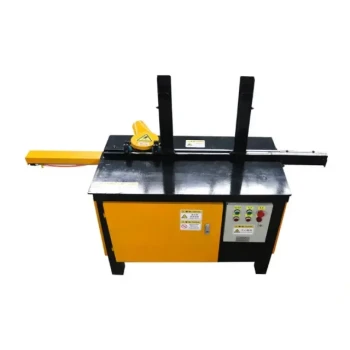
Precision manufacturing machinery ensures hive components have uniform dimensions. In a digital workflow, this standardization is critical because it ensures component interchangeability, streamlining operations in large-scale apiaries.
Optimizing Colony Energy
Precision-manufactured hives provide superior insulation and tighter tolerances. This reduces the energy bees must expend on thermoregulation. Consequently, the colony can redirect energy from heating the hive to collecting pollen and nectar, directly impacting yield.
Understanding the Trade-offs
Adopting precision instrumentation introduces new variables into the beekeeping workflow.
Complexity of Analysis
Moving from "gut feeling" to data-driven models requires a shift in mindset. You must trust algorithmic predictions over visual intuition, which can be difficult during the transition period.
Dependency on Infrastructure
Precision instruments rely on connectivity. The effectiveness of real-time monitoring is dictated by the stability of wireless networks and power sources in remote field locations.
Making the Right Choice for Your Goal
To integrate precision instruments effectively, align your technology choices with your specific management objectives.
- If your primary focus is Production Optimization: Prioritize instruments that measure yield and resource consumption to feed mathematical models for precise output control.
- If your primary focus is Colony Health: Invest in high-precision IoT sensors (acoustic and temperature) to establish early warning systems for disease and swarming.
- If your primary focus is Operational Scalability: Ensure you utilize precision-manufactured hive components to guarantee interchangeability and reduce colony energy waste.
Digital beekeeping is not just about gathering data; it is about using that data to model, predict, and control biological outcomes with mathematical precision.
Summary Table:
| Instrument Type | Key Metrics Captured | Digital Workflow Benefit |
|---|---|---|
| IoT Sensors | Temperature, Humidity, Gas | Real-time microclimate monitoring & disease alerts |
| Acoustic Sensors | Frequency & Audio Signatures | Early swarming detection & colony health analysis |
| Scale Systems | Yield & Resource Consumption | Quantitative production tracking & mathematical modeling |
| Precision Machinery | Component Dimensions | Standardized hive construction & energy efficiency |
Elevate Your Commercial Apiary with HONESTBEE Precision Solutions
Transitioning to a digital beekeeping workflow requires more than just data—it requires high-precision hardware you can trust. HONESTBEE empowers commercial apiaries and global distributors with a comprehensive suite of professional-grade tools. From specialized hive-making and honey-filling machinery that ensures operational standardization to a full spectrum of beekeeping equipment and essential consumables, we provide the infrastructure necessary for scalable growth.
Our value to you:
- For Commercial Apiaries: Reduce labor and optimize yields with equipment designed for precision and durability.
- For Distributors: Access a diverse portfolio of honey-themed merchandise and technical machinery through our robust wholesale offering.
Ready to modernize your operations? Contact our expert team today to discover how HONESTBEE can streamline your digital transition.
References
- Vladimir Saranchin, Bogdan Krivosheya. IMPROVING THE ECONOMIC AND PHYSICO-BIOLOGICAL EFFICIENCY OF BEE PRODUCTION. DOI: 10.55186/2413046x_2024_9_7_313
This article is also based on technical information from HonestBee Knowledge Base .
Related Products
- HONESTBEE Professional Mini J-Hook Hive Tool for Beekeeping
- HONESTBEE Advanced Ergonomic Stainless Steel Hive Tool for Beekeeping
- HONESTBEE 15-in-1 Beekeeper Multi-Tool with Hammer and Pliers for Beekeeping
- Multi-Function Plier-Style Frame Grip Hive Tool
- Double Head Beekeeping Grafting Tools for Beekeepers
People Also Ask
- What specific challenges do beekeeping hive tools address during hive maintenance? Essential Solutions for Apiaries
- What is the recommended method for storing beekeeping tools? Expert Vertical Storage Solutions for Your Apiary
- How does a favorable microclimate interact with beekeeping tools? Boost Overwintering Success and Equipment Longevity
- Why is the treatment of beekeeping tools with high-concentration chemical disinfectants necessary for preventing AFB?
- What is a J-hook hive tool and why is it favored by some beekeepers? Master Gentle Frame Handling