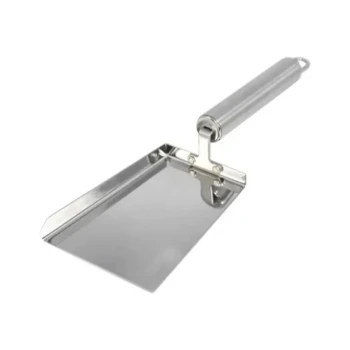
Professional beekeepers and specialized harvesting equipment are the essential pillars of the bee pollen supply chain, ensuring both the biological integrity and the industrial scalability of the product. These professionals act as the primary guardians of purity and bioactivity, utilizing advanced colony management and precision tools like pollen traps to harvest uncontaminated raw materials. For B2B distributors, this combination of human expertise and mechanical standardization is what allows for a consistent, high-quality, and traceable product portfolio.
The central takeaway for the bee pollen industry is that professional management and specialized infrastructure are the only ways to guarantee a stable, high-purity supply at scale. By integrating scientific harvesting methods with industrial-grade equipment, the industry moves beyond unpredictable artisanal production to a reliable, standardized trading environment.
The Human Element: Professional Expertise as a Quality Guard
Guardians of Purity and Bioactivity
Professional beekeepers are responsible for the scientific harvesting of bee pollen, ensuring that the primary products remain fresh and bioactive. They monitor the environment and colony health to prevent contamination, acting as a critical link in the distribution chain that guarantees authenticity.
Advanced Colony Management
Expert apiarists use sophisticated techniques to maintain colony strength, which is the foundation of high-output apiculture. Their deep professional industry expertise allows them to adjust harvesting schedules based on floral cycles, ensuring that distributors receive a diverse and potent full-spectrum product.
The Direct-to-Market Quality Link
By managing the process from the hive to the primary processing stage, beekeepers ensure that the health value of bee pollen is preserved. This direct oversight minimizes the risk of degradation, providing B2B resellers with a product that meets strict international hygiene standards.
The Technological Foundation: Specialized Equipment for Scale
Precision Harvesting with Pollen Traps
Specialized pollen traps are installed at hive entrances to mechanically remove pollen pellets using precisely designed apertures. This physical barrier enables high-efficiency collection while significantly minimizing environmental impurities, ensuring the raw material is of premium grade.
Standardized Infrastructure for Industrial Output
Modern, mechanized beehives provide a controlled environment that protects colonies from predators and adverse weather. These standardized structures allow for efficient frame management, which is the physical basis for scaling operations to meet large-volume wholesale demands.
Mechanization to Counteract Rising Costs
Industrial-grade tools, such as hive-making machinery and specialized maintenance equipment, reduce labor intensity and improve operational efficiency. This level of automation and standardization is what allows beekeeping enterprises to maintain competitive pricing and rapid order fulfillment despite increasing global labor costs.
Understanding the Trade-offs
Equipment Investment vs. Profit Margins
The high cost of industrial-grade harvesting and processing equipment represents a significant initial barrier to entry. While these tools ensure hygiene and standardization, they require substantial capital, which can pressure smaller operations and influence wholesale pricing structures.
Harvesting Efficiency vs. Colony Health
Over-utilizing pollen traps can potentially stress a bee colony if not managed by a professional who understands nutritional requirements. Balancing maximum yield with long-term colony sustainability is a delicate trade-off that requires the intervention of expert beekeepers.
Standardization vs. Artisanal Variation
While mechanized production ensures the consistency required for B2B trading, it may reduce the unique "terroir" or local variation found in smaller, traditional batches. Distributors must decide whether their market values industrial-grade uniformity or artisanal diversity.
Maximizing Value in Your Sourcing Strategy
Choosing the right partners in the bee pollen industry depends on your specific business objectives and the needs of your end-customers.
- If your primary focus is uncompromising product purity: Prioritize suppliers who employ professional beekeepers using advanced, non-destructive pollen traps and scientific harvesting protocols.
- If your primary focus is supply chain scalability and volume: Look for apiaries that utilize standardized, mechanized beehives and industrial-grade processing equipment to ensure consistent output.
- If your primary focus is rapid market response and fulfillment: Select a one-stop sourcing partner with deep industry expertise and an integrated supply chain that leverages technology for fast delivery.
By aligning professional expertise with advanced harvesting technology, you secure a resilient supply chain capable of delivering premium bee products to a global market.
Summary Table:
| Feature | Professional Beekeepers | Specialized Equipment |
|---|---|---|
| Core Function | Scientific harvesting & colony management | Precision collection & industrial mechanization |
| Quality Impact | Ensures bioactivity, purity, and authenticity | Minimizes impurities & ensures standardization |
| B2B Benefit | Deep industry expertise & traceability | High-volume scalability & cost-efficiency |
| Key Tools | Biological monitoring & seasonal scheduling | Pollen traps, hive machinery & filling lines |
Scale Your Beekeeping Business with HONESTBEE
Maximize your profit margins and supply chain reliability with HONESTBEE, your premier one-stop sourcing partner for commercial apiaries and B2B distributors. We provide a comprehensive wholesale portfolio ranging from high-precision beekeeping tools to industrial hive-making and honey-filling machinery.
Why partner with us?
- Full-Spectrum Sourcing: Access everything from essential consumables to honey-themed cultural merchandise.
- B2B Optimization: Benefit from OEM/ODM support, deep industry expertise, and certifications that matter.
- Rapid Fulfillment: Experience ultra-fast delivery and exceptional customer service designed for high-volume resellers.
Ready to elevate your inventory with premium equipment? Contact our expert team today!
References
- M Sławiński, Barbara Jodłowska‐Jędrych. The awareness of Polish society about bee pollen and its health-promoting properties - preliminary assessment of factors determined bee pollen supplementation in survey-based study. DOI: 10.12775/jehs.2020.10.09.099
This article is also based on technical information from HonestBee Knowledge Base .
Related Products
- 30 cm Plastic Entrance Hole Bee Pollen Trap and Collector
- Stainless Steel Pollen Shovel with Wooden Handle
- Heavy-Duty Ergonomic Grip Galvanized Pollen Shovel
- Plastic Bee Pollen Trap Strips Comb Catcher Collector
- Removable Plastic Pollen Trap With Ventilated Tray for Bees Pollen Collector
People Also Ask
- What are the design principles and advantages of pollen traps in the collection of bee pollen? Boost Your Apiary Yield
- Why is frequent harvesting of bee pollen from traps necessary for quality control? Ensure Freshness and Prevent Mold.
- How often should bee pollen be harvested from a trap and why? Master Freshness and Prevent Spoilage
- What function do pollen traps serve in quantitative collection? Boost Your Apiary's Data & Production Efficiency
- What is the primary function of bee pollen traps? Optimize Your Pollen Harvest with Advanced Extraction Efficiency