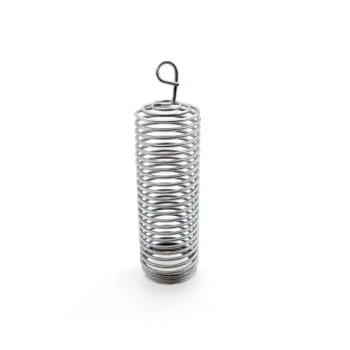
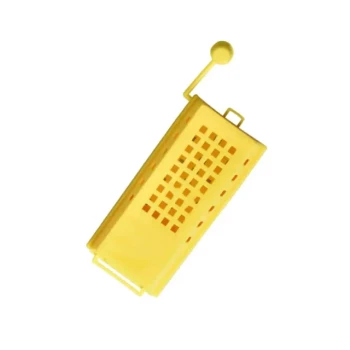
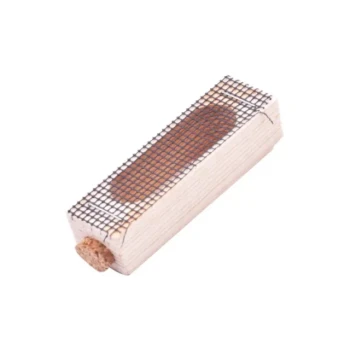
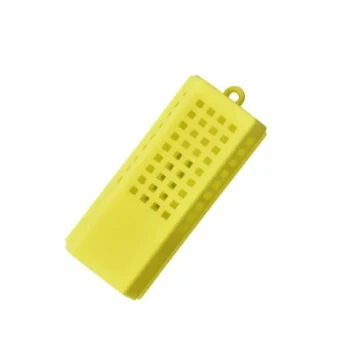
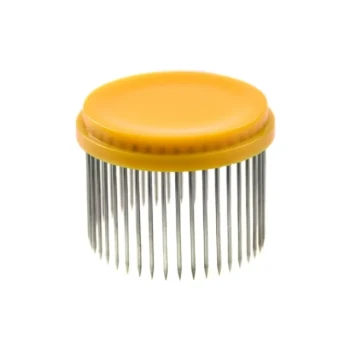
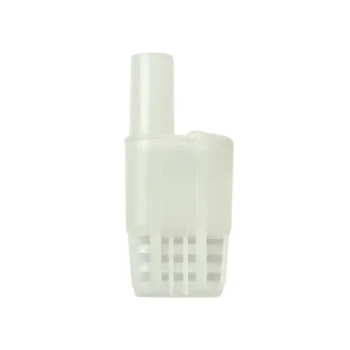
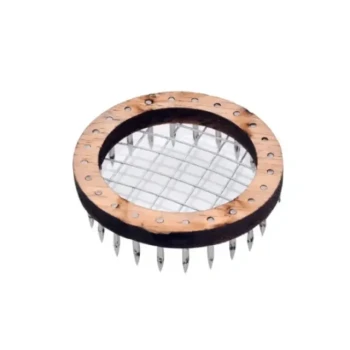
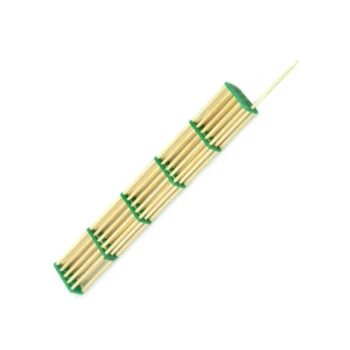
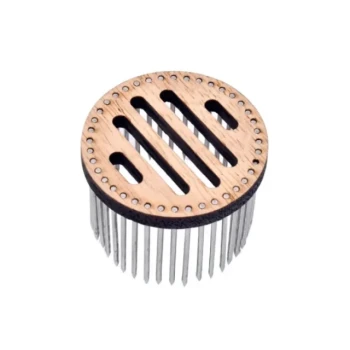
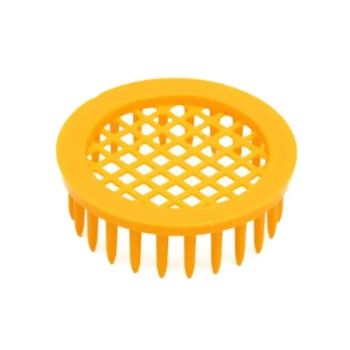
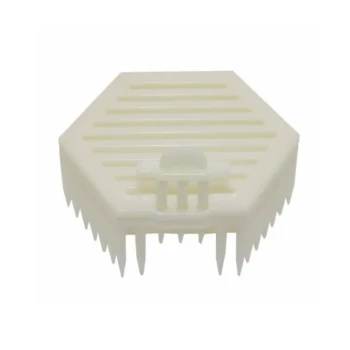
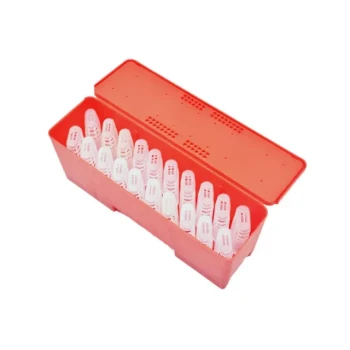
Queen cages serve as a critical mechanical lever for synchronizing Varroa mite vulnerability. By confining the queen to restrict her egg-laying activity, these cages artificially induce a total broodless state within the colony. This process forces all Varroa mites out of the protective capped brood cells and onto the bodies of adult bees, significantly increasing the efficacy of subsequent treatments.
The primary value of a queen cage in mite management is the elimination of the "safe harbor" provided by capped brood. By halting larval production, you force the entire mite population into the exposed phoretic stage, making contact treatments like oxalic acid drastically more effective.
The Mechanics of Induced Brood Breaks
Stopping the Reproductive Cycle
The life cycle of the Varroa mite is inextricably linked to honeybee brood. Mites require bee larvae to reproduce.
By utilizing a queen cage to restrict the queen's movement and prevent egg-laying, you physically break this cycle. Without available larvae, the mites cannot enter the reproduction phase, effectively pausing the expansion of the pest population.
Removing the Biological Shield
In a standard colony, a significant portion of the mite population is hidden beneath the wax cappings of sealed brood cells.
These cappings act as a shield, protecting the mites from many chemical treatments and physical removal methods. The queen cage ensures that, over a specific period, all existing brood emerges and no new brood replaces it.
Forcing the Phoretic Stage
Once the colony is broodless, usually after a period of 21 to 28 days, every mite in the hive has nowhere to hide.
They are forced to attach themselves to adult bees, entering what is known as the phoretic stage. In this exposed state, mites are vulnerable to environmental factors and intervention methods that they would otherwise survive if hidden inside a cell.
Enhancing Treatment Efficacy
Maximizing Contact Rates
Treatments such as oxalic acid rely heavily on direct contact with the mite to be effective.
When a colony has brood, the efficacy of these treatments is limited because they cannot penetrate capped cells to kill the reproducing mites. By caging the queen and creating a broodless period, you ensure the treatment reaches nearly 100% of the mite population.
Simulating Natural Swarming
The use of queen cages effectively simulates the natural conditions of a swarm.
During a natural swarm, the colony experiences a break in brood production, which naturally curbs mite population growth. Caging allows beekeepers to replicate this "sanitizing" biological event in a controlled manner without losing a portion of their bees to swarming.
Understanding the Trade-offs
Impact on Colony Population
It is important to acknowledge that caging the queen halts the production of replacement workers.
While this is effective for pest control, it creates a gap in the colony's demographics. You are trading a short-term pause in workforce growth for a long-term gain in colony health by removing the parasitic load.
The Necessity of Precision
This method requires strict adherence to biological timelines.
The confinement period must be long enough (typically 21-28 days) to allow all capped brood to emerge. Releasing the queen too early leaves a reservoir of protected mites, significantly reducing the efficacy of the follow-up treatment.
Making the Right Choice for Your Goal
To effectively utilize queen cages in your Varroa management strategy, consider the following:
- If your primary focus is maximum treatment kill rate: Cage the queen for at least 21 days to ensure the hive is 100% broodless before applying oxalic acid or similar contact treatments.
- If your primary focus is Integrated Pest Management (IPM): Use the cage to simulate a natural swarm cycle, breaking the mite reproductive curve mechanically to reduce reliance on harsh chemicals throughout the season.
The queen cage transforms Varroa control from a game of chance into a precise, targeted operation by exposing the enemy before you strike.
Summary Table:
| Stage of Control | Mechanism of Action | Impact on Varroa Mite Population |
|---|---|---|
| Caging Queen | Halts egg-laying and larval production | Breaks the reproductive cycle; no new mites born |
| Brood Emergence | All capped cells hatch over 21 days | Removes the "biological shield" hiding mites |
| Phoretic Phase | Forced exposure on adult bee bodies | Mites become 100% vulnerable to contact treatments |
| Treatment Phase | Application of contact miticides | Maximizes kill rate due to lack of protected brood |
Maximize Your Colony Health with HONESTBEE Solutions
At HONESTBEE, we understand that precision is the key to successful Varroa management. As a leading partner for commercial apiaries and distributors, we provide the high-quality queen cages, specialized hardware, and beekeeping machinery you need to implement effective Integrated Pest Management (IPM) strategies.
From hive-making and honey-filling machines to a comprehensive range of industry consumables, our wholesale offerings are designed to scale your operations and protect your investments. Don't leave your hive health to chance.
Contact us today to explore our full spectrum of beekeeping equipment!
References
- Erika Plettner, Victoria Soroker. The chemical ecology of host-parasite interaction as a target of Varroa destructor control agents. DOI: 10.1007/s13592-016-0452-8
This article is also based on technical information from HonestBee Knowledge Base .
Related Products
- Durable Galvanized Steel Spring Queen Bee Cage
- Professional Queen Cage with Sliding Gate and Feeder Plug
- Classic Wooden and Mesh California Queen Cage
- Professional Queen Bee Introduction and Transport Cage
- Professional Multi-Functional Queen Bee Cage
People Also Ask
- Why are specialized queen bee cages used for the banking of mated queen bees? Maximize Commercial Apiary Storage Efficiency
- What is the mechanism of action for using temporary queen bee cages? Master Successful Queen Introduction
- What is the step-by-step process for installing a queen bee's cage onto a frame? Ensure Hive Acceptance Safely
- What is the optimal placement for a queen bee cage? Essential Strategies for Successful Re-queening
- What are the advantages and disadvantages of introducing a queen bee by embedding the cage? Boost Your Queen Acceptance