Specialized queen mailing cages and attendant bees function as an integrated life-support system that makes the global exchange of genetic resources possible. These cages provide a structured, ventilated micro-environment, while the attendant bees actively maintain the queen's physiological homeostasis through feeding and grooming during transit.
Core Takeaway While specialized cages and attendant bees are essential for ensuring the reproductive vitality of queens during long-distance transport, they present a significant biosecurity challenge. The entire shipping unit—cages, food, and the attendants themselves—can act as vectors for pathogens, necessitating strict quarantine and testing protocols to prevent the introduction of exotic diseases.
The Mechanics of Survival in Transit
Creating a Stable Micro-Environment
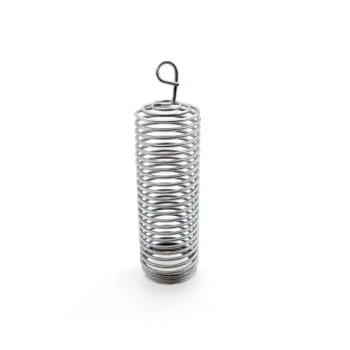
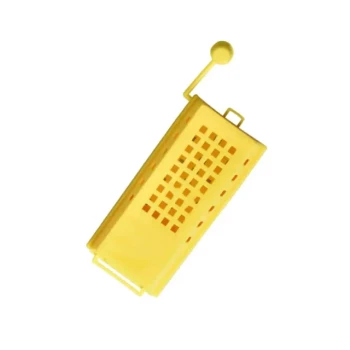
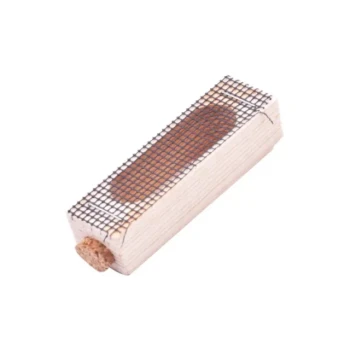
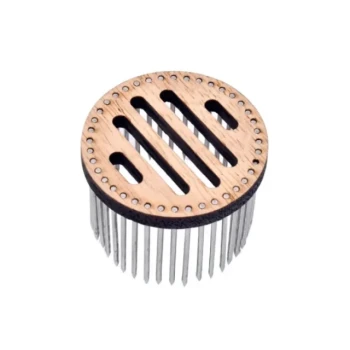
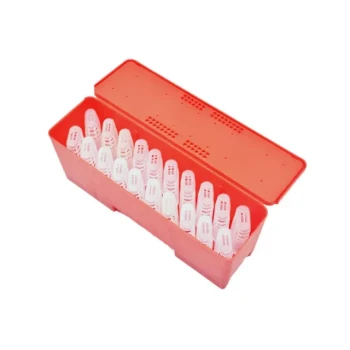
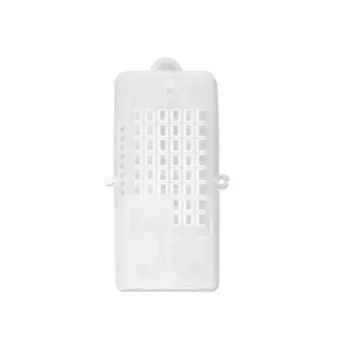
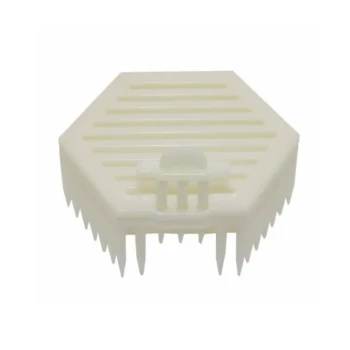
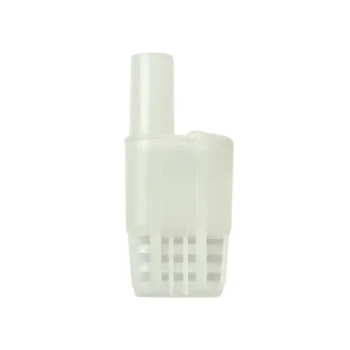
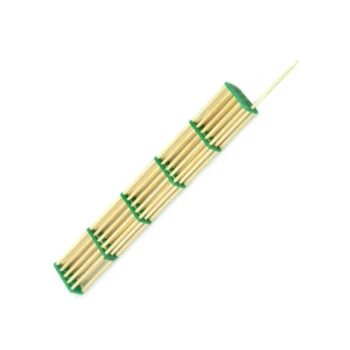
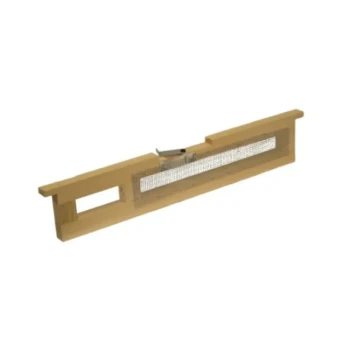
The primary role of the mailing cage is to provide a controlled micro-environment. Whether using wood Benton cages, screened cardboard, or plastic JZsBZs-style designs, the goal is identical: to protect the queen from physical crushing while maintaining a stable climate.
These containers feature specific mesh structures or ventilation slots. This ensures adequate air circulation to prevent suffocation without exposing the bees to harsh external elements.
The Role of Attendant Bees
The queen bee cannot survive long-distance transit alone; she requires a retinue of worker bees, known as attendant bees.
These workers are not passive passengers. They are responsible for maintaining the queen's physiological homeostasis. Their duties include cleaning the queen and, crucially, feeding her to ensure she retains her reproductive vitality upon arrival.
Nutritional Sustenance
To fuel both the attendants and the queen, specialized cages are designed with built-in candy troughs or reservoirs.
This provides a consistent energy supply throughout the journey. The attendants consume this feed and convert it into the nutrition required by the queen, ensuring the colony unit does not starve during international shipping.
Understanding the Biosecurity Trade-offs
The Risk of Biological Vectors
While essential for survival, the components of this transport system introduce significant risk. The primary reference highlights that the cages, the consumable food (candy), and the attendant bees themselves can act as biological vectors.
Pathogens such as viruses or Nosema can reside within the shipping materials or the gut biomes of the attendant bees. This turns the life-support system into a potential carrier for disease.
The Necessity of Quarantine Protocols
Because of the vector risk, global trade relies on strict pathogen testing and quarantine protocols.
These measures serve as the primary barrier against introducing exotic diseases into local ecosystems. When importing new genetic resources, the focus shifts from merely keeping the queen alive to ensuring she—and her transport container—are not Trojan horses for biological threats.
Making the Right Choice for Your Goal
To navigate the global trade of queen bees effectively, you must balance the logistics of survival with the imperatives of biosecurity.
- If your primary focus is Logistics and Survival: Prioritize cages with proven ventilation systems and sufficient candy reservoirs to support attendant bees in maintaining the queen's homeostasis.
- If your primary focus is Biosecurity and Import: Treat every component of the shipping unit—including attendants and food—as a potential vector and enforce rigorous pathogen testing before introduction.
Success in global queen transport lies in recognizing that the shipping cage is not just a package, but a biological ecosystem that requires both physical protection and strict sanitary regulation.
Summary Table:
| Component | Primary Role | Key Requirement |
|---|---|---|
| Mailing Cage | Provides a controlled micro-environment | High-quality ventilation and physical protection |
| Attendant Bees | Maintain queen's physiological homeostasis | Healthy worker bees for feeding and grooming |
| Candy Troughs | Continuous nutritional sustenance | Energy-dense feed (candy) for the entire journey |
| Quarantine Protocol | Mitigate biological vector risks | Rigorous testing for viruses and pathogens (e.g., Nosema) |
Secure Your Apiary’s Future with HONESTBEE
At HONESTBEE, we understand that global queen bee trade requires a perfect balance between survival and safety. As a dedicated partner to commercial apiaries and distributors, we provide more than just supplies—we provide peace of mind. Our comprehensive wholesale offering includes specialized beekeeping tools, hive-making machinery, and honey-filling equipment designed for professional scale.
From high-quality mailing cages to essential consumables, our portfolio is built to support the genetic integrity of your colonies. Whether you are scaling up production or looking for premium honey-themed cultural merchandise, we are here to help you succeed.
Ready to elevate your beekeeping operations? Contact us today to explore our wholesale solutions and see how we can streamline your supply chain!
References
- Robert Owen. Role of Human Action in the Spread of Honey Bee (Hymenoptera: Apidae) Pathogens. DOI: 10.1093/jee/tox075
This article is also based on technical information from HonestBee Knowledge Base .
Related Products
- Durable Galvanized Steel Spring Queen Bee Cage
- Professional Multi-Compartment Queen Cage with Sliding Lid
- Professional Queen Bee Introduction and Transport Cage
- Professional Queen Cage with Sliding Gate and Feeder Plug
- Durable Plastic Push In Queen Bee Cage
People Also Ask
- Why are specialized queen bee cages used for the banking of mated queen bees? Maximize Commercial Apiary Storage Efficiency
- What is the mechanism of action for using temporary queen bee cages? Master Successful Queen Introduction
- What is the step-by-step process for installing a queen bee's cage onto a frame? Ensure Hive Acceptance Safely
- What is the optimal placement for a queen bee cage? Essential Strategies for Successful Re-queening
- What are the advantages and disadvantages of introducing a queen bee by embedding the cage? Boost Your Queen Acceptance